

LiFePO4 Battery Supplier: When Reliability Matters More Than Just Capacity
Every product developer eventually encounters the same moment.
The device works perfectly in the lab. The specifications look great. But once the equipment begins running in real conditions—longer hours, higher loads, warmer temperatures—the battery suddenly becomes the weakest link. Unexpected shutdowns, shorter runtime, and inconsistent charging behavior start appearing.
This is the point where choosing the right LiFePO4 battery supplier stops being a purchasing decision and becomes an engineering one.
At eDailyMag, we have worked with many equipment manufacturers who faced exactly this challenge. By focusing on stable cell chemistry, precise pack design, and application-specific engineering, we help companies transform their power systems from a source of uncertainty into a foundation for reliable product performance.
The Materials Behind LiFePO4 Batteries: Stability by Design
Not all lithium batteries behave the same. The chemistry inside the cells determines how the battery responds to heat, charging cycles, and heavy loads.
LiFePO4—short for Lithium Iron Phosphate—has become widely recognized for its stability and safety characteristics. Compared with other lithium chemistries, LiFePO4 cells offer:
-
Higher thermal stability under demanding conditions
-
Longer cycle life, often exceeding 2000 charge cycles
-
Lower risk of thermal runaway
-
Consistent discharge voltage across most of the capacity range
Energy industry research continues to highlight these advantages. Reports from the International Energy Agency indicate that lithium iron phosphate batteries are increasingly used in energy storage systems and industrial equipment due to their durability and safety characteristics.
https://www.iea.org/reports/global-ev-outlook
But chemistry alone is not enough. The real performance of a battery system depends on how those cells are integrated into a complete battery pack.
Why Experienced Battery Engineering Makes the Difference
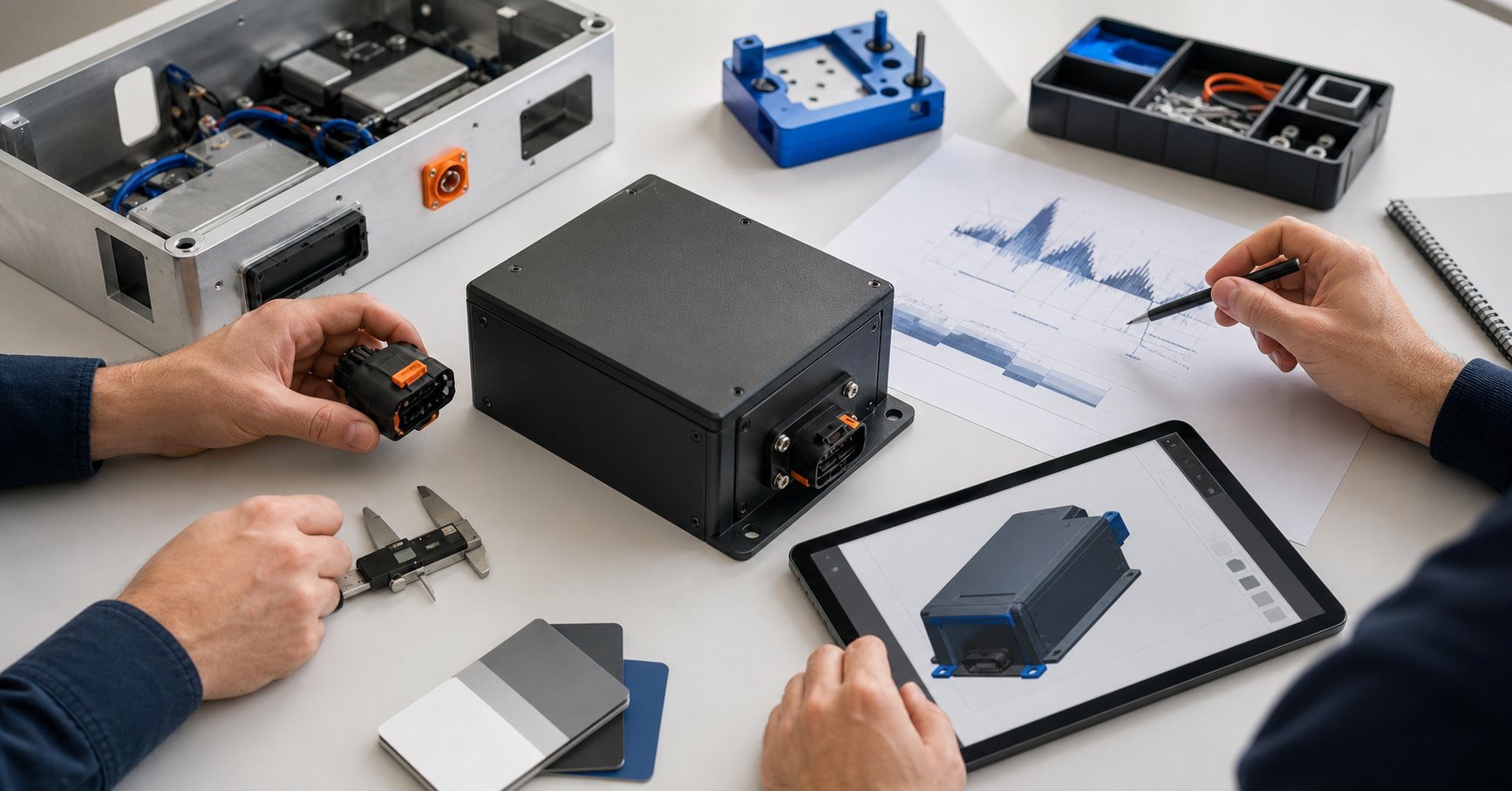
A reliable LiFePO4 battery supplier does more than assemble cells into a case. The real work lies in understanding how the battery will behave once it becomes part of a larger system.
At eDailyMag, our engineering approach typically includes:
-
Analyzing real load behavior
Devices rarely draw constant current. Start-up spikes and fluctuating loads must be accounted for. -
Optimizing series-parallel configuration
Proper configuration ensures balanced current distribution and stable voltage. -
Designing intelligent battery management systems
The BMS controls charging, protection, and temperature monitoring. -
Improving thermal structure inside the pack
Heat distribution plays a major role in battery longevity. -
Ensuring mechanical reliability
Internal structures must withstand vibration and long-term use.
These design considerations ensure the battery performs consistently throughout the product’s lifecycle.
A Real Example: When Battery Stability Changed Product Performance
One equipment manufacturer approached our team with a frustrating problem. Their portable industrial device had excellent functionality—but customers frequently reported sudden shutdowns after several months of use.
The device originally relied on a generic lithium battery pack sourced from multiple suppliers. On paper, the battery capacity met the device requirements. In reality, voltage dropped sharply during peak load periods.
Our engineers redesigned the power system using LiFePO4 cells configured for higher discharge stability. The pack structure was adjusted to improve internal resistance and heat dissipation, while the BMS thresholds were calibrated specifically for the device.
The result was immediate. Field tests showed significantly improved voltage stability, and customer complaints related to battery shutdowns dropped dramatically.
Sometimes the difference between a reliable product and a problematic one lies in a single component—the battery.
Comparing LiFePO4 Batteries With Conventional Lithium Packs
| Performance Factor | Conventional Lithium Battery | LiFePO4 Battery Pack |
|---|---|---|
| Cycle life | 500–800 cycles | 2000–4000 cycles |
| Thermal stability | Moderate | High |
| Safety characteristics | Standard protection needed | Intrinsically safer chemistry |
| Voltage consistency | Gradual drop | Stable discharge curve |
| Maintenance requirements | Moderate | Lower over long term |
These differences explain why LiFePO4 batteries are increasingly used in equipment where reliability and longevity matter more than maximum energy density.
Safety Standards and Certifications That Matter
When lithium batteries are integrated into commercial products, safety compliance becomes essential.
Reliable suppliers design their battery systems to meet industry safety expectations, including:
-
Overcharge and over-discharge protection
-
Short-circuit protection circuits
-
Temperature monitoring and thermal control
International organizations such as the International Electrotechnical Commission emphasize standardized safety practices for battery-powered devices used in global markets.
https://www.iec.ch
Many LiFePO4 battery packs also undergo certifications including:
-
UN38.3 transportation testing
-
CE or FCC compliance for electronic equipment
-
Material safety documentation (MSDS)
Meeting these requirements ensures safe operation as well as smooth global logistics.
Where LiFePO4 Batteries Deliver the Most Value
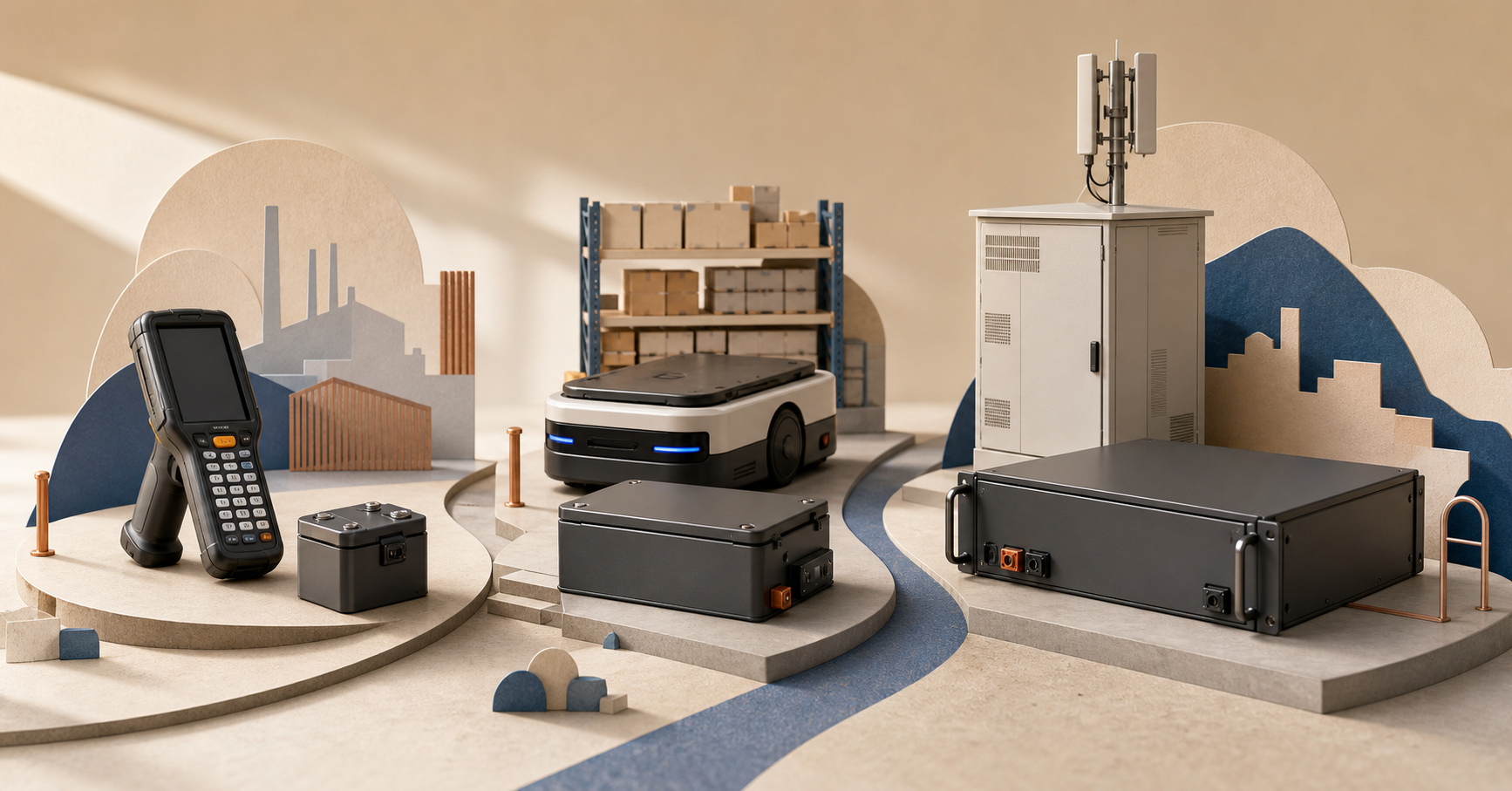
Because of their durability and stability, LiFePO4 batteries are widely used in applications where consistent power is essential.
Typical examples include:
-
industrial equipment and automation systems
-
energy storage systems
-
outdoor monitoring and security devices
-
electric mobility solutions
-
communication and IoT infrastructure
In each of these industries, long cycle life and stable performance help reduce maintenance costs and improve product reliability.
Frequently Asked Questions
Why choose LiFePO4 batteries instead of standard lithium batteries?
LiFePO4 batteries provide greater thermal stability and longer cycle life, making them ideal for equipment that requires consistent long-term operation.
How long do LiFePO4 batteries typically last?
Many LiFePO4 batteries can reach 2000 cycles or more when used under proper charging and operating conditions.
Can LiFePO4 batteries be customized for specific devices?
Yes. Battery capacity, configuration, connectors, and protection systems can all be customized to match equipment requirements.
Reliable Energy Begins With the Right Battery Partner
Behind every reliable device is a power system designed with care. A professional LiFePO4 battery supplier understands not only battery chemistry but also the engineering challenges of integrating power systems into real products.
At eDailyMag, we work closely with equipment manufacturers to design battery solutions that deliver stable performance, long service life, and flexible OEM customization.
To learn more about our lithium battery technology and manufacturing capabilities, visit our homepage:
https://www.edailymag.com/
If you are evaluating a battery solution for a new product or upgrading an existing power system, our engineering team would be glad to help you explore the best approach:
https://www.edailymag.com/contact-us
Because when a battery works exactly as it should, everything built on top of it works better too.