

Battery Pack Lithium Ion Design for OEM Systems Under Real Operating Conditions
In many OEM projects, battery failures rarely come from insufficient capacity on paper. Instead, issues emerge after deployment—voltage instability during peak load, shortened cycle life, or inconsistent performance between units. A battery pack lithium ion solution must therefore be evaluated as a system component, not just an energy source. Load profile, integration environment, and long-term degradation behavior all influence whether a battery pack remains stable throughout its service life. This article focuses on how practical design decisions directly affect reliability, cost control, and operational consistency.
Internal Cell Configuration and Mechanical Structure
The internal structure of a battery pack lithium ion system determines how evenly stress is distributed across cells during charge and discharge cycles. Poor cell matching or loose internal fixation often leads to uneven aging, where one weak cell limits the performance of the entire pack. In OEM environments, vibration, temperature fluctuation, and repeated partial discharge cycles further amplify these risks.
Key structural considerations include:
-
Matched cell grouping to minimize imbalance over time
-
Rigid internal brackets to prevent micro-movement and contact resistance growth
-
Insulated spacing to reduce localized heat accumulation
These design elements directly influence usable cycle life rather than nominal capacity alone.
Electrical Architecture and BMS Coordination
Electrical stability is often more critical than peak output. Many downstream control boards and sensors are sensitive to transient voltage drops rather than average voltage levels. A properly engineered battery pack lithium ion system prioritizes low-resistance current paths and coordinated BMS logic.
From a system perspective, effective coordination includes:
-
Current limit thresholds aligned with real startup loads
-
Short-duration peak tolerance without triggering false protection
-
Balanced charge control to prevent gradual divergence between cells
-
Communication interfaces compatible with host system diagnostics
When these elements are ignored, systems may experience unexplained resets or early capacity loss.
Performance Comparison Under OEM Load Profiles
The table below highlights practical performance differences observed under common OEM operating conditions.
| Evaluation Factor | Optimized Battery Pack Lithium Ion | Generic Battery Pack |
|---|---|---|
| Voltage stability under peak load | High consistency | Noticeable sag |
| Cycle life under partial discharge | 800–1200 cycles | 400–600 cycles |
| Cell imbalance risk | Low | Medium to high |
| Integration fault rate | Reduced | Higher |
| Long-term maintenance impact | Predictable | Unstable |
These differences directly translate into system uptime and post-deployment support costs.
Product-Focused Design Decisions That Reduce Risk
From a product standpoint, risk reduction comes from aligning the battery pack with actual usage rather than theoretical ratings. In practice, this means designing around real discharge curves, environmental exposure, and service expectations.
Common risk-mitigation practices include:
-
Selecting cells with stable internal resistance growth curves
-
Designing thermal paths for intermittent rather than continuous load
-
Validating BMS behavior under abnormal but realistic scenarios
-
Allowing structural tolerance for enclosure expansion and vibration
Such decisions often add minimal upfront cost while significantly improving field reliability.
Typical Application Scenarios and Usage Scope
Battery pack lithium ion solutions are widely used across OEM systems where reliability outweighs raw capacity. Common application scenarios include:
-
Portable industrial instruments with frequent startup cycles
-
Monitoring and sensing equipment operating in remote locations
-
Mobile electronic systems exposed to vibration and temperature shifts
-
Backup power modules requiring predictable discharge behavior
In these environments, system stability and repeatability are prioritized over maximum energy density.
FAQs
1. How is consistency maintained between different production batches?
Consistency is achieved through controlled cell sourcing, matching processes, and standardized BMS calibration profiles. Each pack follows identical assembly and validation procedures to reduce unit-to-unit deviation.
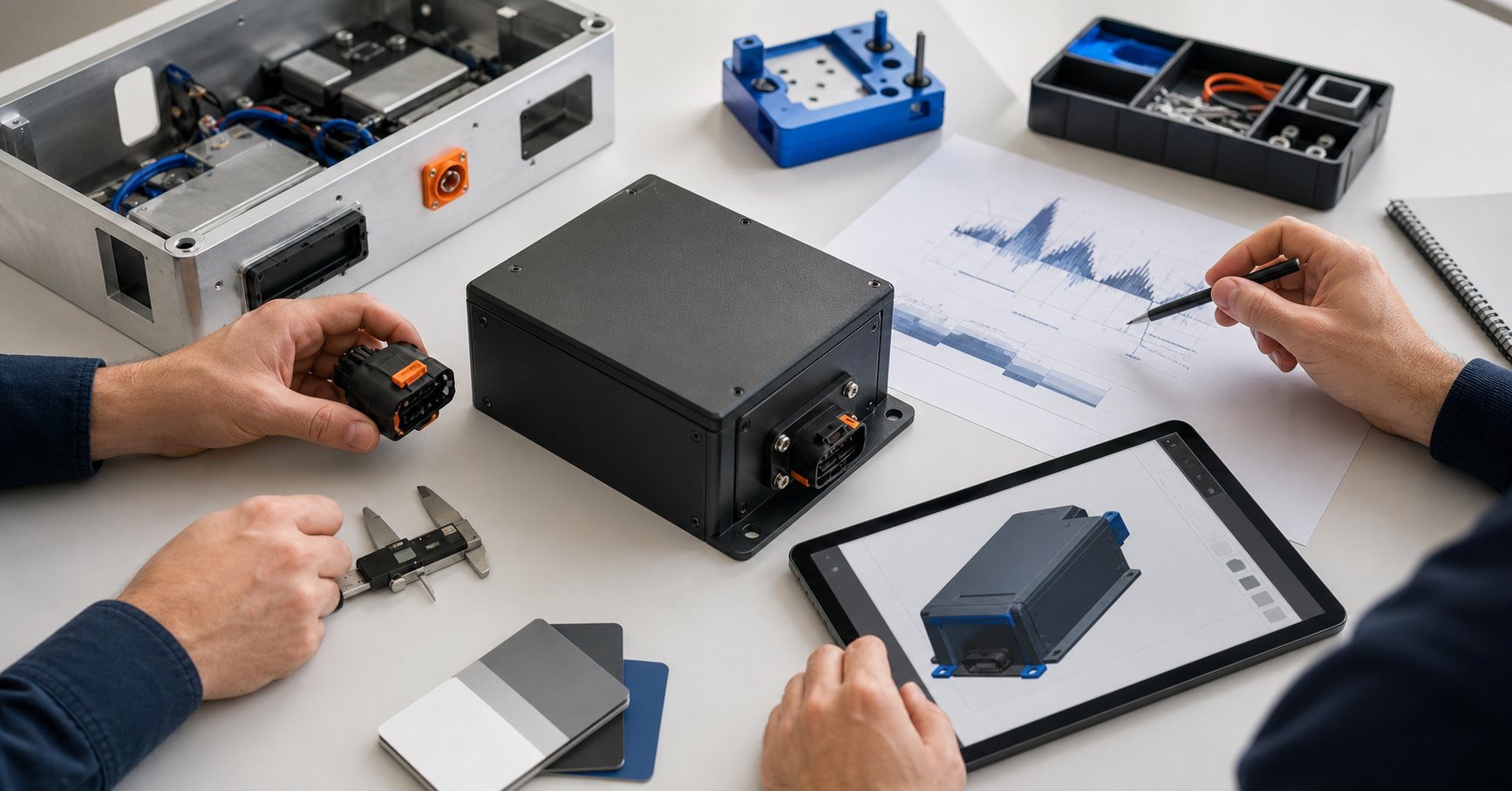
2. Can the battery pack be adapted to specific enclosure or connector requirements?
Yes. Mechanical dimensions, connectors, cable orientation, and communication interfaces can be adjusted to match system-level integration needs.
3. What factors most affect long-term reliability?
Cell matching quality, thermal management design, and BMS parameter accuracy are the three primary contributors to long-term performance stability.
Working With a Stable OEM Battery Partner
Beyond product design, long-term success depends on supply consistency and engineering support. eDailyMag focuses on delivering battery pack lithium ion solutions with controlled quality, predictable lead times, and engineering collaboration throughout the project lifecycle. From early specification review to integration support, our approach emphasizes system compatibility rather than isolated component delivery.
To explore compatible battery solutions and technical capabilities, visit our homepage:
https://www.edailymag.com/
If you are evaluating a specific project or need technical input for your system design, you can contact our engineering team directly here:
https://www.edailymag.com/contact-us