

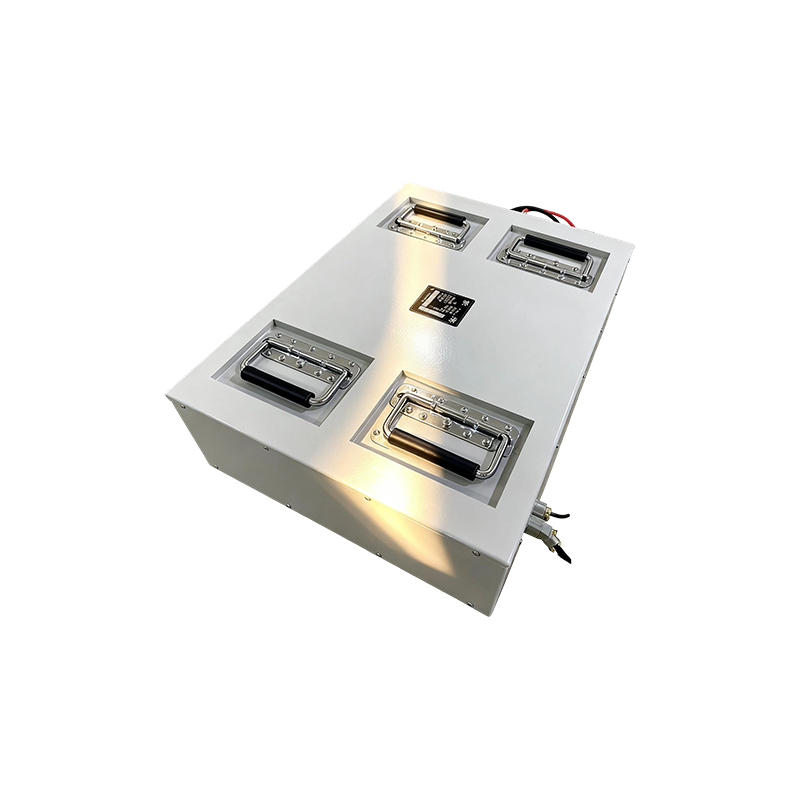
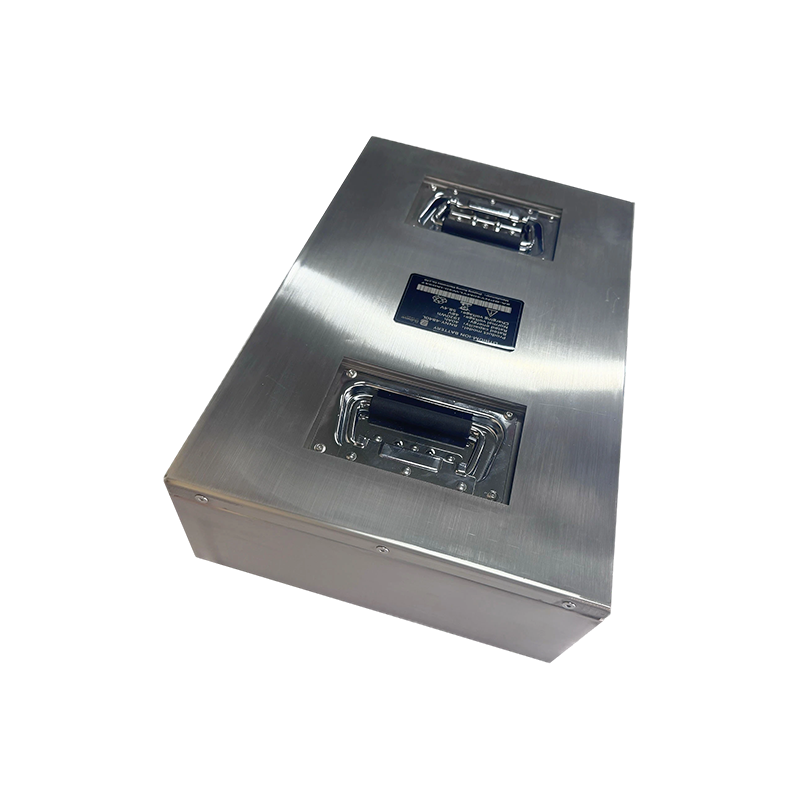
Many engineers, hobbyists, and even small OEM teams start with a diy lithium battery pack when testing new equipment or prototypes. The idea is simple: buy cells, connect them in series or parallel, add a BMS, and power the device.
However, once the system begins operating under real load conditions, problems often appear—voltage instability, overheating, inconsistent charging, or shortened cycle life. These issues are rarely caused by the cells themselves, but by improper matching between battery configuration and system requirements.
At eDailyMag, we frequently help customers move from early DIY prototypes to stable battery solutions. The key difference is applying engineering design to ensure the battery pack works reliably within the device environment.
Why Many DIY Battery Packs Work in Prototypes but Fail in Real Devices
A diy lithium battery pack can work for testing, but real systems require more careful design. Several factors explain why prototype packs sometimes fail during long-term operation.
Common challenges include:
-
Cell mismatch – different internal resistance between cells causes imbalance
-
Insufficient discharge capability – cells cannot sustain peak current
-
Voltage drop under load – device shuts down unexpectedly
-
Thermal buildup – poor airflow or layout increases heat
-
Charging inconsistencies – charger and BMS protection thresholds conflict
These issues become more visible as runtime increases or environmental conditions change.
For small projects the risk may be acceptable, but for commercial equipment reliability becomes critical.
Key Design Elements for a Stable Battery Pack
Whether building a diy lithium battery pack or designing a professional solution, several technical elements determine performance.
The most important design factors include:
-
Cell selection
High-drain devices require cells rated for ≥3C discharge. -
Series and parallel configuration
Determines voltage and capacity. Example:-
3S2P → ~11.1V system
-
4S2P → ~14.8V system
-
-
Battery management system (BMS)
Must provide protection against:-
overcharge
-
over-discharge
-
short circuit
-
overcurrent
-
-
Thermal design
Proper spacing and layout help prevent localized heat buildup. -
Connection reliability
Spot welding is generally safer than soldering for high-current packs.
Ignoring these details is the most common reason DIY packs perform inconsistently.
Typical Performance Comparison: DIY vs Engineered Battery Pack
| Parameter | Typical DIY Pack | Engineered Battery Pack |
|---|---|---|
| Voltage stability | 15–20% drop | <8% drop |
| Continuous current | 3–5A | 8–15A |
| Cycle life | 200–400 cycles | 600–1000 cycles |
| Thermal rise under load | +25°C | +10–15°C |
| Cell balance consistency | Moderate | High |
| System compatibility | Limited | Optimized |
These differences directly affect device stability, runtime reliability, and product lifespan.
When DIY Battery Packs Make Sense
Despite the challenges, a diy lithium battery pack can still be useful in certain scenarios.
Typical situations include:
-
early product prototyping
-
hobby electronics projects
-
robotics experimentation
-
low-power IoT development
In these environments flexibility and experimentation often matter more than long-term durability.
However, once devices enter commercial production or continuous operation, professionally designed battery packs usually become necessary.
Safety Considerations That Cannot Be Ignored
Lithium battery systems store large amounts of energy in compact form. Without proper protection, risks increase.
Critical safety considerations include:
-
balanced cell matching to prevent uneven charging
-
BMS protection circuits to stop overcurrent or short circuits
-
temperature monitoring during charging and discharge
-
certification compliance for transport and sale
Common certification standards include:
-
UN38.3 – transportation safety for lithium batteries
-
CE / FCC – electronic product compliance
-
MSDS documentation for material safety
These requirements become mandatory once products enter international markets.
Typical Applications Requiring Stable Lithium Battery Packs
Reliable battery packs are widely used across different equipment categories where stable DC power is essential.
Examples include:
-
outdoor monitoring devices
-
portable industrial tools
-
robotics systems
-
IoT communication equipment
-
backup power modules
In these environments, consistent output and thermal stability are often more important than maximum capacity.
FAQs
1. Is building a DIY lithium battery pack safe?
It can be safe if proper protection circuits and cell matching are used, but improper assembly increases risk.
2. What is the most common mistake in DIY battery packs?
Using cells with different internal resistance or capacity, which leads to imbalance and reduced lifespan.
3. When should I move from DIY to custom battery design?
Once a product enters production or requires reliable long-term operation, custom battery packs become the safer option.
From Prototype Packs to Reliable Power Solutions
A diy lithium battery pack is a valuable starting point during experimentation and early development. But as systems grow more complex and reliability becomes critical, engineered battery solutions help ensure consistent performance and safety.
At eDailyMag, we support customers with battery solutions designed for real-world applications, including optimized discharge capability, stable cycle performance, and flexible OEM customization.
You can learn more about our battery solutions on our official website:
https://www.edailymag.com/
If you are developing a product that requires stable power integration, our engineering team can help design the right battery solution for your project:
https://www.edailymag.com/contact-us
Reliable power design is not just about building a battery—it is about ensuring your entire system performs as expected.