

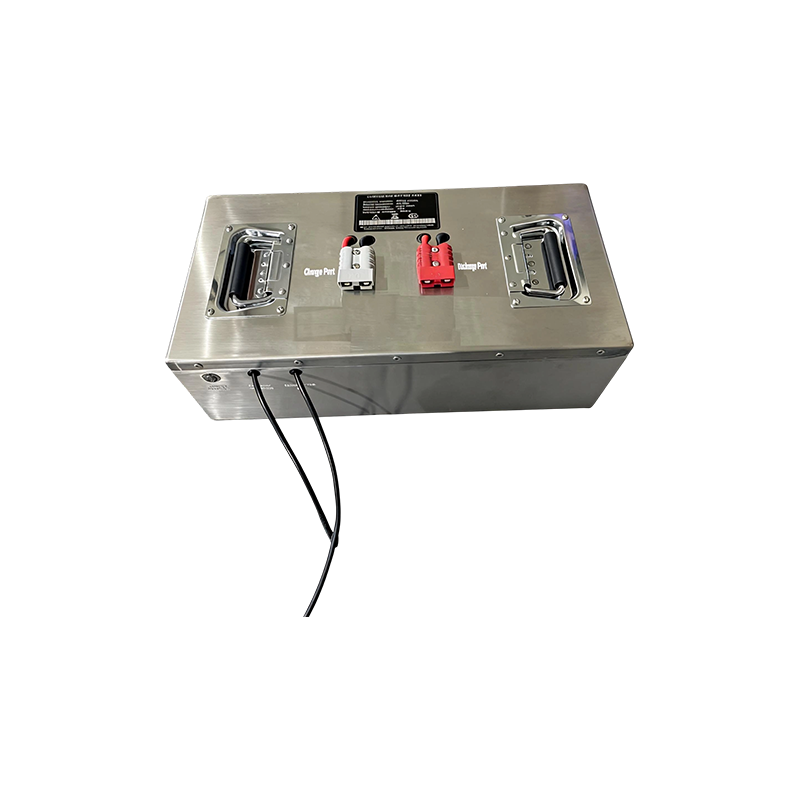
12 Volt Lithium Ion Battery Pack: The Perfect Match for Real-World System Demands
A project delay rarely starts with a “bad battery.
The real challenge is not finding a battery, but finding the perfect match
Where Most 12V Battery Integrations Fail
In practical projects, problems usually appear after integration, not during specification review. That’s because many key factors are overlooked:
-
Load mismatch: Device requires peak 10A, but battery supports only 5–6A continuous
-
Voltage instability: Drops below 10.5V under load, causing system reset
-
Thermal buildup: Poor cell configuration leads to overheating under continuous use
-
Charging inconsistency: BMS not aligned with charger protocol
-
Cycle degradation: Capacity drops below 80% after 300–400 cycles
These are not “battery defects”—they are matching failures between battery design and system behavior
A properly engineered 12 volt lithium ion battery pack must be evaluated against actual operating conditions, not just nominal specs.
The Perfect Match: Key Parameters That Define System Compatibility
To ensure a battery truly fits your application, five core parameters must align with your system:
-
Discharge Capability (Continuous & Peak Current)
Must match real load profile. For example, a device with 8A startup peaks requires ≥10A supported output. -
Voltage Stability Curve
A stable 12V system should maintain output between 12.6V– కాగా ~10.8V without sudden drops. -
Capacity vs Runtime Expectation
Example:-
6000mAh → ~2–3 hours (high load)
-
12000mAh → ~5–8 hours (moderate load)
-
-
Thermal Performance
Internal resistance and cell layout determine heat buildup. Poor design reduces lifespan and safety. -
BMS Protection Logic
Must include:-
Overcurrent protection
-
Overcharge / over-discharge cutoff
-
Temperature monitoring
-
Without these aligned, even a “high-spec” battery can underperform.
Practical Comparison: What a Well-Matched Battery Looks Like
| Parameter | Standard Pack | Optimized 12 Volt Lithium Ion Battery Pack |
|---|---|---|
| Continuous Discharge | 5A | 10A–15A stable |
| Peak Current | 8A | 15A–20A |
| Voltage Drop Under Load | 15–20% | <8% |
| Cycle Life (80% capacity) | 300–400 cycles | 600–800 cycles |
| Thermal Rise (1h load) | +25°C | +10–15°C |
| Charging Compatibility | Limited | Fully matched with charger system |
This difference directly impacts product reliability, warranty cost, and customer satisfaction.
How We Build a “Perfect Match” Battery Pack (Engineering Approach)
Instead of offering generic packs, a proper manufacturing approach focuses on matching:
-
Cell selection based on discharge rate (e.g., 18650 / 21700 high-rate cells)
-
Series-parallel configuration optimized for current + capacity balance
-
Custom BMS tuning based on device load profile
-
Connector & interface compatibility (DC, XT, custom harness)
-
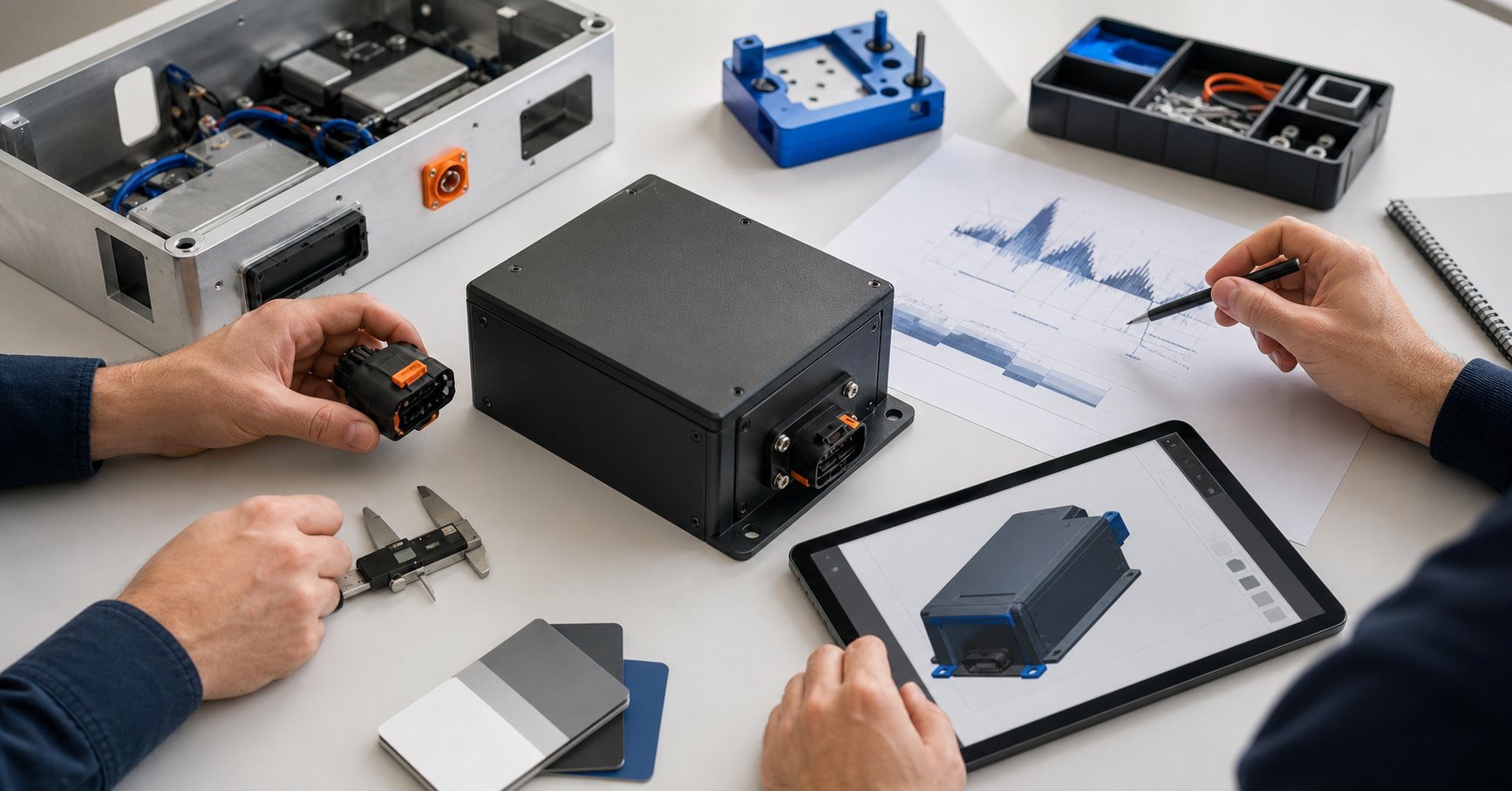
Enclosure design for thermal and space constraints
For example, in outdoor device projects, we often adjust:
-
Lower standby consumption
-
Higher peak discharge support
-
Improved sealing for humidity
This is how a battery becomes part of the system—not just a component.
Where 12V Lithium Battery Packs Actually Perform Best
A properly matched 12 volt lithium ion battery pack is
-
Outdoor equipment (cameras, sensors) → long runtime + low power consumption
-
Portable industrial tools → high discharge + durability
-
Medical devices → voltage stability + safety
-
Backup power systems → consistent output under intermittent loads
-
Embedded electronics / IoT systems → compact size + efficiency
In each case, the “perfect match” comes from aligning battery performance with real operating conditions, not theoretical specs.
FAQs
1. How do I know if a 12V battery pack can handle my device load?
Check both continuous and peak current requirements. Your battery should support at least 20–30% higher than peak demand to ensure stability.
2. Is higher capacity always better?
Not necessarily. Higher capacity increases size and cost. The goal is to match runtime requirements, not overspec blindly.
3. What is the ideal cycle life for OEM applications?
For most commercial use, 600+ cycles (80% capacity retention) is a practical benchmark for reliability and cost balance.
Choosing the Right Partner for Reliable Battery Integration
A battery pack is not just a power source—it directly affects your product’s performance, safety, and long-term cost. Choosing the right supplier means choosing a partner who understands system integration, not just battery assembly.
At eDailyMag, we focus on delivering battery solutions that match real application demands
-
Customized
-
Stable discharge and long cycle performance
-
Flexible OEM/ODM support
-
Strict quality control and
If you are working on a project that requires reliable power integration, you can explore more on our official website or reach out through our contact page to discuss your specific requirements:
https://www.edailymag.com/
https://www.edailymag.com/contact-us
A well-matched battery doesn’t just power your product—it protects your entire project timeline and cost structure.