

12V Lithium Ion Battery Pack for Industrial and OEM Power Systems
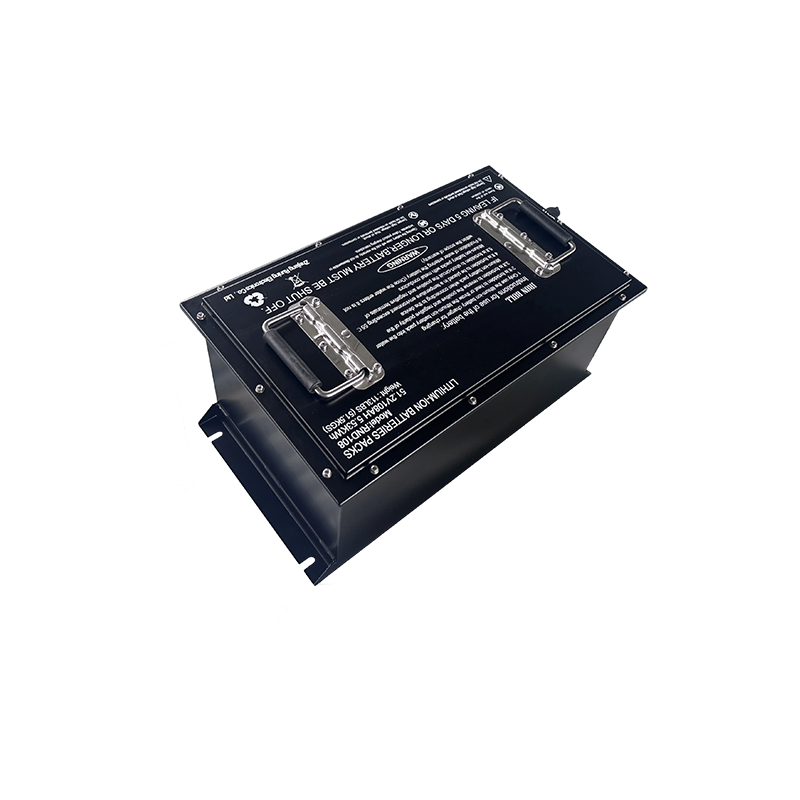
A 12v lithium ion battery pack is not simply a higher-voltage version of consumer batteries. In industrial equipment, backup systems, mobility devices, and embedded electronics, it serves as a core power module whose behavior directly affects system stability, component lifespan, and field reliability.
In real deployments, battery-related problems rarely appear as complete failure. Instead, they manifest as unstable voltage during startup, unexplained resets, shortened runtime, or accelerated capacity fade. These issues are almost always rooted in battery architecture, protection strategy, and integration choices, not headline capacity figures.
Electrical Architecture and Series Configuration Strategy
A stable 12V output typically relies on multi-cell series configurations, most commonly 3S (11.1V nominal) or 4S (14.8V nominal), depending on system requirements.
Well-designed battery packs focus on:
-
Tight voltage alignment with downstream DC-DC converters
-
Balanced series strings to prevent cell over-stress
-
Low-resistance current paths to minimize voltage sag under load
Rather than targeting peak voltage, OEM-grade designs prioritize usable voltage stability across the operating range, which is critical for controllers, motors, and communication modules.
Cell Selection, Matching, and Internal Layout
Cell selection determines not only capacity but long-term consistency. Two battery packs with the same rating can perform very differently in the field.
Production-oriented designs emphasize:
-
Cell matching based on impedance and internal resistance deviation
-
Parallel grouping to distribute peak current demand evenly
-
Mechanical fixation to prevent vibration-induced degradation
Without proper matching, one weak cell often limits the entire pack, accelerating aging and reducing effective runtime.
Battery Management System (BMS) and Protection Logic
The BMS defines how safely and predictably the pack operates in real conditions.
A properly tuned 12V lithium ion battery pack typically integrates:
-
Over-current protection calibrated for motor startup and inrush loads
-
Over-discharge thresholds adapted for long idle periods
-
Over-temperature monitoring positioned near the cell core
Excessively conservative BMS settings cause nuisance shutdowns, while insufficient protection shortens cycle life. Balanced calibration is essential.
Thermal Behavior and Long-Term Reliability
Thermal stress is one of the most underestimated drivers of battery degradation. In 12V systems powering motors, pumps, or control units, heat accumulation is often uneven and cumulative.
Effective mitigation strategies include:
-
Internal layouts that promote even heat distribution
-
Use of thermally stable insulation materials
-
Controlled discharge behavior under continuous load
The objective is predictable thermal behavior, which directly translates into longer service life and reduced maintenance cost.
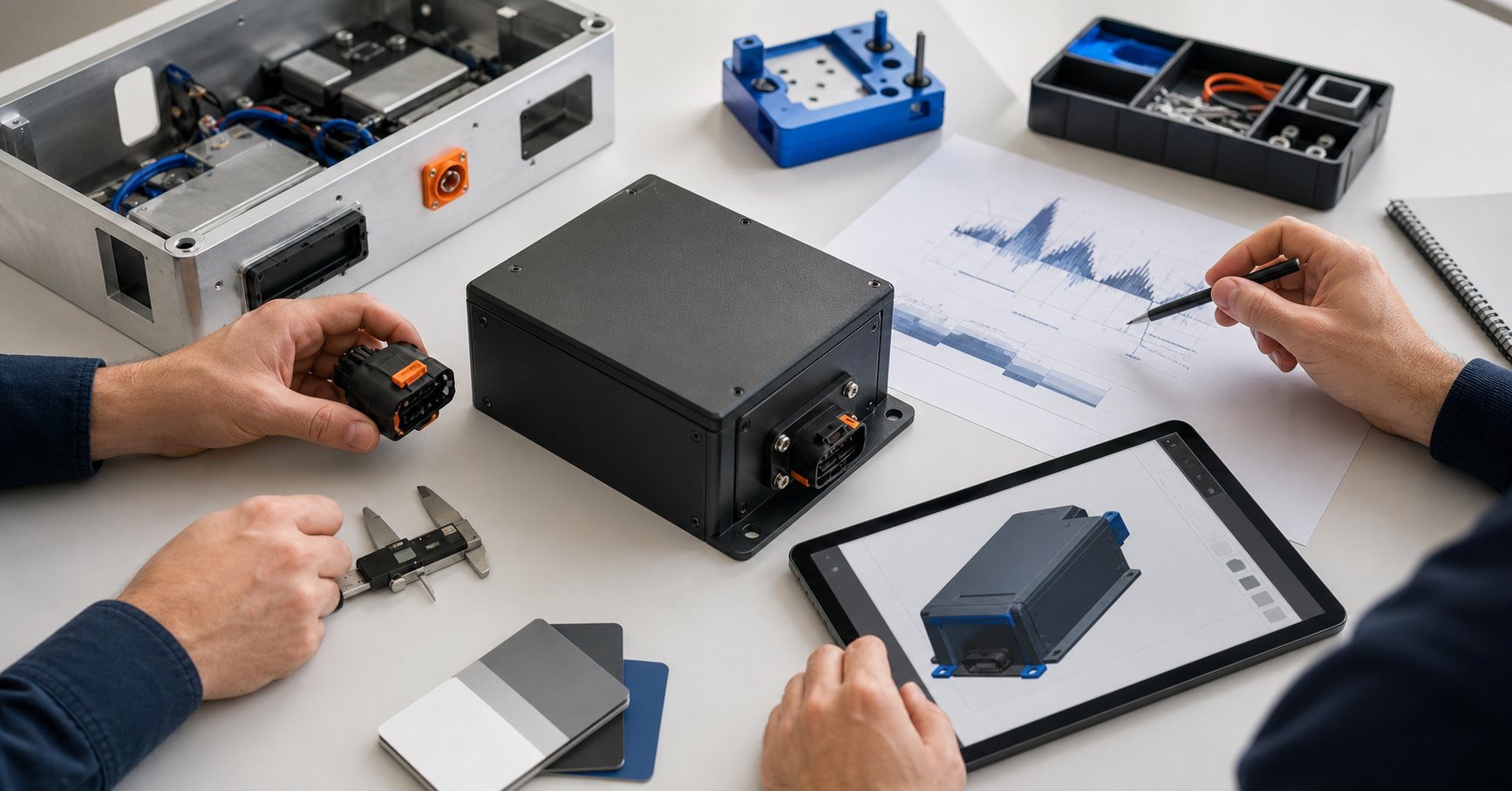
Interface Design and System Integration
Mechanical and electrical interfaces play a critical role in deployment reliability.
OEM-oriented packs often provide:
-
Custom connector options matched to system wiring
-
Reinforced terminals for vibration resistance
-
Enclosures designed for mounting within confined equipment spaces
These details reduce installation errors and improve long-term stability in field applications.
Typical Parameters for 12V Lithium Ion Battery Packs
| Parameter | Typical Range | Practical Impact |
|---|---|---|
| Nominal Voltage | 11.1–14.8V | System compatibility |
| Capacity | 2Ah–20Ah | Runtime flexibility |
| Configuration | 3S / 4S | Voltage stability |
| Continuous Discharge | 5A–30A | Load handling |
| Cycle Life | 500–800 cycles | Lifetime cost control |
These values reflect production-aligned targets, not laboratory extremes.
Key Product Considerations and Our Strengths
In many OEM and industrial projects, problems related to battery performance rarely appear at the design stage, but instead emerge after deployment as unstable voltage, shortened runtime, or unexpected shutdowns. These issues are usually not caused by insufficient capacity, but by mismatches between the battery pack design and real operating conditions. When evaluating a 12V lithium ion battery pack, several product-level factors deserve close attention:
-
Whether the continuous and peak discharge capability truly matches the actual load profile of the equipment, especially during startup or transient current demand.
-
How the BMS protection logic is configured, as overly conservative settings designed for consumer electronics often lead to nuisance shutdowns in industrial systems.
-
The mechanical robustness of the battery pack, including enclosure strength, terminal stability, and internal fixation for long-term vibration or repeated maintenance.
-
Thermal behavior under sustained or enclosed operation, since uneven heat distribution accelerates cell aging and capacity loss.
eDailyMag addresses these points by focusing on cell consistency rather than headline capacity, impedance-based cell matching, and BMS calibration based on real industrial load scenarios. Combined with reinforced structural design and controlled batch consistency, our battery packs are built to deliver predictable, long-term performance in OEM systems.
Typical Applications and Use Scenarios
12V lithium ion battery packs are widely adopted across multiple equipment categories where stable DC power and low maintenance are required. Common use scenarios include:
-
Industrial control and automation equipment such as PLC systems, control cabinets, and actuator modules.
-
Communication and monitoring systems, including remote data collection units, wireless terminals, and surveillance devices.
-
Portable or mobile industrial equipment, such as inspection tools, diagnostic instruments, and field-testing devices.
-
Backup and emergency power systems, including small UPS units, alarm systems, and emergency lighting.
-
Customized OEM equipment, including medical devices, intelligent terminals, and dedicated control systems requiring compact, reliable power modules.
Common Buyer Questions
Q1: Can a 12V lithium ion battery pack directly replace lead-acid batteries?
In many systems yes, provided voltage range and charging logic are compatible.
Q2: What determines long-term reliability?
Cell consistency, BMS calibration, and thermal management have greater impact than nominal capacity.
Q3: Is customization possible without redesigning the core electronics?
Most OEM customization focuses on mechanical and interface elements while retaining proven electrical architecture.
Why Choose eDailyMag for 12V Battery Solutions
eDailyMag supplies application-matched lithium battery solutions for industrial and OEM systems. We focus on stability, consistency, and integration reliability rather than generic specifications.
Our advantages include:
-
Carefully selected lithium-ion cells with controlled impedance ranges
-
BMS calibration matched to real-world load profiles
-
OEM-friendly production with traceable quality control
You can review available battery solutions at
👉 https://www.edailymag.com/
For project discussions, compatibility verification, or volume planning, contact our team at
👉 https://www.edailymag.com/contact-us