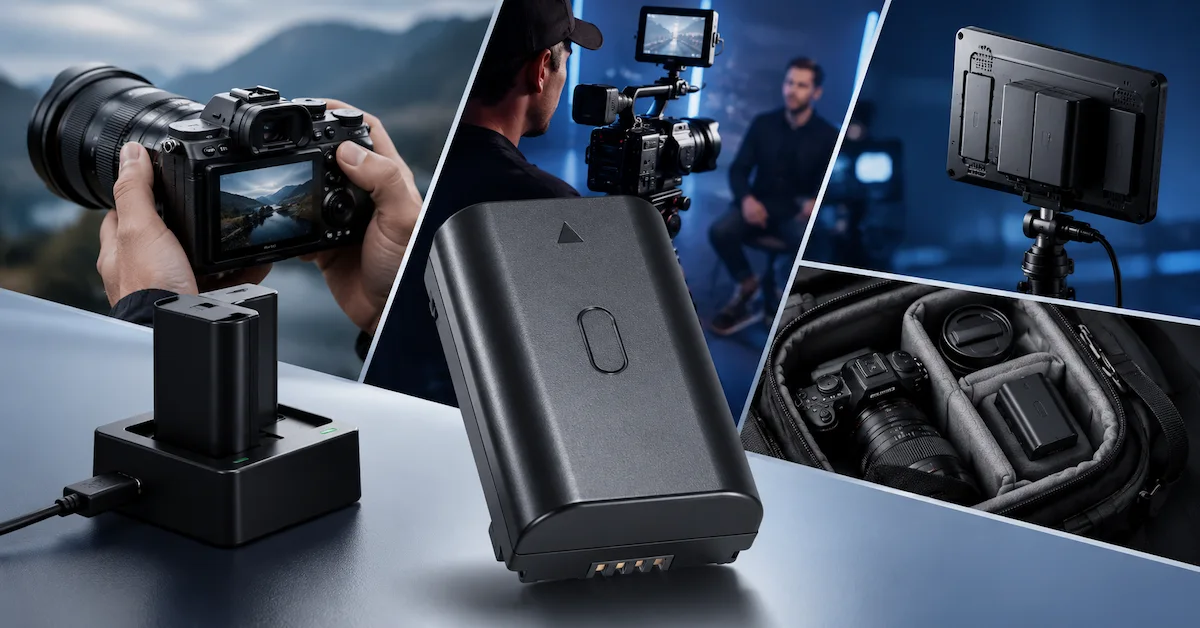
Sony のドキュメントでは、InfoLITHIUM を、互換性のある電子機器とバッテリー消費データを交換できるリチウムイオン バッテリー システムとして説明しています。 Sony は、InfoLITHIUM ドキュメントに NP-FZ100、NP-FV100A、NP-FV70A、NP-FV50A、NP-FW50、NP-F970、NP-FM500H などのモデルをリストしています。
Sony のドキュメントでは、互換性のある充電機器との使用を繰り返し強調しています。たとえば、ソニーの NP-FZ100 サポート資料では互換性のある充電ソリューションが特定されていますが、一般的なサポート ドキュメントでは、バッテリーと充電器の間違った組み合わせや接触不良が充電の問題を引き起こす可能性があると記載されています。
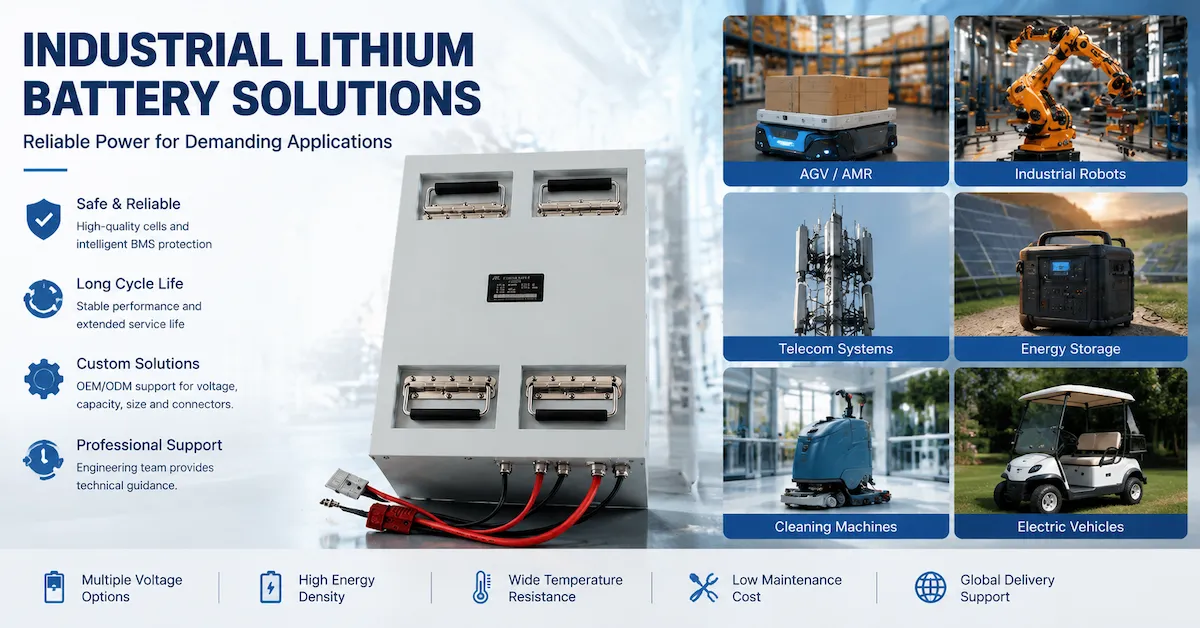
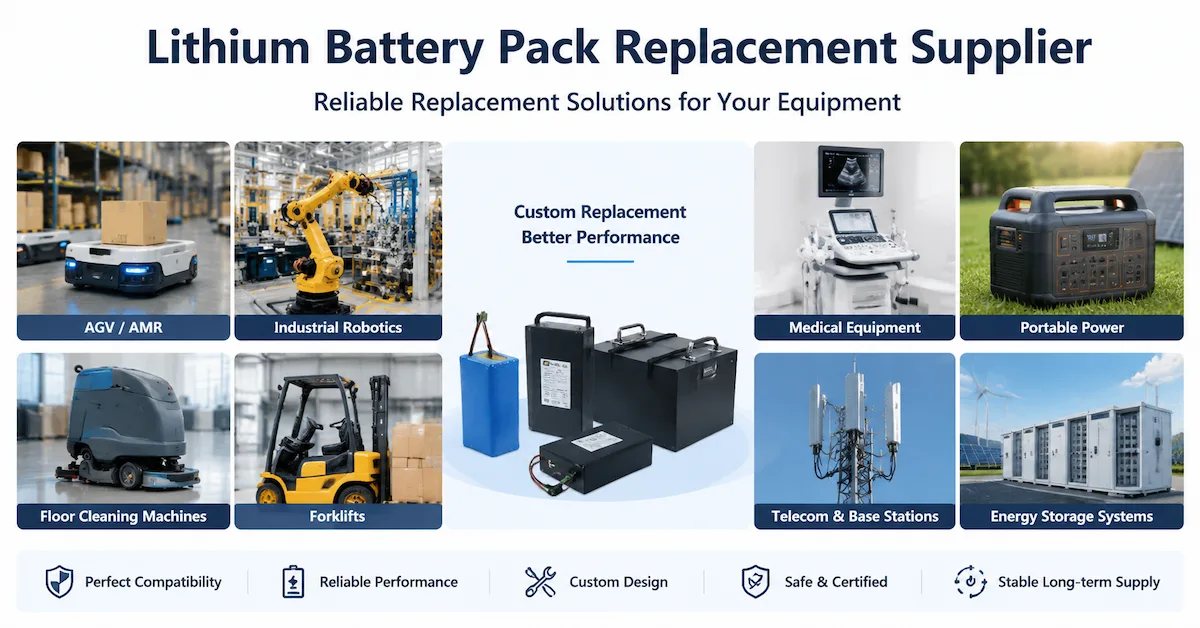
For custom development, Dailymag describes support covering product design, sampling, R&D, quality management, packaging, transportation, logistics, and after-sales service. Buyers planning a replacement battery can review its OEM lithium battery pack services before preparing the project specification.
Shipping and Compliance Requirements
Rechargeable lithium-ion batteries are regulated during transport.
IATA's current battery guidance states that lithium batteries are treated as dangerous goods because of hazards associated with thermal runaway. Air transport requirements depend on battery configuration, Watt-hour rating, packaging, marking, labeling, and other conditions.
IATA also notes that lithium cell and battery types are subject to the test requirements referenced in UN Manual of Tests and Criteria, Part III, subsection 38.3.
Buyers should therefore confirm project-specific requirements rather than assuming that one certificate or shipping method applies to every battery configuration.
What Creates Risk in a Low-Cost Replacement Battery?
Purchase price is only one part of battery cost.
A cheaper pack can create higher total cost if it causes:
Short runtime
charger incompatibility
incorrect remaining-capacity display
high return rates
terminal wear
inconsistent capacity
enclosure fit problems
field shutdowns
shipping delays
trademark or labeling disputes
For distributors and private-label brands, these failures affect not only warranty cost but also product reviews, reseller relationships, and inventory.
A better supplier comparison should therefore examine:
unit price + validation cost + failure risk + documentation + consistency + after-sales support
rather than comparing quotations only on price per battery.
OEM Customization Options for Sony-Compatible Battery Projects
A custom replacement project may involve several levels of development.
Level 1: Label and Packaging Customization
Suitable when a validated compatible battery platform already exists.
Possible scope:
Brand label
Barcode
Color packaging
Instruction sheet
Outer carton
Distributor packaging
Level 2: Electrical Specification Adjustment
May involve changes to:
Capacity
cells
current capability
protection circuit
charging behavior
Any change should be revalidated against the target device.
Level 3: Mechanical Customization
Possible requirements include:
Housing modification
terminal position
mounting interface
latch system
enclosure tooling
Level 4: Full Custom Battery Development
For equipment manufacturers using a Sony-type battery format as part of a new product architecture, development may include the cells, electrical system, mechanical enclosure, connectors, communication, charger matching, samples, testing, and production validation.
Dailymag's broader custom lithium battery pack selection checklist explains why load profile, dimensions, BMS requirements, validation, and compliance should be documented before requesting a quotation.
A Practical RFQ Checklist for B2B Buyers
Before contacting a rechargeable battery manufacturer, prepare as many of the following items as possible:
RFQ information
Example
Original battery reference
NP-FZ100 / NP-F970 / other
Equipment model
Camera, monitor, light or custom device
Nominal voltage
From original specification
Required energy
Wh
Capacity target
mAh or Ah
Average load
W or A
Peak load
A and duration
Charger
Model and charging method
Communication
Required / not required / unknown
Battery dimensions
L × W × H
Terminal layout
Drawing or sample
Environment
Indoor, outdoor, low temperature, etc.
Validation
Runtime, electrical, fit, communication
Branding
OEM/private label
Quantity
Prototype + annual forecast
Target market
Destination countries
Documentation
Project-specific requirements
If some information is unknown, supplying an original sample together with the equipment model can significantly improve technical evaluation.
Dailymag states that its workflow includes consultation, quotation, sample development, order placement, and delivery. Its website lists approximately 15–30 business days for standard customization and 45–60 business days for more complex R&D/testing projects, subject to the actual project.
When Should You Use an Original Battery Instead of an OEM Replacement?
An original Sony battery may be the better choice when:
Official manufacturer support is required
Warranty policy requires genuine accessories
Very small quantities are needed
Compatibility risk cannot be validated
The equipment includes proprietary behavior that cannot be reliably reproduced
The buyer does not need private labeling or volume sourcing
A compatible OEM project makes more commercial sense when:
The buyer manages significant volume
A discontinued or difficult-to-source battery must be replaced
Private branding is required
Supply continuity is important
Capacity or mechanical changes are needed
The battery is being integrated into another professional product
The buyer can perform proper validation
The decision should be based on application risk and commercial requirements, not simply on the lowest unit price.
How Dailymag Supports Custom Rechargeable Lithium-Ion Battery Projects
Dailymag Energy positions its battery business around customized lithium-ion battery pack matching for industrial and professional applications and lists design, sample development, R&D, quality management, packaging, transportation, logistics, and after-sales support among its services.
For a Sony-compatible battery project, the appropriate workflow is to begin with the original battery/equipment specification and then evaluate whether a standard compatible design or a new custom battery is required.
Dailymag should not be interpreted as Sony or as claiming authorization from Sony. Sony and InfoLITHIUM are trademarks associated with Sony Group Corporation. Sony's own documentation identifies InfoLITHIUM as its trademark.
FAQ
What is a Sony rechargeable lithium ion battery pack?
It is a rechargeable lithium-ion battery pack designed by Sony for compatible cameras, camcorders, professional imaging equipment, or accessories. Sony currently offers multiple battery families with different voltage, capacity, physical format, and communication characteristics.
Can I replace a Sony battery with a third-party lithium-ion battery?
A compatible third-party battery may be possible for some equipment, but voltage, energy, mechanical interface, charging method, communication, and device behavior should all be verified. Sony states that it does not support third-party batteries and also publishes warnings concerning counterfeit batteries.
What does InfoLITHIUM mean?
Sony defines InfoLITHIUM as a lithium-ion battery system capable of exchanging battery-consumption information with compatible electronic equipment.
Is a higher-mAh battery always better?
No. Buyers should compare Wh, voltage, load capability, mechanical size, communication, charger compatibility, and actual runtime. Higher advertised mAh does not automatically mean the battery is suitable for a specific device.
How can I estimate battery runtime?
A useful first estimate is usable battery energy in Wh divided by average equipment power in watts. Actual runtime will vary with operating mode, accessories, temperature, battery condition, conversion losses, and cutoff behavior.
What information is required for a custom Sony-compatible battery quotation?
Provide the original battery model, equipment model, voltage, desired capacity or runtime, load, charger, dimensions, terminal layout, communication requirements, environment, quantity, branding requirements, and target market.
Can the battery housing and packaging be customized?
For an independent OEM project, housing, labels, packaging, and other elements may be customizable depending on tooling and project requirements. Dailymag lists product design, sampling, packaging, and custom lithium-ion battery matching among its services.
Can a third-party battery use the Sony logo?
A non-Sony product should not be represented as an original Sony battery. Sony has specifically warned buyers about counterfeit rechargeable battery packs carrying Sony branding. Independent suppliers should use their own branding and accurate compatibility statements.
What certifications or transport documents are required?
Requirements depend on the battery configuration, destination market, transport mode, and customer specification. Lithium batteries shipped by air are subject to applicable dangerous-goods requirements, and IATA provides current guidance on classification, packaging, labeling, documentation, and transport.
How long does a custom battery project take?
Dailymag currently states approximately 15–30 business days for standard customization and 45–60 business days for more complex R&D/testing projects. Actual timing depends on electrical design, tooling, samples, validation, quantity, and project-specific requirements. Buyers can contact Dailymag Energy with the original battery specification and equipment information for project evaluation.
Conclusion
Choosing a sony rechargeable lithium ion battery pack for professional sourcing requires more than matching the original model number or finding the largest advertised capacity.
A reliable purchasing decision should verify voltage, Wh capacity, current demand, runtime, charger compatibility, physical interface, communication behavior, operating environment, validation requirements, and product identity before mass production.
For buyers sourcing an independent replacement, the distinction between an original Sony battery and a clearly branded Sony-compatible battery is equally important. Sony's own counterfeit warnings make transparent branding and proper validation essential parts of responsible sourcing.
If your project requires a replacement or custom rechargeable battery rather than a standard retail accessory, prepare the original battery model, equipment information, expected runtime, charger, dimensions, communication requirements, and forecast quantity. You can then contact Dailymag Energy to evaluate a suitable OEM lithium battery solution based on the actual application rather than capacity alone.