

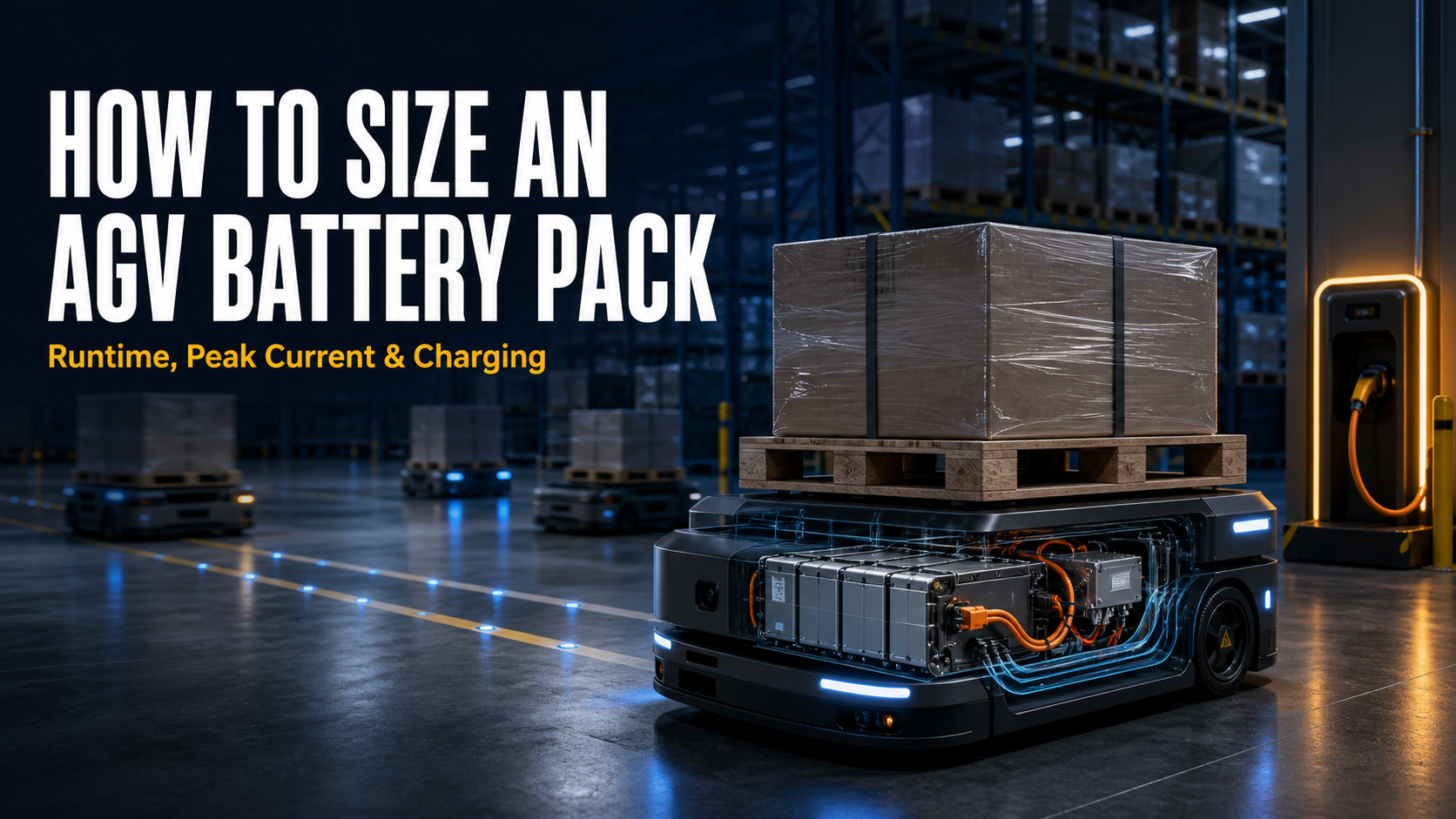
The fastest battery inquiry is often the one that needs the most work later, especially when a buyer is choosing a custom lithium battery pack manufacturer for a machine that has already been designed. The email may be one sentence: "We need 48V, around 40Ah. Can you quote?" That is a normal first move. For an OEM machine, though, the sentence is closer to a sketch than a specification.
A battery does not live by itself. It has to survive motor starts, charger habits, heat, vibration, operator habits, packaging rules, and the mood of the controller it is wired into. Sometimes the BMS has to answer the machine in a very particular way. So the job is closer to equipment work than catalog shopping, even when the request looks simple.
At Dailymag, the first useful conversation usually sounds a little plain. We ask what the equipment does. We ask where the pack has to fit. We ask whether the old charger must stay. We ask what happens during peak current, not only during normal running. These questions slow the first email down, but they can save a sample from being wrong.
The quote is only as good as the story behind the machine
Voltage and capacity are necessary, of course. They are not enough. A 48V pack used in a floor cleaning machine may need a different current rating from a 48V pack used in a small AGV. A backup power module may spend most of its life waiting. A lifting cart may ask for a short heavy pull and then settle down. If those working habits are not explained, the quotation has to make assumptions.
This is the part buyers sometimes underestimate. A supplier can build a pack that matches the words "48V 40Ah" and still miss the job. The cable may leave the wrong side. The BMS may protect too early. The charger may not wake the pack after a fault. The enclosure may trap heat. None of those issues are visible in the battery name.
Dailymag's product pages, including 48V 40Ah, 51.2V 108Ah, and 48V 200Ah, are good places to get a feel for the range. Use them as starting points. The final pack still needs to be checked against the real equipment.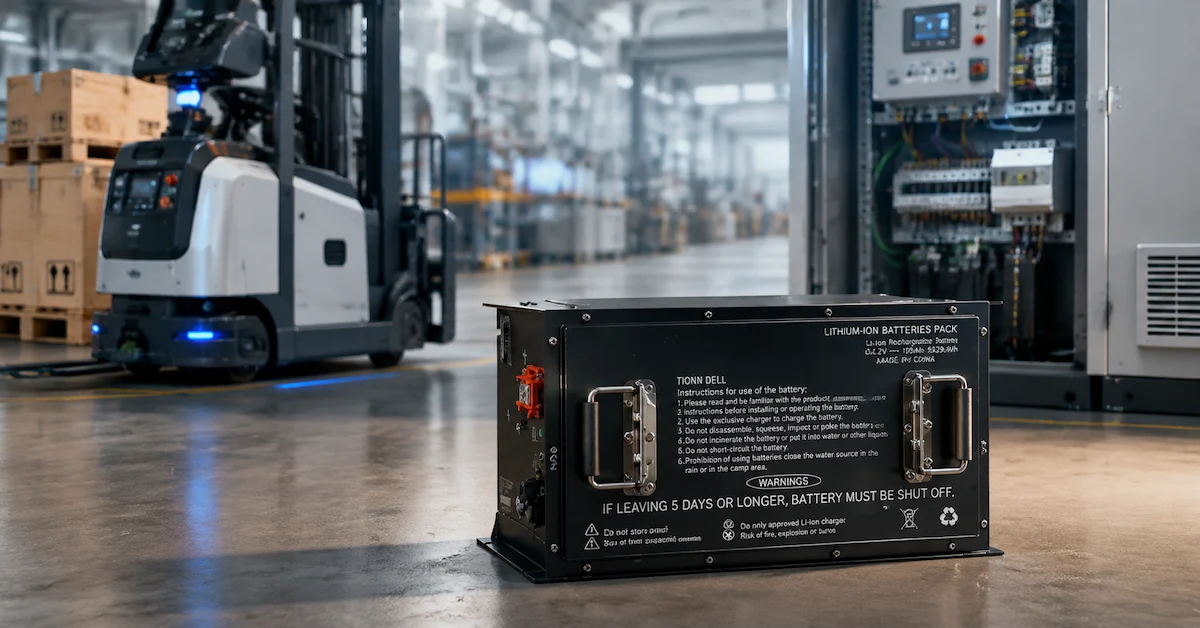
What I would send before asking for a serious battery quote
If I were preparing an RFQ, I would not try to make it beautiful. I would make it useful. A few photos, a rough drawing, and honest notes about unknown details are better than a polished message with no technical meat.
Start with the machine. Say whether it is an AGV, AMR, cleaning machine, medical cart, backup system, golf cart, energy storage module, or another product. Then give the target voltage and capacity. If there is an old battery, take a clear photo of the label. If there is a battery compartment, take a photo of that too. Include a ruler or dimensions if possible. A small detail in a photo can prevent a cable or connector mistake later.
The next piece is current. Many buyers know the voltage but do not know the load curve. That is fine at the beginning, but even a rough description helps. "Two motors, startup surge for about three seconds, six hours of use per shift" tells a manufacturer much more than "good quality battery." If you have continuous current and peak current, send both. If you do not, describe the equipment behavior in normal words.
Charger information matters more than people expect. If the old charger must be reused, Dailymag needs the charger label, output voltage, charging current, connector, and any communication requirement. A lithium replacement project can fail simply because the charger and BMS do not agree with each other.
BMS behavior should be discussed before the sample is built
The BMS is one of the least visible parts of a battery pack, and one of the easiest to regret later. In simple equipment, it may only need to protect the cells and keep the pack safe. On smarter equipment the list grows quickly: CAN or RS485, maybe UART, maybe Bluetooth, maybe a display, plus the small signals that tell the charger and controller what is allowed.
I like one plain question here: after a protection event, what should the operator see? Should the charger wake the pack? Should anyone press a reset button? Should the controller show an alarm, or should the machine quietly recover? These questions are not elegant, but field service people care about them. A battery that shuts down safely is good. A battery that recovers in a way the machine understands is better.
LiFePO4 is popular, but the application still gets the vote
For many industrial projects, LiFePO4 is an easy chemistry to consider first. It has a strong reputation for cycle life and thermal stability, and it fits many daily-use machines well. That does not make it the answer to every project. NMC may be worth discussing if space and weight are tight. A lead-acid replacement may need its own review because the old system was designed around a very different battery habit.
The chemistry question is usually messier than "which one is best?" The better version is: does this chemistry fit the enclosure, the market, the runtime target, the safety margin, and the cost range? A responsible OEM lithium battery pack manufacturer should be able to explain the tradeoff without selling one chemistry as a magic answer.
Mechanical details are small until they delay production
Mechanical fit can look boring on a quotation sheet. In production, it is not boring at all. A pack can be five millimeters too tall. A connector can face the wall of the enclosure. A cable can be too stiff for the assembly worker to route cleanly. The fixing points may not line up with the old bracket. The cover may close during testing and then rub the cable in real use.
This is why Dailymag prefers drawings and photos early. If the project is a replacement battery, send the old pack and compartment details. If it is a new design, leave enough room for the pack, cable bend, mounting, heat, and service access. Battery space should not be the leftover space after every other part has been placed.
Price depends on choices the buyer may not see at first
Price matters. Of course it does. The part that gets missed is how many quiet decisions sit inside that number. Cell selection is one. BMS rating is another. Cable gauge, connector, enclosure, waterproofing, labels, testing, packaging, paperwork, sample quantity, and future volume all move the number. Cut the wrong piece and the quote looks nicer while the project quietly gets riskier.
A better approach is to ask for a clear quote. What cell type is assumed? What current is the BMS designed for? Is communication included? Is tooling needed? What documents are included? What changes if the annual volume becomes larger? These questions make the price easier to compare.
Shipping documents are part of the battery project
Lithium batteries need more shipping care than ordinary parts. The route may depend on watt-hours, packaging, state of charge, chemistry, whether the battery ships alone or inside equipment, and what the carrier accepts. UN38.3, MSDS, labels, carton information, and test summaries should be discussed before the goods are ready to leave the factory.
IATA battery guidance and PHMSA test-summary guidance are useful references because they remind buyers that transport compliance is not a last-minute file. For a custom battery pack, the document plan should match the final approved product, not an early idea of the product.
A simple way to work with Dailymag
Send the rough project first. Do not wait until every number is perfect. A custom lithium battery pack manufacturer can work faster when the first message includes the real machine conditions, not only a voltage and capacity target. Dailymag can review the machine type, battery target, old pack photos, charger information, available space, and quantity plan. From there, we can discuss whether a standard product, a modified product, or a new custom pack is the best starting point.
When the sample is built, test it in the real equipment. Check startup, charging, runtime, peak load, temperature, installation, cable route, display behavior, and fault recovery. The sample stage is the cheap place to be picky. Production is not.
FAQ
Does one 48V pack fit every 48V machine?
No. The voltage can match and the pack can still be wrong. Current demand, charger behavior, connector layout, BMS response, and mechanical space all have to fit the machine too.
What if I do not know the peak current?
Send the motor power, controller information, or a plain description of the working cycle. If the project moves forward, peak current can be checked more carefully during design or sample testing.
Is LiFePO4 always the best choice?
No. LiFePO4 is often a strong choice for industrial equipment, but compact mobile products may need a different discussion. The application should decide.
What is the best first step?
Send Dailymag the machine photo, voltage target, runtime target, space limit, charger details, destination market, and expected quantity. If some details are missing, mark them as unknown. That is still a useful start.
Final note
A battery quote is not only a price. It is a little map of assumptions about how the machine will work. The clearer that map is, the fewer surprises show up later. If you want a custom lithium battery pack manufacturer to give a useful answer, send the machine story, not only the battery name.
CTA: Send your battery project details to Dailymag with photos, voltage, capacity, charger information, available space, target market, and estimated annual demand.