

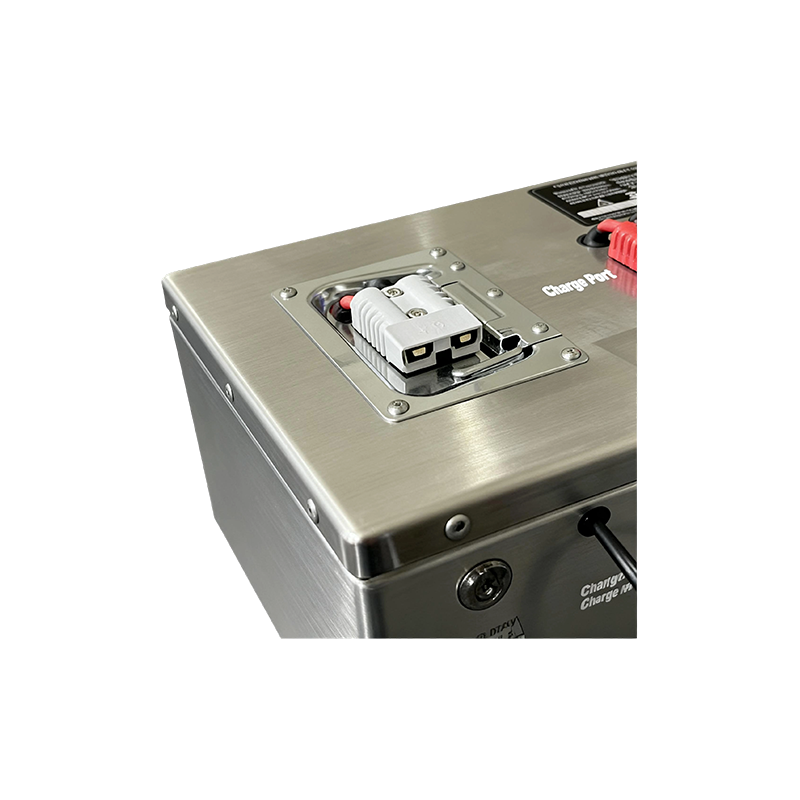
When a DIY Lithium Ion Battery Pack Stops Being “Simple”
Many electronics developers and hobby engineers begin by building a diy lithium ion battery pack to power prototypes, portable tools, or experimental equipment. At first glance, the process seems straightforward—connect several cells, add a BMS module, and the device works.
But once real workloads appear, issues start to surface: sudden voltage drops, overheating during continuous use, or battery imbalance after only a few charge cycles. These problems rarely come from the cells themselves. They usually originate from insufficient system-level design and protection strategy.
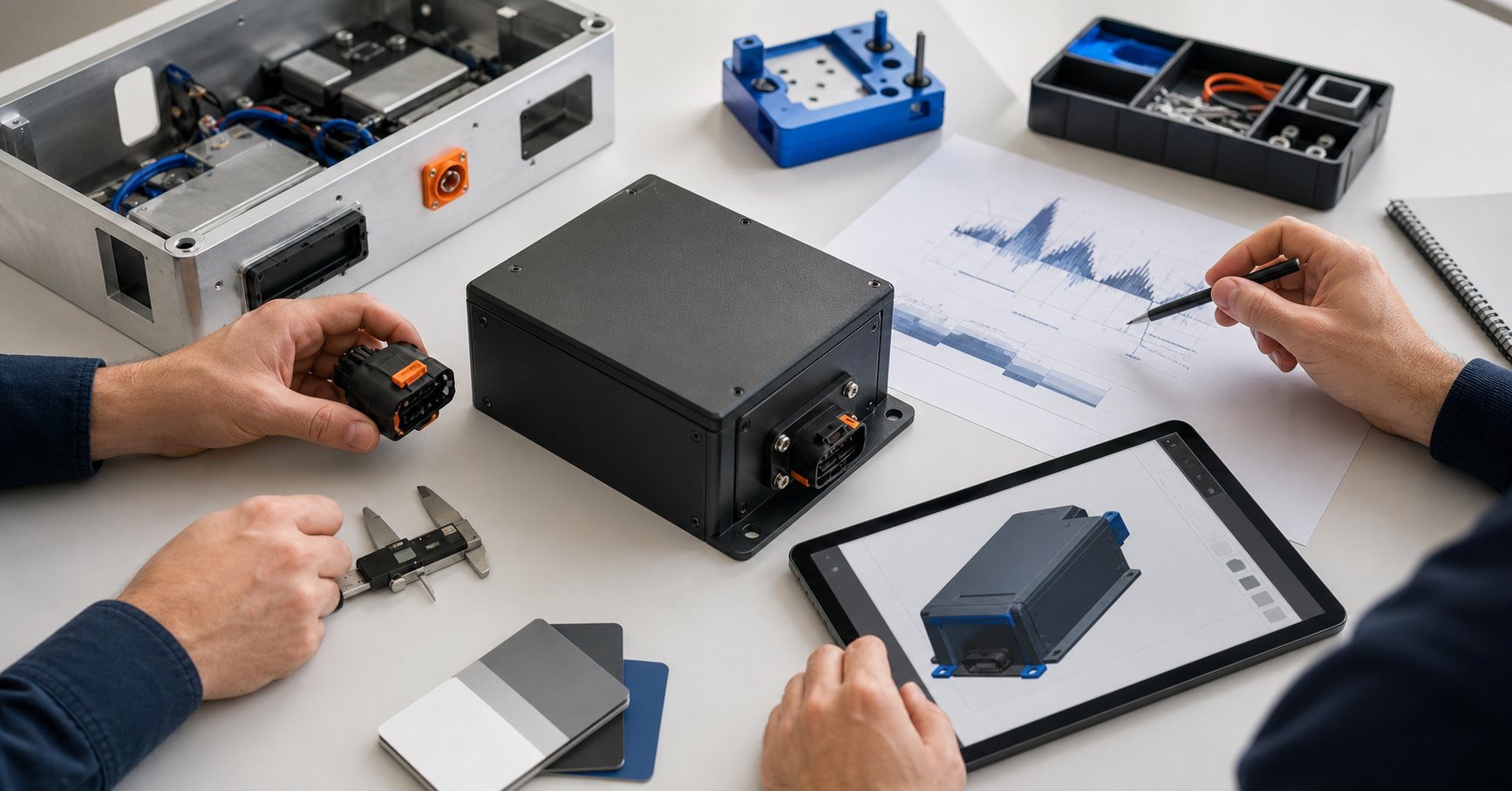
At eDailyMag, we often help customers transition from early DIY power solutions to engineered battery systems. By analyzing load characteristics, selecting appropriate cells, and optimizing pack architecture, our team ensures the battery pack behaves reliably under real operating conditions.
Cell Materials and Structural Design Determine Battery Behavior
Behind every lithium battery pack lies a complex balance between cell chemistry, mechanical design, and electrical layout. Even when two packs have identical capacity ratings, differences in internal resistance, material quality, and layout design can lead to dramatically different performance.
Modern lithium-ion cells commonly use materials such as nickel-manganese-cobalt (NMC) or lithium iron phosphate (LiFePO₄) cathodes. Each chemistry offers different advantages in terms of energy density, safety, and cycle life. According to the International Energy Agency’s battery technology reports, lithium-ion battery chemistry selection plays a key role in determining overall system efficiency and durability.
https://www.iea.org/reports/global-ev-outlook
From a structural perspective, reliable battery packs typically include:
-
Precisely matched cells with similar internal resistance
-
Spot-welded nickel connections to ensure stable current flow
-
Thermal spacing between cells to control heat buildup
-
Mechanical reinforcement to prevent vibration damage
These design decisions significantly influence whether a battery pack operates safely and consistently over hundreds of cycles.
Why Engineers and Equipment Builders Work With Experienced Battery Designers
While DIY packs are useful for experimentation, professional applications demand greater consistency. Experienced battery designers evaluate factors that may not be obvious during early prototyping.
Key advantages of working with experienced teams include:
-
Load-profile analysis to determine peak and continuous current requirements
-
Custom BMS calibration to align protection thresholds with device behavior
-
Thermal management design for stable operation under continuous load
-
Cell matching and lifecycle testing to reduce premature degradation
-
System integration support ensuring compatibility with chargers and electronics
Professional battery engineering ensures the pack functions as part of the system architecture rather than an isolated component.
Comparing DIY Battery Packs and Engineered Battery Solutions
The difference between a simple DIY battery pack and a professionally designed pack often becomes visible only after extended operation.
| Performance Factor | Typical DIY Pack | Engineered Lithium Battery Pack |
|---|---|---|
| Voltage stability under load | 15–20% drop | <8% drop |
| Continuous current capability | 3–5A | 10–20A |
| Cycle life (80% capacity) | 200–400 cycles | 600–1000 cycles |
| Thermal rise during load | +25°C | +10–15°C |
| Cell balance consistency | Variable | High precision matching |
| Integration reliability | Limited | Optimized for system compatibility |
These differences directly affect product reliability, maintenance frequency, and long-term operating cost.
Case Example: Stabilizing Power for an Embedded Monitoring Device
A small equipment manufacturer once approached us after experiencing repeated shutdowns in their portable monitoring device. Their prototype relied on a diy lithium ion battery pack assembled using standard cylindrical cells and an off-the-shelf BMS module.
The device functioned correctly during early testing, but once deployed in outdoor conditions it experienced intermittent resets. After evaluation, the cause became clear: the battery pack could not sustain peak current during wireless transmission, leading to voltage dips below the device’s operating threshold.
Our engineering team redesigned the pack by:
-
selecting higher-discharge 21700 cells
-
optimizing the series-parallel configuration
-
integrating a calibrated BMS with higher peak tolerance
-
improving internal resistance through better connection layout
The redesigned battery pack reduced voltage drop by nearly 40% and eliminated system resets during field testing.
Safety Requirements That Every Lithium Battery Pack Must Meet
Lithium battery systems store significant energy within a compact structure. Proper safety measures are essential to prevent failure and ensure regulatory compliance.
Important protection mechanisms include:
-
Overcharge protection to prevent cell damage
-
Over-discharge protection to preserve cycle life
-
Short-circuit protection for electrical safety
-
Temperature monitoring to avoid thermal runaway
Industry guidelines from organizations such as the International Electrotechnical Commission emphasize the importance of integrated safety design in battery systems.
https://www.iec.ch
For products intended for global markets, additional certifications are typically required:
-
UN38.3 transportation safety testing
-
CE / FCC compliance for electronic products
-
MSDS documentation for material safety
Meeting these standards ensures both safe operation and smooth international shipping.
Where DIY Lithium Ion Battery Packs Are Commonly Used
Despite their limitations, diy lithium ion battery pack projects remain valuable in several contexts where flexibility and experimentation are important.
Typical scenarios include:
-
robotics and embedded electronics prototyping
-
hobby electronics and maker projects
-
early product concept validation
-
educational engineering experiments
-
small portable devices under development
In these environments, DIY solutions help engineers explore system concepts quickly before transitioning to more refined battery designs.
FAQs
1. Can a diy lithium ion battery pack be used in commercial products?
It can be used during development, but commercial devices typically require professionally engineered packs to ensure safety, compliance, and reliability.
2. Why do DIY battery packs lose capacity quickly?
Poor cell matching and improper charging or discharging conditions often accelerate degradation.
3. What is the safest way to connect lithium cells in a pack?
Spot welding nickel strips is generally safer than soldering because it minimizes heat damage to the cells.
Reliable Power Solutions for Modern Devices
Developing a reliable battery pack requires more than connecting cells together. Proper material selection, structural engineering, and protection systems ensure stable performance over time.
At eDailyMag, we design lithium battery solutions tailored to real application requirements. Our engineering team focuses on stable discharge behavior, consistent cell matching, and flexible OEM customization to support equipment manufacturers and technology developers.
You can explore our battery solutions and technical capabilities here:
https://www.edailymag.com/
If you are working on a project that requires a reliable battery power system, our team is ready to help you evaluate and develop the right solution:
https://www.edailymag.com/contact-us
A well-engineered battery pack not only powers a device—it supports the reliability and success of the entire product system.