


In rail-guided logistics systems, performance is not measured in peak output—it is measured in consistency over time.
RGVs (Rail Guided Vehicles) operate in highly structured environments, where movement is repetitive, cycles are predictable, and timing is critical. These systems rely on batteries that can deliver stable voltage, fast response, and continuous operation under frequent start-stop conditions.
In real applications, even small voltage fluctuations during acceleration or load transfer can affect positioning accuracy, system synchronization, and overall throughput.
At eDailyMag, RGV power battery systems are engineered based on real operational cycles rather than nominal specifications. By combining optimized lithium chemistry, structural design, and intelligent battery management, we ensure that the battery system supports precision logistics rather than limiting it.
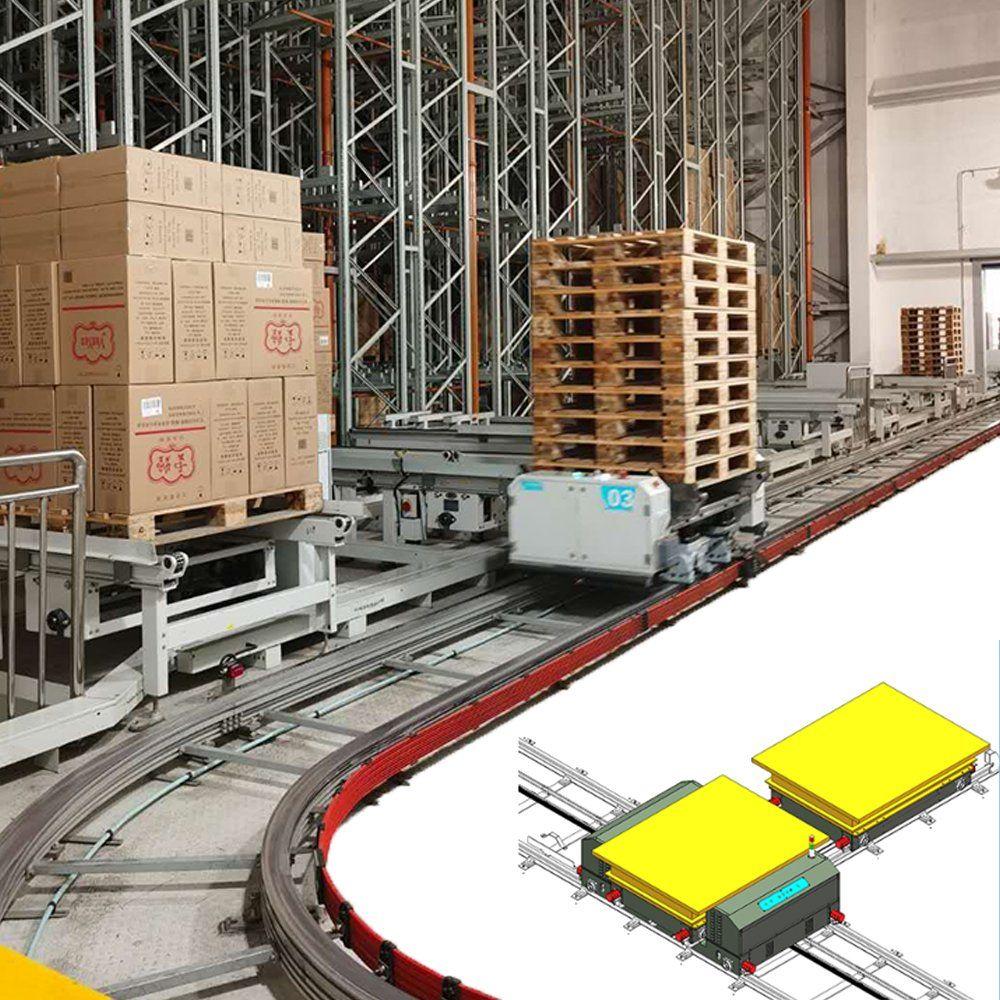
Cell Chemistry and Pack Architecture for RGV Applications
The foundation of any RGV battery system starts with selecting the right chemistry and structural configuration.
Most modern systems use LiFePO4 (Lithium Iron Phosphate) cells due to their:
- stable nominal voltage: 3.2V per cell
- full charge voltage: 3.65V per cell
- long cycle life: 3000–6000 cycles @ 80% DOD
- thermal stability above 250°C decomposition threshold
Typical RGV battery configurations include:
- 24V system → 8S configuration
- 48V system → 16S configuration
- capacity range → 50Ah to 200Ah depending on duty cycle
Structurally, engineered packs include:
- copper busbars for low resistance (<1.5mΩ connection path)
- modular pack design for quick maintenance and replacement
- reinforced casing with IP54–IP67 protection levels
- internal spacing to maintain thermal distribution under load
According to the International Energy Agency, lithium battery systems used in industrial automation increasingly prioritize lifecycle stability and energy efficiency over peak energy density.
https://www.iea.org/reports/global-ev-outlook
Matching Battery Behavior With RGV Duty Cycles
Unlike continuous-motion systems, RGVs operate in high-frequency start-stop cycles, which places specific demands on battery performance.
At eDailyMag, battery systems are engineered based on:
- Peak current during acceleration
Typical RGV startup current: 2–4× rated operating current - Short cycle repetition (5–30 seconds intervals)
Requires fast voltage recovery after each load spike - Opportunity charging behavior
Charging windows: 5–20 minutes per cycle - Load variability
Payload changes affect current demand significantly - System communication integration
CAN/RS485 protocols for real-time SOC/SOH monitoring
These factors ensure that the battery behaves predictably across continuous logistics operations.
Case Insight: Stabilizing Throughput in a Rail-Based Transport System
A manufacturing facility using RGV systems reported inconsistent transport timing across its production line. While mechanical systems were functioning correctly, cycle timing varied during peak operation periods.
After analysis, the issue was traced to battery performance:
- voltage drop exceeded 10% under peak load
- recovery time between cycles was insufficient
- inconsistent internal resistance across battery packs
Our engineering solution included:
- upgrading to matched LiFePO4 cells with ≤2% IR deviation
- optimizing parallel configuration for higher current stability
- calibrating BMS response for faster load adaptation
Results after implementation:
- voltage fluctuation reduced to <5%
- cycle consistency improved by over 25%
- system throughput stabilized across full operation shifts
Detailed Performance Comparison: Standard vs Engineered RGV Battery Systems
| Parameter | Standard Battery Pack | Engineered RGV Battery System |
|---|---|---|
| Nominal Voltage | 24V / 48V | 24V / 48V (custom optimized) |
| Capacity Range | 40–120Ah | 50–200Ah (application-based) |
| Peak Discharge Current | 1.5–2C | 3–5C |
| Voltage Drop Under Load | 8–15% | 3–5% |
| Internal Resistance | 5–8 mΩ per cell | 2–4 mΩ per cell |
| Cycle Life (@80% DOD) | 1000–2000 cycles | 3000–6000 cycles |
| Charging Time | 3–5 hours | 1–2.5 hours (fast charge ready) |
| Operating Temperature | 0°C to 45°C | -20°C to 60°C |
| Protection System | Basic BMS | Advanced BMS + CAN communication |
| Maintenance Requirement | Moderate | Low (modular replacement design) |
Safety Engineering and Compliance Requirements
For RGV systems, safety is integrated into both hardware and control layers.
Key safety features include:
- multi-layer protection (cell + pack + BMS)
- overcurrent protection thresholds with fast cutoff (<10ms response)
- thermal sensors (NTC) integrated across pack modules
- short-circuit protection with automatic isolation
Global standards referenced by the International Electrotechnical Commission:
https://www.iec.ch
Typical compliance requirements:
- UN38.3 for transportation
- CE certification for EU markets
- MSDS documentation for material safety
Application Scope of RGV Power Battery Systems
RGV battery systems are widely used in:
- automated warehouse rail systems
- automotive production line logistics
- high-speed sorting systems
- intelligent material handling systems
- e-commerce fulfillment centers
Across these environments, performance requirements remain consistent:
stable output + fast response + long lifecycle
FAQs
What voltage systems are most common for RGVs?
24V and 48V systems are the most widely used, depending on load requirements.
Can RGV batteries support fast charging cycles?
Yes. Most engineered systems support opportunity charging within short time windows.
How is battery life optimized in RGV systems?
Through cell matching, thermal design, and optimized BMS control strategies.
Reliable Battery Systems for Rail-Guided Automation
In automated logistics, performance depends on repeatability and precision. A well-engineered RGV power battery system ensures that operations remain stable across thousands of cycles.
At eDailyMag, we design lithium battery systems tailored for rail-guided automation, focusing on discharge stability, long lifecycle performance, and system-level integration.
Explore our battery solutions here:
https://www.edailymag.com/
Contact our engineering team for customized RGV battery design:
https://www.edailymag.com/contact-us
Because in rail-guided automation, power stability defines operational precision.