

AGV Battery Pack Solutions: Powering Continuous Movement in Automated Systems
In automated warehouses and logistics centers, AGVs do not stop.
They move, lift, turn, and repeat—hour after hour, often across multiple shifts. When performance slows down, it is rarely caused by software or navigation systems. In many cases, the limitation comes from the power system itself.
Voltage fluctuation during acceleration, reduced runtime between charges, or thermal buildup during continuous operation can all impact system efficiency.
This is where AGV battery pack solutions become critical.
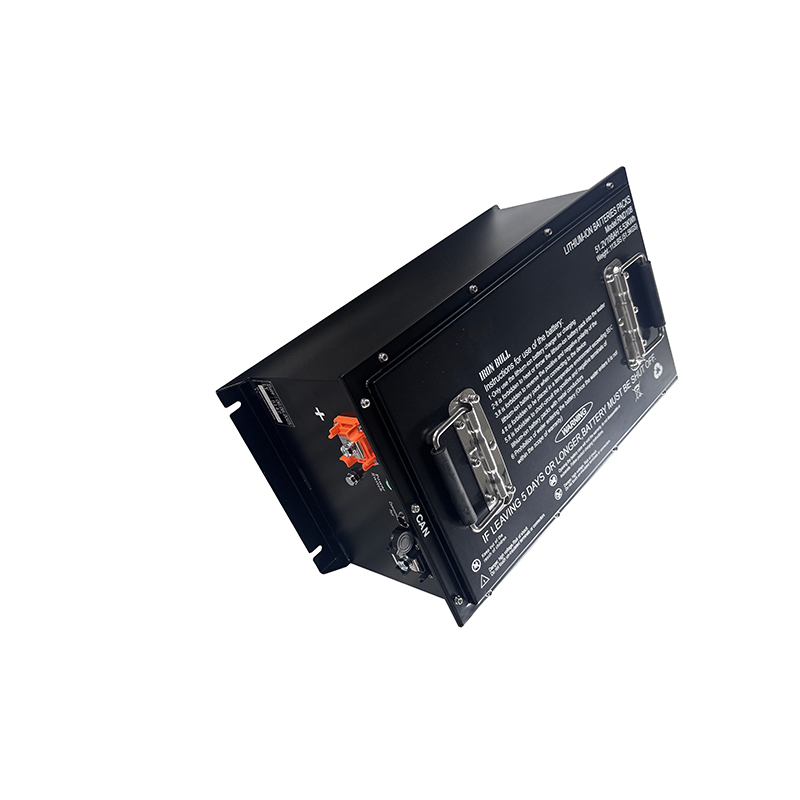
At eDailyMag, we design battery systems specifically for automated environments. By combining high-cycle lithium chemistry, optimized pack architecture, and intelligent BMS control, we ensure AGVs maintain consistent performance across continuous operation cycles.
Battery Materials and Structural Design for AGV Systems
AGV battery packs must support frequent charge-discharge cycles, stable output, and long service life.
Most modern AGV systems use LiFePO4 (Lithium Iron Phosphate) cells due to their:
- long cycle life (3000–6000 cycles)
- stable discharge voltage (around 3.2V per cell)
- high thermal stability under continuous operation
- consistent performance across varying load conditions
From a structural perspective, a well-designed AGV battery pack includes:
- high-parallel configurations to support continuous current demand
- low-resistance busbars to reduce energy loss
- integrated BMS systems for real-time monitoring and protection
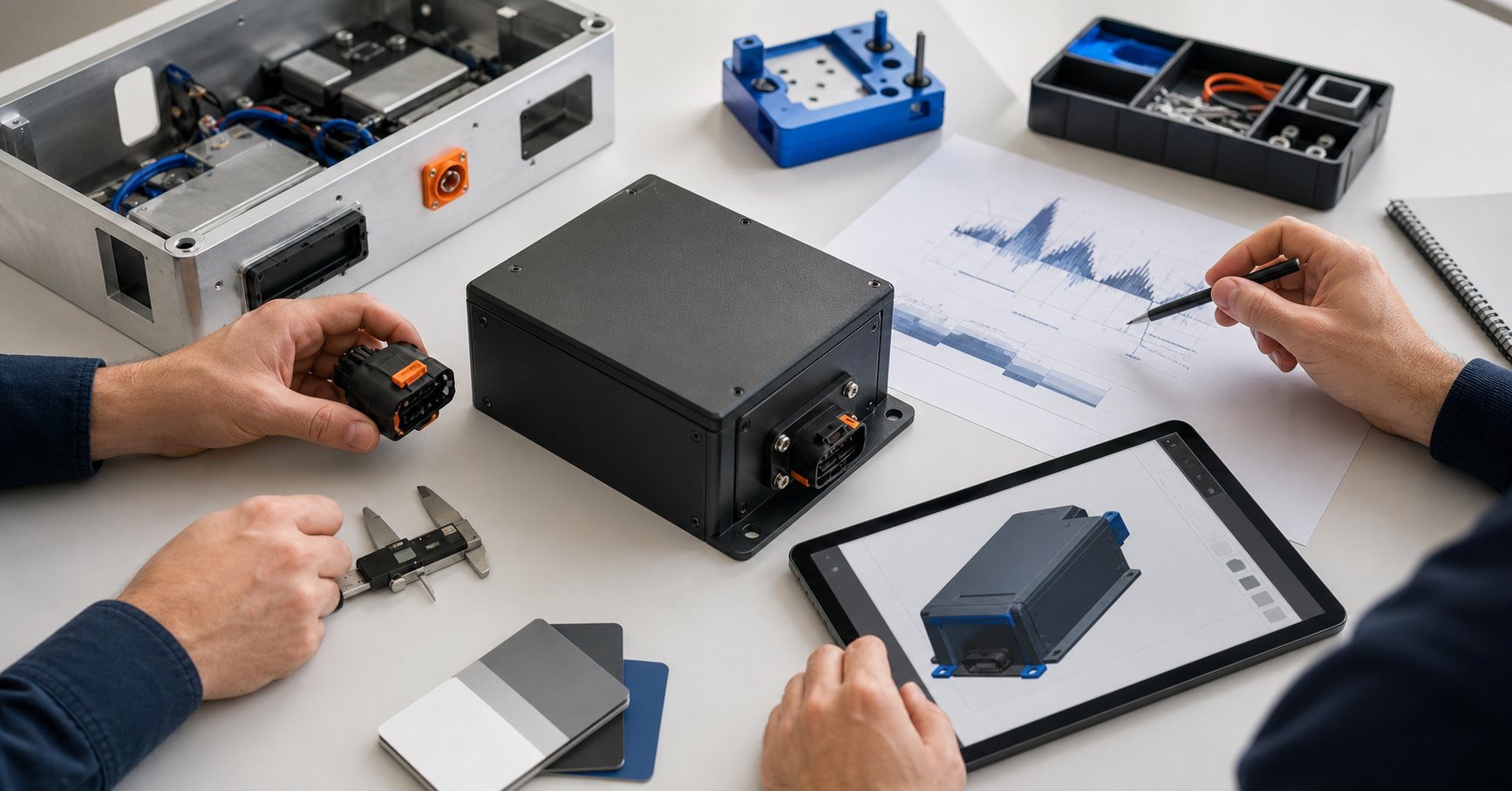
- modular pack design for easy replacement and maintenance
Industry reports from the International Energy Agency indicate that lithium battery systems are increasingly adopted in automated and industrial applications due to their efficiency and long lifecycle performance.
https://www.iea.org/reports/global-ev-outlook
However, battery performance depends not just on materials, but on system-level engineering.
Designing Battery Systems for AGV Operational Patterns
A reliable AGV battery pack solution must match how AGVs operate in real environments.
At eDailyMag, our engineering approach focuses on:
- Continuous duty cycle analysis
Evaluating how long AGVs operate between charges. - Dynamic load response
Supporting acceleration, lifting, and directional changes. - Fast opportunity charging compatibility
Allowing short charging cycles during idle time. - Thermal management under constant use
Preventing overheating in high-density environments. - Communication with AGV control systems
Enabling battery status monitoring and system integration.
This ensures the battery supports operational efficiency rather than limiting it.
Case Insight: Improving Throughput in Automated Warehouse Systems
A warehouse operator using AGVs for material handling faced performance inconsistency across its fleet. Some units required frequent charging, while others showed reduced speed during peak operation.
After analyzing the system, we identified uneven battery performance as the primary factor.
Our solution included:
- upgrading to LiFePO4 cells for improved cycle stability
- optimizing pack configuration for higher discharge efficiency
- implementing a BMS system with real-time monitoring capability
Following deployment, the AGV system achieved:
- more consistent operational speed
- reduced downtime between charging cycles
- improved overall throughput efficiency
In automated systems, stable power directly influences productivity.
Performance Comparison: Conventional vs Optimized AGV Battery Systems
| Parameter | Conventional Battery | Optimized AGV Battery Pack |
|---|---|---|
| Cycle life | 800–1500 cycles | 3000–6000 cycles |
| Charging time | 4–6 hours | 1–3 hours |
| Voltage stability | Moderate | High |
| Thermal performance | Variable | Controlled |
| Discharge efficiency | 80–85% | 90–96% |
| Maintenance frequency | Higher | Lower |
These improvements reduce operational interruptions and increase system efficiency.
Safety and Compliance in AGV Battery Systems
AGVs operate in environments where safety and reliability are essential. Battery systems must meet strict safety and compliance requirements.
Key safety features include:
- overcharge and over-discharge protection
- short-circuit and overcurrent protection
- temperature monitoring and thermal cutoff
- structural reinforcement for mechanical safety
The International Electrotechnical Commission provides global standards for electrical and battery system safety.
https://www.iec.ch
Typical certifications include:
- UN38.3 for transport
- CE compliance
- MSDS documentation
These ensure that battery systems meet both operational and regulatory standards.
Application Scenarios Across Automated Systems
AGV battery pack solutions are used in a wide range of automated environments:
- warehouse automation systems
- manufacturing production lines
- logistics and distribution centers
- airport baggage handling systems
- e-commerce fulfillment operations
Each application requires a battery system optimized for specific operating cycles and performance requirements.
Frequently Asked Questions
What makes AGV battery systems different from standard battery packs?
They are designed for continuous operation, frequent cycling, and stable output under dynamic loads.
Why is LiFePO4 commonly used in AGVs?
Because of its long cycle life, thermal stability, and consistent performance.
Can AGV battery packs support fast charging?
Yes, many systems are designed for opportunity charging during short idle periods.
Reliable Power for Automated Logistics Systems
In automated environments, efficiency depends on consistency. A well-designed AGV battery pack solution ensures that systems operate smoothly across long cycles and demanding conditions.
At eDailyMag, we develop battery systems tailored for AGV and industrial automation applications. Our focus includes long lifecycle performance, stable discharge behavior, and flexible OEM customization.
To explore our battery solutions and capabilities, visit our homepage:
https://www.edailymag.com/
If you are developing or optimizing an AGV system, our engineering team can help you design a battery solution that matches your operational requirements:
https://www.edailymag.com/contact-us
Because in automation, reliable power is what keeps everything moving without interruption.