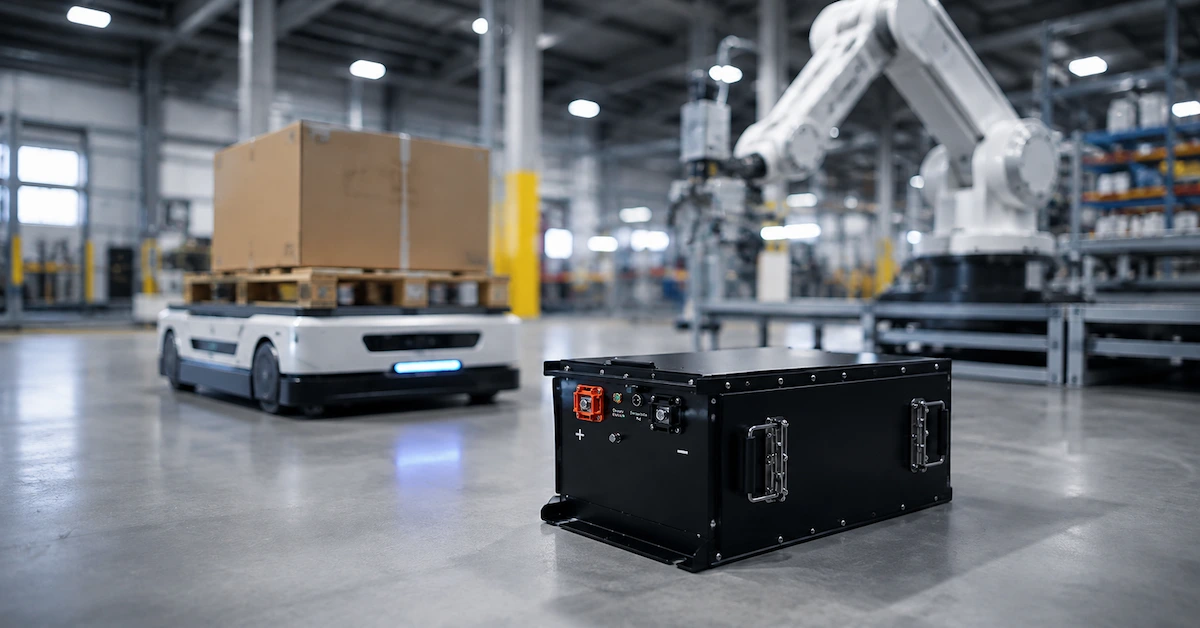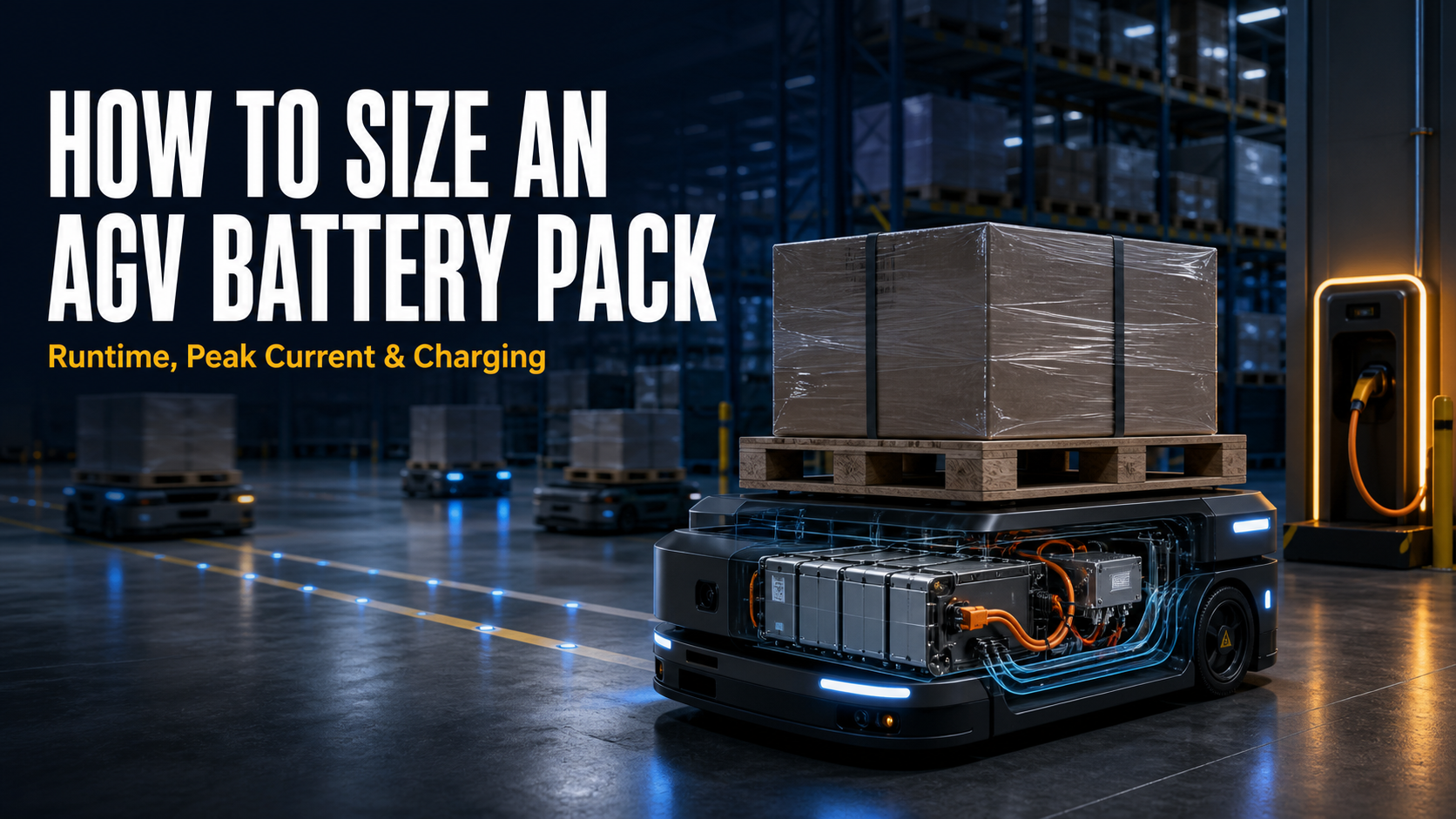


Why Heavy-Duty Equipment Needs an Industrial Lithium Battery OEM Manufacturer
Heavy-duty industrial equipment requires batteries that can deliver stable performance under continuous operation, frequent charging cycles, and demanding working conditions.
For equipment manufacturers, selecting an industrial lithium battery OEM manufacturer is not only about purchasing battery cells or standard battery packs.
The battery system must match the complete equipment design, including:
- Power requirements
- Operating cycles
- Installation space
- Charging system
- Controller communication
- Environmental conditions
A suitable OEM battery partner helps companies develop battery solutions that improve:
- Equipment uptime
- Operational efficiency
- Battery lifespan
- Maintenance reliability
Dailymag provides industrial lithium battery solutions designed for different equipment requirements, including customized battery packs for professional applications.
Industries using heavy-duty lithium battery solutions include:
- Material handling equipment
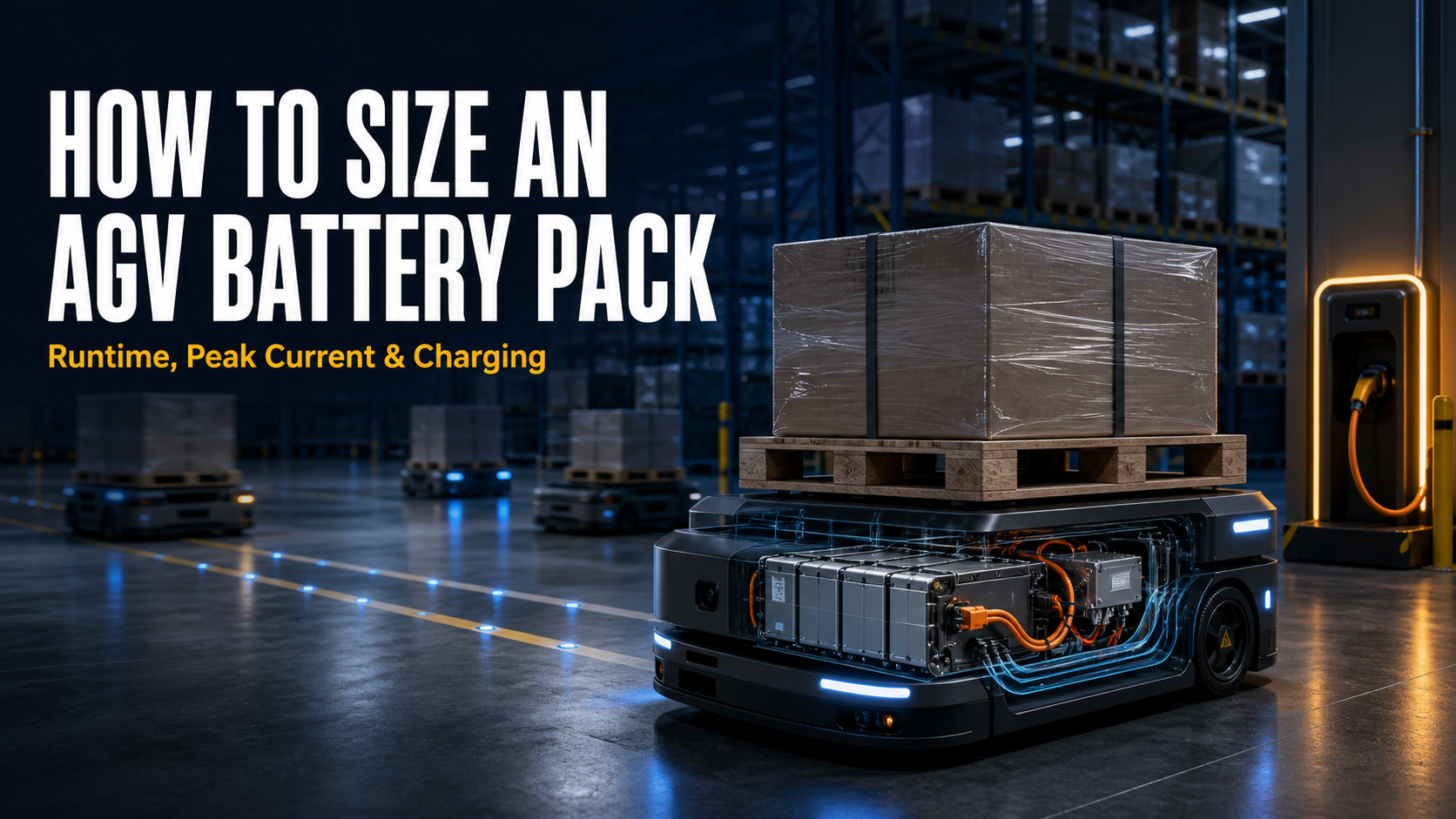
- AGV and AMR systems
- Industrial robots
- Cleaning machines
- Electric vehicles
- Automated warehouse equipment
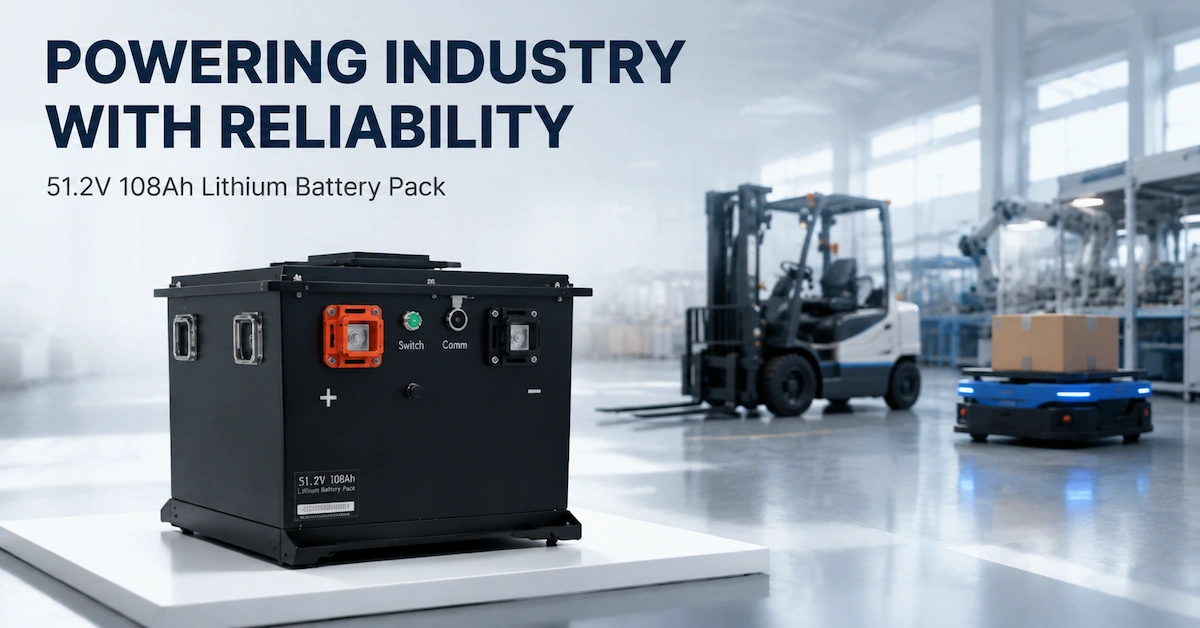
What Is an Industrial Lithium Battery OEM Manufacturer?
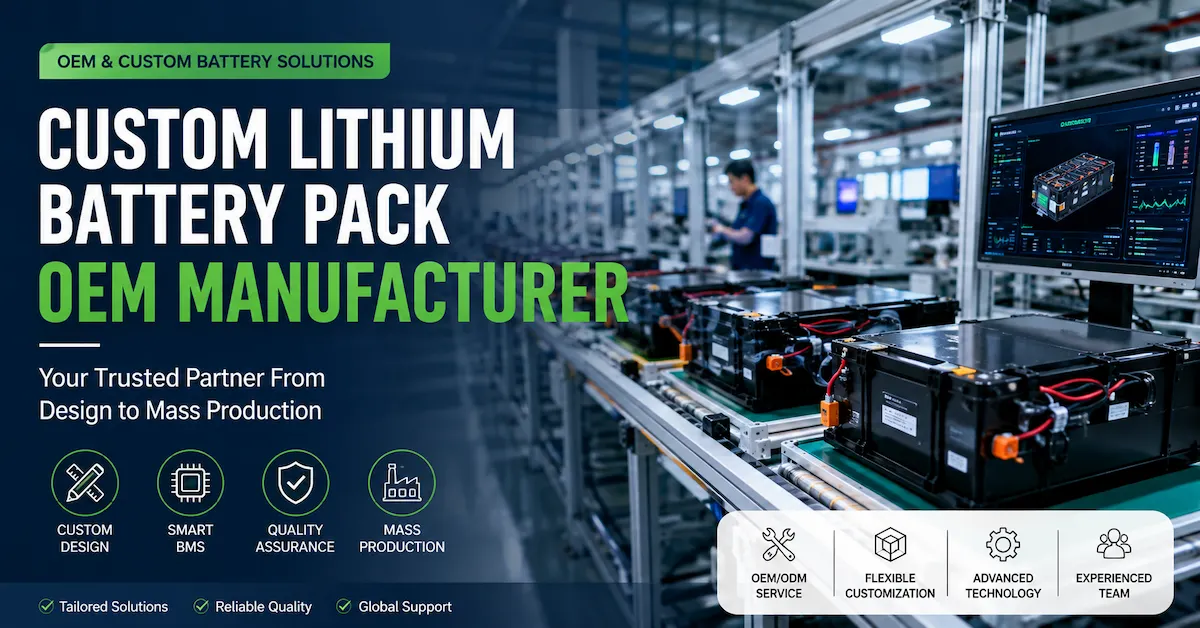
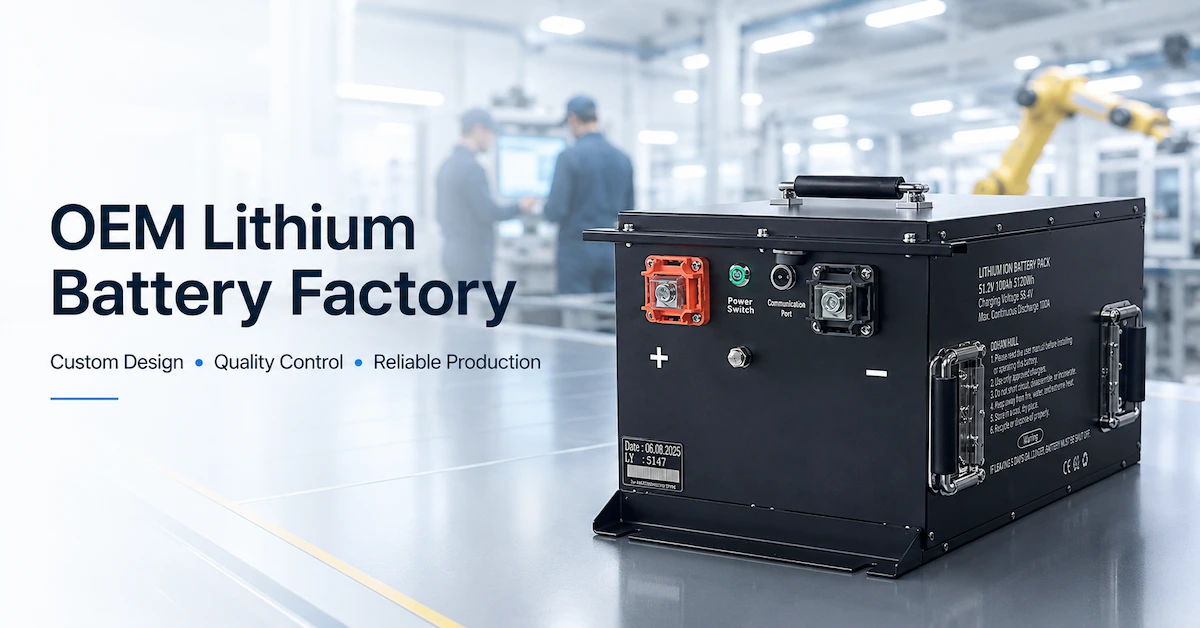
An industrial lithium battery OEM manufacturer develops customized battery packs according to equipment manufacturers' requirements.
Unlike standard battery suppliers, OEM manufacturers provide support throughout the product development process.
Typical OEM services include:
- Application analysis
- Battery architecture design
- Cell selection
- Battery pack customization
- BMS configuration
- Prototype development
- Testing validation
- Mass production
The goal is to create a battery system that works reliably with the customer's equipment.
Dailymag supports customers with OEM and custom battery services, covering battery design, development, testing, and production support.
Why Standard Batteries Are Not Always Suitable for Heavy-Duty Applications
Many industrial applications have requirements that standard batteries cannot satisfy.
Heavy-duty equipment may require:
Higher Continuous Power Output
Machines such as industrial vehicles and handling equipment often experience:
- Frequent acceleration
- Heavy loads
- Long operating hours
The battery must provide stable current output during demanding operation.
Longer Operating Time
Downtime affects industrial productivity.
OEM battery solutions can optimize:
- Battery capacity
- Energy utilization
- Charging strategy
to improve working efficiency.
Customized Mechanical Design
Industrial equipment often has limited installation space.
Battery customization may involve:
- Dimensions
- Mounting structure
- Connector position
- Cable design
- Housing requirements
Businesses can explore different custom lithium battery pack solutions based on equipment size, power requirements, and operating conditions.
Key Design Considerations for Heavy-Duty Lithium Battery Packs
Battery Capacity and Energy Requirements
Battery capacity should be determined according to actual equipment usage.
Engineers evaluate:
- Operating hours
- Load conditions
- Working cycles
- Charging frequency
A larger capacity battery is not always the best solution if it increases weight or affects equipment balance.
Discharge Performance
Heavy-duty applications require batteries capable of handling:
- Continuous current demand
- Peak power requirements
- Frequent load changes
The OEM manufacturer needs to select suitable cells and configurations according to the equipment profile.
Battery Management System (BMS)
The BMS plays an important role in industrial lithium battery systems.
A customized BMS can provide:
- Cell monitoring
- Temperature protection
- Overcurrent protection
- Charging management
- Battery status information
For intelligent equipment, communication functions may include:
- CAN
- RS485
The communication system must match the equipment controller.
For intelligent equipment, Dailymag develops custom lithium battery solutions with configurable protection and communication functions.
Thermal Management and Operating Environment
Industrial equipment may operate in challenging environments.
Battery design should consider:
- High temperature conditions
- Low temperature operation
- Dust exposure
- Vibration
- Long working cycles
Environmental requirements influence:
- Cell selection
- Housing design
- Protection structure
- Testing methods
OEM Lithium Battery Development Process
A professional OEM manufacturer usually follows a structured development process.
Step 1: Application Requirement Analysis
The manufacturer reviews:
- Equipment type
- Voltage requirements
- Capacity requirements
- Current demand
- Installation limitations
- Working environment
This stage determines the overall battery design direction.
Step 2: Battery System Design
Engineers define:
- Cell configuration
- Battery capacity
- Electrical structure
- BMS solution
- Mechanical design
The design should balance:
- Performance
- Safety
- Cost
- Reliability
Step 3: Prototype Development
Prototype batteries allow customers to verify:
- Equipment compatibility
- Charging performance
- Runtime
- Communication functions
- Mechanical installation
Prototype testing reduces risks before mass production.
Step 4: Testing and Validation
Industrial battery testing may include:
Electrical Testing
- Voltage testing
- Capacity testing
- Charge and discharge testing
Safety Testing
- Protection verification
- Temperature monitoring
- Fault response
Equipment Testing
- Machine operation
- Communication testing
- Real working condition validation
Heavy-Duty Applications Using OEM Lithium Battery Packs
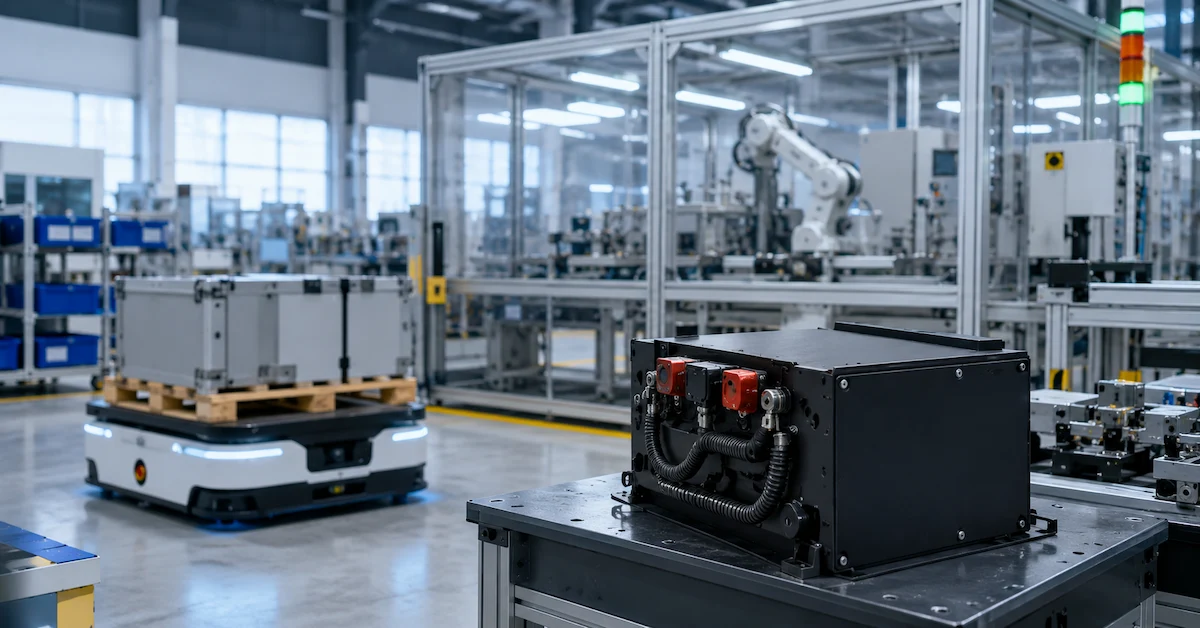
AGV and AMR Systems
Automated vehicles require batteries with:
- Long cycle life
- Fast charging capability
- Stable output
- Intelligent monitoring
Reliable batteries help improve warehouse and production efficiency.
Material Handling Equipment
Industrial transport equipment often operates for extended periods.
Battery solutions should support:
- High workload
- Frequent operation
- Reliable charging
Industrial Robots
Robotic applications require:
- Compact battery design
- High energy efficiency
- Stable power supply
- Communication compatibility
Electric Industrial Vehicles
Electric vehicles used in industrial environments require:
- Durable battery structures
- Long service life
- Safety protection
- Consistent performance
How to Choose an Industrial Lithium Battery OEM Manufacturer?
Selecting the right supplier requires evaluating more than product price.
Engineering Capability
A reliable OEM partner should provide:
- Technical analysis
- Battery design support
- Application recommendations
- Problem-solving capability
Manufacturing Capability
Evaluate:
- Production process
- Quality management
- Testing procedures
- Delivery capability
Customization Ability
Check whether the supplier can support:
- Voltage customization
- Capacity customization
- Structural design
- BMS customization
- Communication integration
Long-Term Supply Support
Industrial products often have long lifecycles.
A reliable supplier should support:
- Repeat production
- Product updates
- Technical support
- Supply continuity
How Dailymag Supports Industrial Lithium Battery OEM Projects
Learn more about Dailymag Energy's capabilities through our industrial battery applications and technical resources.
The company supports OEM customers with:
- Battery requirement analysis
- Custom battery pack design
- Prototype development
- Battery testing
- Quality management
- Production support
Dailymag solutions are designed for applications including:
- Industrial equipment
- Robotics
- Intelligent terminals
- Monitoring systems
- Professional devices
Learn more:
FAQ
What is an industrial lithium battery OEM manufacturer?
An industrial lithium battery OEM manufacturer designs and produces customized battery packs according to equipment manufacturers' technical requirements.
Why do heavy-duty machines need customized lithium batteries?
Heavy-duty equipment often requires specific voltage, capacity, current output, dimensions, and communication functions that standard batteries cannot provide.
What industries use industrial OEM lithium batteries?
Common applications include AGV systems, industrial robots, material handling equipment, electric vehicles, and automation systems.
Can OEM lithium batteries support CAN communication?
Yes. Customized battery systems can integrate communication functions such as CAN or RS485 when required by equipment controllers.
How long does OEM battery development take?
The timeline depends on battery complexity, testing requirements, customization level, and production quantity.
What information should be provided when requesting an OEM battery?
Customers should provide:
- Equipment application
- Voltage requirement
- Capacity
- Current demand
- Dimensions
- Charging requirements
- Environment conditions
How does an OEM manufacturer ensure battery quality?
Quality control includes material inspection, production monitoring, electrical testing, safety testing, and final inspection.
Can industrial lithium batteries replace lead-acid batteries?
In many applications, lithium batteries can provide advantages such as longer cycle life, higher efficiency, lighter weight, and reduced maintenance requirements.
Conclusion
Choosing the right industrial lithium battery OEM manufacturer helps equipment companies develop reliable, efficient, and long-lasting power solutions.
For heavy-duty industrial applications, battery performance depends on:
- Proper system design
- Suitable cell selection
- BMS integration
- Manufacturing quality
- Application testing
A professional OEM battery partner can help companies reduce development risks and improve equipment reliability.
Dailymag Energy provides customized industrial lithium battery solutions for OEM customers. Companies developing industrial vehicles, automation equipment, or professional systems can contact Dailymag Energy for battery solution evaluation.