

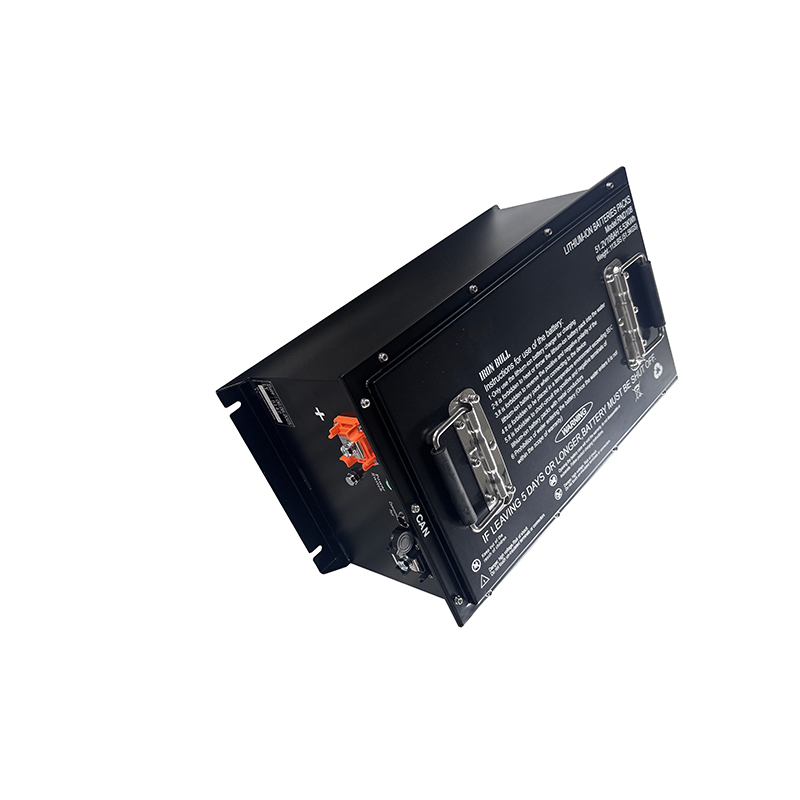
Battery Packs Lithium for OEM Systems: From Selection Risks to Practical Product Solutions
In OEM projects, identifying risks is easy. Most teams know that battery packs lithium can cause integration issues if voltage, size, or communication does not match the system. The real challenge is turning those risks into clear product decisions that engineering, procurement, and project teams can execute without repeated redesign.
This article focuses not only on what can go wrong, but on how battery pack products should be configured, specified, and delivered to avoid those problems in the first place.
Electrical Mismatch Risk — And How Product Configuration Solves It
Common problem
OEM systems often experience unstable operation even when nominal voltage and capacity look correct. Voltage sag under load, current limiting, or unexpected protection triggers are typical symptoms.
Practical solution
Well-designed battery packs lithium address this at the product level through:
-
Defined operating voltage windows, not just nominal voltage
For example, 48V-class systems should specify working ranges (such as 43–54V) that match inverter tolerance. -
Clear continuous discharge ratings
A 100Ah pack rated at 1C continuous supports sustained 100A load, while 0.5C designs require derating in real use. -
Cell matching and pack-level balancing strategy
Consistent cell grouping reduces voltage imbalance and improves long-term stability.
These parameters should be confirmed in the product specification, not assumed from generic labels.
Structural Integration Risk — Solved Through Modular Product Design
Common problem
Battery packs fit electrically but create mechanical issues: vibration damage, thermal hotspots, or maintenance difficulty.
Practical solution
Product-level structural design directly determines whether the pack survives long-term operation.
Effective battery packs lithium typically incorporate:
-
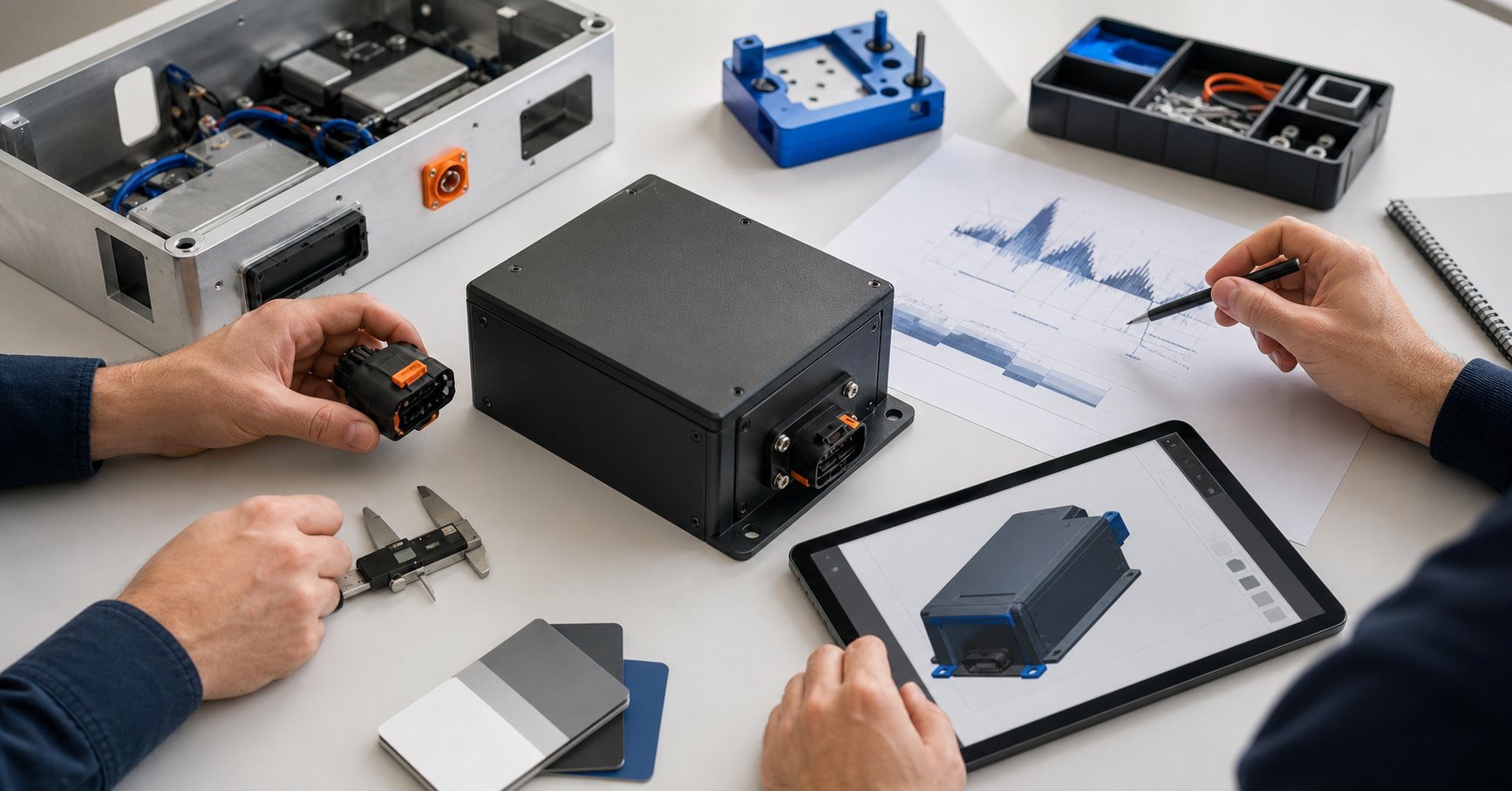
Modular internal architecture, allowing heat dissipation and easier service
-
Reinforced enclosures, commonly 1.2–2.0 mm steel or aluminum depending on vibration level
-
Standardized mounting points, aligned with OEM chassis or cabinet layouts
These features are not optional add-ons; they are core product design decisions that reduce lifecycle risk.
BMS Integration Risk — Addressed by Configurable Control Logic
Common problem
OEM projects are delayed because BMS communication or protection logic does not align with system behavior.
Practical solution
A product-oriented BMS strategy focuses on configurability rather than fixed defaults.
Key BMS features that matter in battery packs lithium include:
-
Selectable communication protocols (CAN, RS485, Modbus)
-
Adjustable protection thresholds, matched to system load and environment
-
Accurate SOC/SOH algorithms, especially under partial load operation
Products that allow these configurations reduce commissioning time and avoid repeated firmware changes.
Customization vs Standardization — A Controlled Product Strategy
Common problem
Full customization increases cost and lead time, while fully standard products fail to integrate smoothly.
Practical solution
Most OEM projects succeed with a platform + targeted customization product strategy.
| Aspect | Standard Platform | Targeted Customization |
|---|---|---|
| Voltage & cell type | Fixed | Fixed |
| Enclosure & connectors | Standard | Adapted |
| BMS communication | Standard | Configurable |
| MOQ & lead time | Predictable | Controlled |
This approach keeps validation effort manageable while still meeting system-specific needs.
Procurement Risk — Reduced by Transparent Product Data
Common problem
Projects slip because procurement decisions are made without full visibility into delivery and testing scope.
Practical solution
OEM buyers evaluating battery packs lithium should require suppliers to provide:
-
Configuration-specific MOQ, not generic minimums
-
Clear lead time breakdown, covering cells, assembly, and testing
-
Defined factory test procedures, including electrical, insulation, and communication checks
Product transparency at this stage directly correlates with smoother execution later.
Typical Battery Packs Lithium Product Configurations
To support OEM integration, common product configurations include:
| Application | Nominal Voltage | Capacity Range | Product Focus |
|---|---|---|---|
| Industrial equipment | 48V | 40–200Ah | Structural robustness |
| Energy systems | 51.2V | ~100Ah | Communication stability |
| Mobile OEM platforms | Custom | System-defined | Weight & form factor |
Selecting an established configuration reduces design uncertainty and speeds up validation.
Common OEM Questions About Battery Packs Lithium
Q1: How do I ensure the battery pack will behave correctly under real load?
Confirm continuous current rating, operating voltage range, and thermal design rather than relying on peak specifications.
Q2: Which product features reduce long-term maintenance cost?
Modular structure, accessible connectors, and configurable BMS logic have greater impact than initial capacity rating.
Q3: How can I limit customization without compromising integration?
Fix core electrical architecture and apply customization only to enclosure, connectors, and communication interfaces.
Why OEM Teams Work With eDailyMag
Beyond supplying battery products, eDailyMag focuses on system-compatible battery packs lithium designed for OEM deployment, not generic consumer applications.
Key advantages include:
-
Product architectures built around OEM system constraints, not one-size-fits-all designs
-
Configurable BMS and communication options, reducing integration effort
-
Clear MOQ, lead time, and test scope, supporting predictable project planning
OEM teams can review available battery system options and product capabilities at https://www.edailymag.com/.
For project-specific discussions—such as parameter matching, enclosure adaptation, or delivery planning—you can directly connect with the engineering team via https://www.edailymag.com/contact-us to evaluate solutions based on your actual application requirements.