

When buyers compare battery systems, the first numbers they usually notice are voltage and amp-hours.
But in real industrial operation, battery performance is rarely determined by capacity aloe. Two battery packs with identical specifications can behave completely differently once installed inside actual equipment.
One may maintain stable output during continuous operation. Another may experience voltage drop, overheating, or accelerated degradation after repeated charge cycles.
This is why a professional pack lithium ion battery solution must be engineered around real operating behavior rather than only electrical specifications.
At eDailyMag, lithium battery systems are designed from the inside out—focusing on cell consistency, thermal management, discharge stability, and long-term integration reliability for OEM and industrial applications.
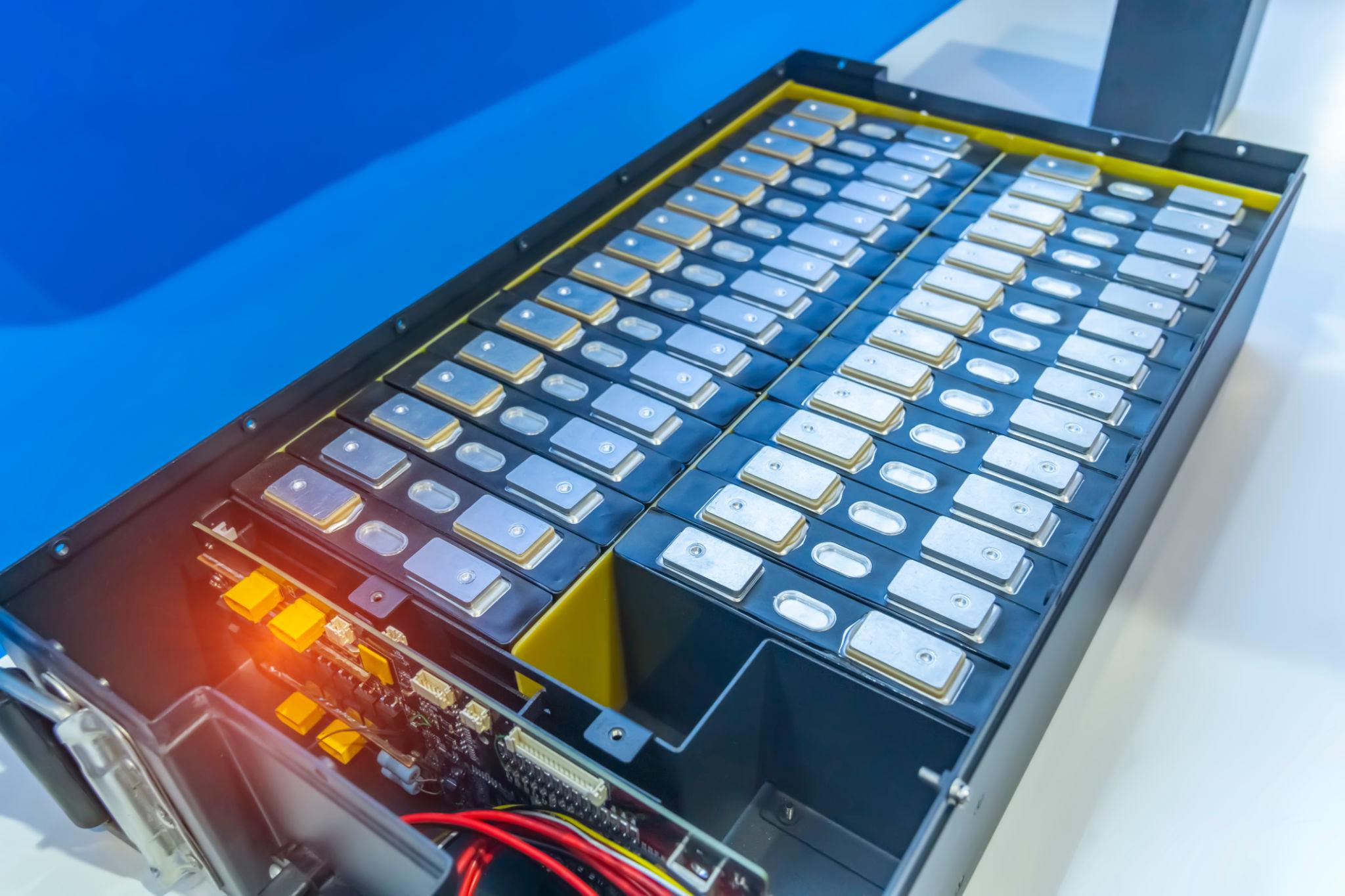
Cell Chemistry and Structural Architecture Define Battery Performance
The internal structure of a lithium battery pack directly affects its stability, lifespan, and safety.
Most modern industrial systems use:
- LiFePO4 cells for long cycle life and thermal stability
- NMC cells for higher energy density and compact structure
- customized series-parallel configurations depending on application requirements
Typical pack structures include:
- 8S / 16S / 24S voltage architectures
- parallel cell groups for higher capacity output
- copper or nickel busbars for conductivity optimization
- integrated BMS protection systems
Key performance characteristics include:
- cycle life ranging from 1500–6000 cycles
- stable discharge voltage during high-load operation
- charging efficiency above 90%
- lower maintenance requirements compared with traditional lead-acid systems
Industry demand for lithium battery systems continues growing across automation and electric mobility sectors because stable battery performance directly improves operational efficiency and equipment reliability.
Engineering a Pack Lithium Ion Battery for Real Equipment Conditions
A reliable pack lithium ion battery system must operate consistently under changing workloads and environmental conditions.
At eDailyMag, engineering development focuses on:
- Cell matching accuracy
Reducing capacity deviation and internal resistance imbalance. - Thermal management design
Controlling heat during continuous discharge and charging. - Discharge stability optimization
Maintaining voltage consistency during peak current demand. - BMS communication and protection
Monitoring current, voltage, and temperature in real time. - Mechanical durability
Protecting the battery system against vibration, impact, and environmental stress.
These details strongly influence battery lifespan and operational reliability over time.
Case Insight: Improving Runtime Consistency in Automated Equipment
A customer manufacturing industrial transport equipment experienced inconsistent runtime performance across multiple devices.
Although all systems used similar battery specifications, field operation revealed:
- unstable voltage during acceleration
- uneven charging behavior
- faster degradation in high-load environments
Our engineering team redesigned the battery pack structure using:
- tighter cell matching standards
- optimized thermal spacing between cells
- improved BMS calibration for fluctuating workloads
After deployment:
- runtime consistency improved significantly
- charging efficiency became more stable
- battery replacement frequency decreased
The improvement came not from increasing capacity, but from optimizing internal battery engineering.
Performance Comparison: Standard Battery Pack vs Engineered Lithium Battery Pack
| Parameter | Standard Battery Pack | Engineered Lithium Battery Pack |
|---|---|---|
| Cell Matching Accuracy | ±5–8% | ≤±2% |
| Voltage Stability | Moderate | High |
| Thermal Performance | Basic | Optimized |
| Cycle Life | 800–1500 cycles | 3000–6000 cycles |
| Continuous Discharge | Limited | Stable |
| Maintenance Requirement | Higher | Lower |
| OEM Integration | General-purpose | Fully customized |
These differences directly affect operational cost, maintenance frequency, and equipment reliability.
Safety Design and Compliance Requirements
Battery systems used in industrial and mobility applications must meet strict safety requirements.
Reliable lithium battery packs include:
- overcharge and over-discharge protection
- short-circuit and overcurrent protection
- multi-point temperature monitoring
- active balancing systems for cell consistency
Typical certifications include:
- UN38.3
- CE certification
- MSDS documentation
These standards support safe transportation and stable deployment across international markets.
Application Scenarios for Lithium Battery Pack Systems
Modern pack lithium ion battery systems are widely used in:
- AGV and RGV logistics systems
- electric mobility vehicles
- industrial automation equipment
- energy storage systems
- cordless power equipment
- medical and portable electronic devices
Each application requires different voltage windows, runtime behavior, and charging strategies—making customized engineering essential.
FAQs
What affects lithium battery pack lifespan most?
Cell quality, thermal management, charging behavior, and BMS design all strongly affect long-term lifespan.
Why is cell matching important in battery packs?
Poor matching causes imbalance, unstable discharge, and reduced operational reliability.
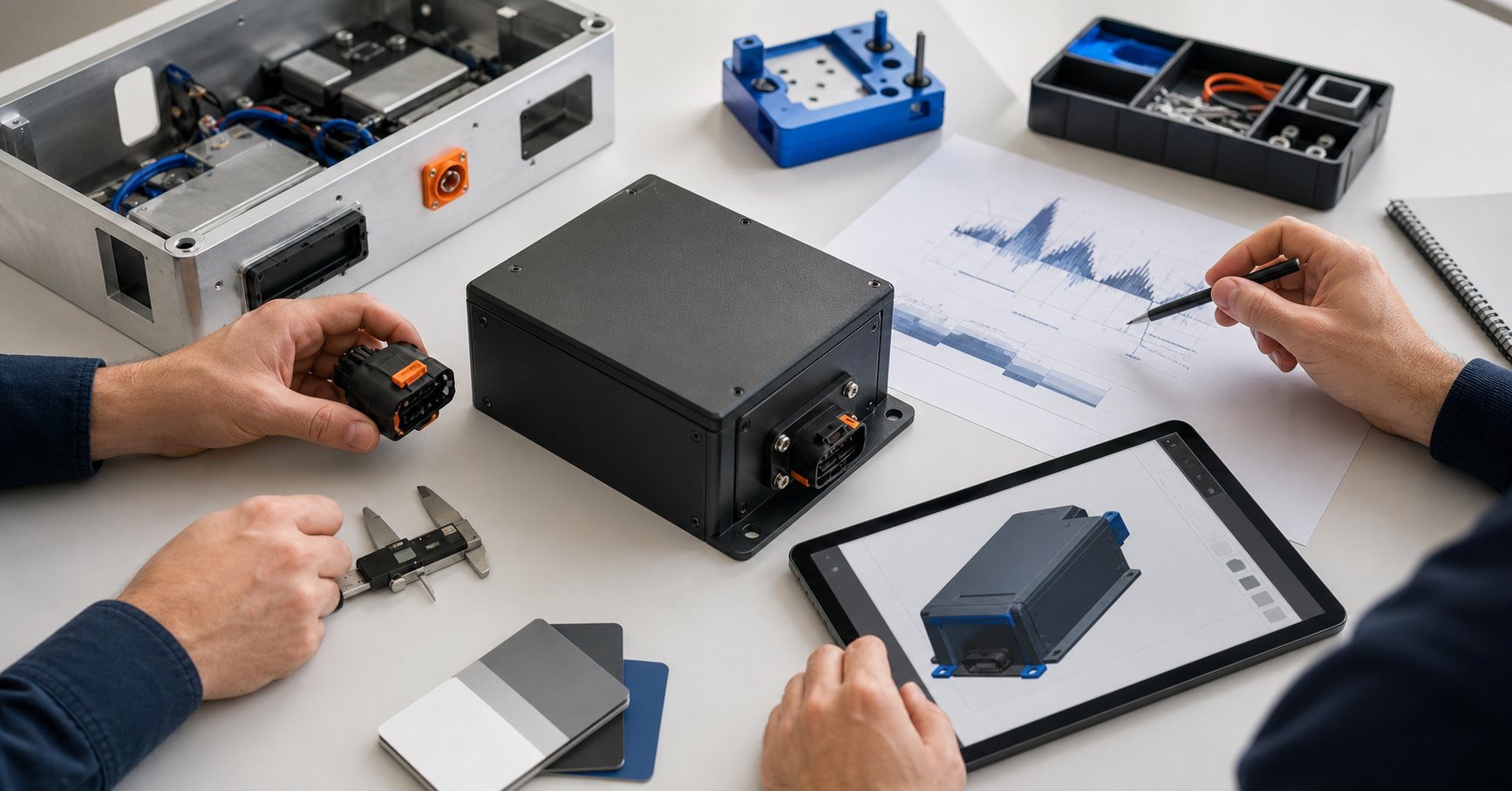
Can lithium battery packs be customized for OEM projects?
Yes. Voltage, capacity, BMS communication, connectors, and housing structures can all be tailored.
Reliable Battery Pack Engineering for Modern Industrial Systems
Battery systems are no longer simple power sources—they are part of the equipment’s operational architecture.
A professionally engineered pack lithium ion battery solution ensures stable output, efficient charging, long-term durability, and safer operation under real working conditions.
At eDailyMag, we provide customized lithium battery systems for industrial equipment, automation platforms, and electric mobility applications—focusing on engineering precision, thermal stability, and flexible OEM support.
Explore our battery solutions here:
https://www.edailymag.com/
Contact our engineering team for customized lithium battery pack development:
https://www.edailymag.com/contact-us
Because stable battery performance begins with intelligent internal engineering.