

In many product development processes, battery selection is treated as a final step.
After the structure, electronics, and control systems are defined, engineers begin searching for a battery pack that can meet voltage and capacity requirements. At this stage, standard battery modules often appear sufficient.
However, once the product enters real operation—continuous use, fluctuating loads, varying temperatures—the difference between a standard battery and a properly engineered OEM lithium battery pack becomes clear.
At eDailyMag, we approach battery design from the beginning as part of the system architecture. Instead of forcing compatibility, we engineer battery packs that align with actual operating conditions, ensuring long-term stability, efficiency, and scalability.
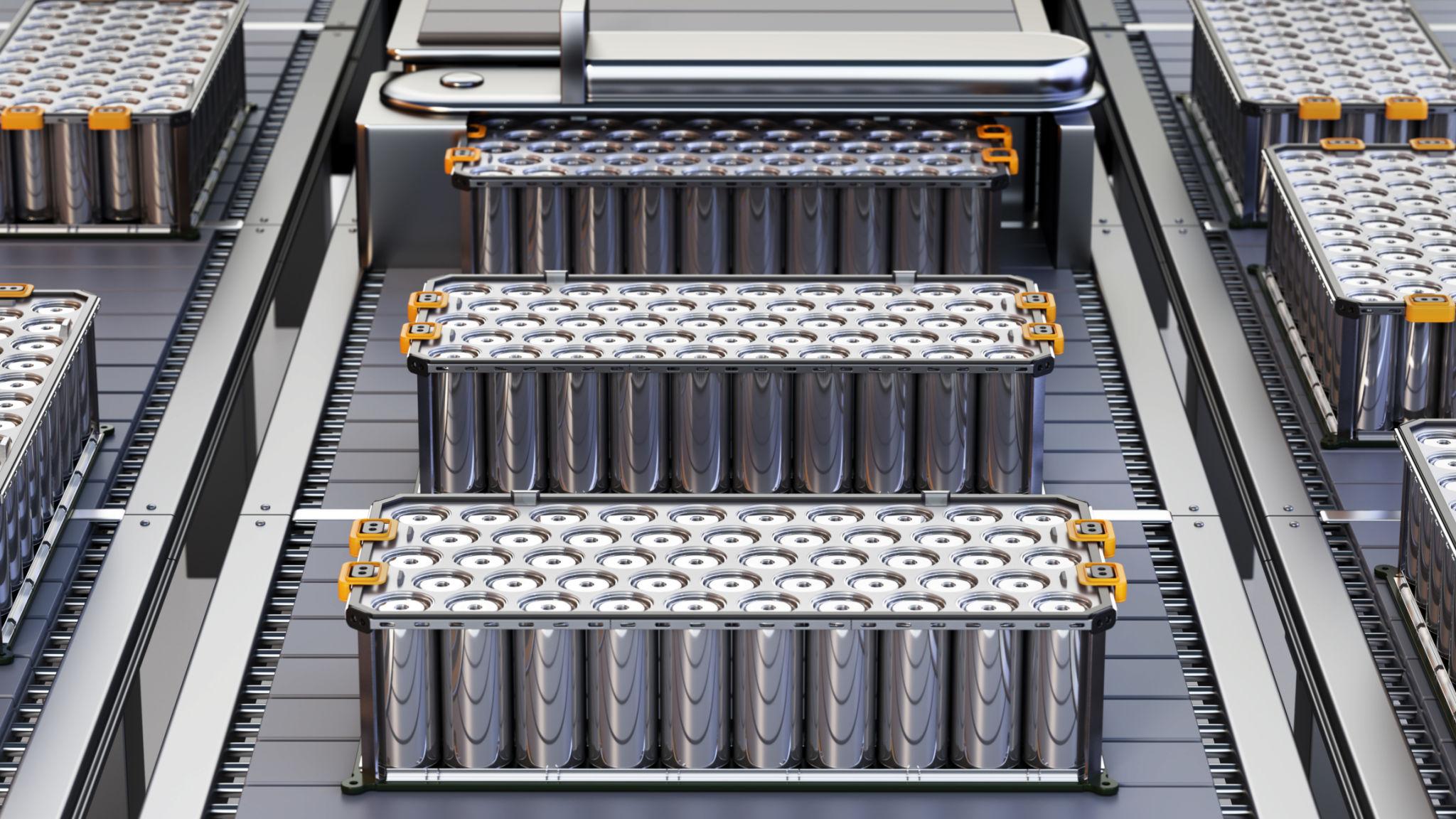
Cell Chemistry and Pack Architecture for OEM Applications
The foundation of an OEM battery system lies in selecting the appropriate cell chemistry and structural configuration.
Common options include:
- LiFePO4 (Lithium Iron Phosphate) for high stability and long cycle life
- NMC (Nickel Manganese Cobalt) for higher energy density
- hybrid configurations depending on application constraints
For industrial and mobility applications, LiFePO4 is often preferred due to:
- cycle life of 3000–6000 cycles
- stable nominal voltage (3.2V per cell)
- excellent thermal stability
- consistent discharge behavior under load
Typical OEM battery pack structures include:
- custom series-parallel configurations (e.g., 8S, 16S, 24S systems)
- low-resistance copper or nickel busbars
- integrated BMS modules
- thermal spacing and protective insulation layers
According to the International Energy Agency, lithium battery systems used in industrial and mobility sectors are increasingly optimized for lifecycle performance and safety rather than just capacity.
https://www.iea.org/reports/global-ev-outlook
Engineering Integration: Aligning Battery Performance With Device Requirements
A professional OEM lithium battery pack is designed around how the equipment actually operates.
At eDailyMag, engineering design focuses on:
- Load profile analysis
Measuring peak current, startup spikes, and continuous discharge behavior. - Voltage window alignment
Ensuring the battery operates within the device’s stable working range. - BMS customization
Adjusting protection thresholds and communication protocols. - Thermal management design
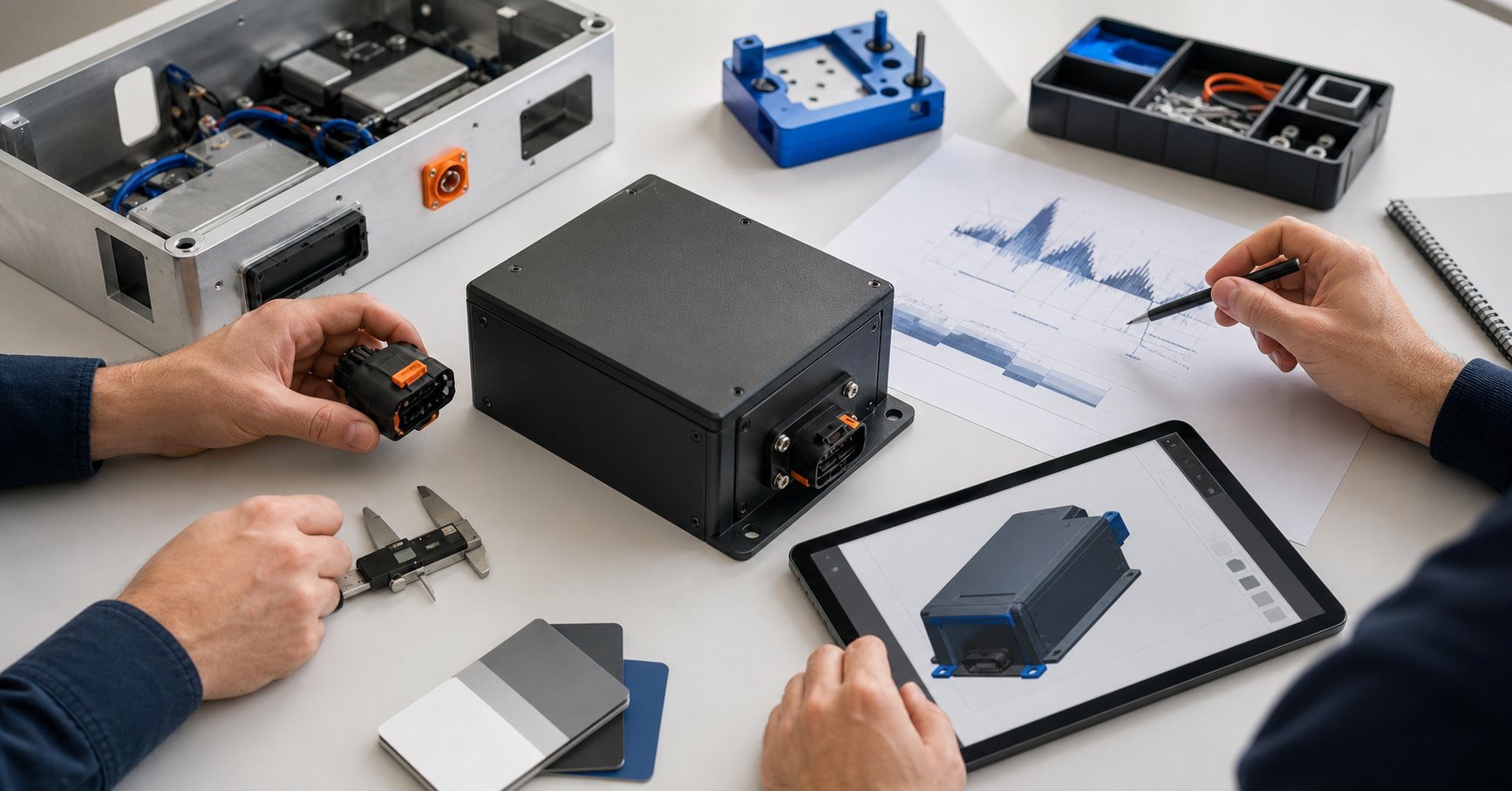
Controlling heat during extended operation. - Mechanical integration
Matching dimensions, connectors, and mounting structures.
This ensures the battery becomes an integrated part of the system rather than a limiting factor.
Case Insight: Improving Product Stability Through OEM Battery Design
A client producing portable industrial equipment experienced inconsistent performance across different units.
Although all devices used the same battery specification, actual runtime and output stability varied significantly.
After analysis, the issue was linked to non-optimized battery integration.
Our solution included:
- precise cell matching (≤2% deviation)
- redesigned pack configuration for balanced discharge
- customized BMS settings aligned with real load conditions
After implementation:
- runtime consistency improved
- system stability increased
- maintenance frequency decreased
This demonstrates how OEM battery design directly influences product reliability.
Performance Comparison: Standard Battery vs OEM Lithium Battery Pack
| Parameter | Standard Battery Pack | OEM Lithium Battery Pack |
|---|---|---|
| Cell Matching Accuracy | ±5–8% | ≤±2% |
| Cycle Life | 800–1500 cycles | 3000–6000 cycles |
| Voltage Drop Under Load | 8–15% | 3–5% |
| Continuous Current Output | Limited | Application-optimized |
| Thermal Performance | Basic | Engineered |
| Integration Compatibility | General-purpose | Fully customized |
| Maintenance Frequency | Higher | Lower |
These differences directly impact long-term operational cost and product performance.
Safety Design and Compliance for OEM Battery Systems
Safety is a critical component of any OEM battery solution.
A reliable system includes:
- overcharge and over-discharge protection
- short-circuit and overcurrent protection
- multi-point temperature monitoring
- active cell balancing
The International Electrotechnical Commission provides global safety standards for battery systems.
https://www.iec.ch
Typical certifications include:
- UN38.3 for transportation
- CE certification
- MSDS documentation
These ensure compliance with international safety and regulatory requirements.
Application Scenarios for OEM Lithium Battery Packs
OEM battery systems are widely used in:
- industrial automation equipment
- AGV / RGV logistics systems
- robotics and smart devices
- electric mobility platforms
- energy storage and backup systems
Each application requires tailored battery performance, making customization essential.
FAQs
What is an OEM lithium battery pack?
It is a battery system designed specifically for a product, rather than a general-purpose battery.
Why is OEM customization important?
Because it ensures the battery matches real operating conditions and improves performance.
Can OEM battery packs be produced at scale?
Yes, they are designed for consistent mass production with stable quality.
Reliable Power Systems for OEM Product Success
In modern equipment design, battery performance directly affects product reliability and user experience.
A well-engineered OEM lithium battery pack ensures stable output, long lifecycle performance, and seamless system integration.
At eDailyMag, we provide customized lithium battery solutions built on engineering precision and controlled manufacturing processes, supporting OEM and industrial applications worldwide.
Explore our battery solutions here:
https://www.edailymag.com/
Contact our engineering team for customized battery development:
https://www.edailymag.com/contact-us