

Why lithium-ion batteries remain a core topic in procurement and design discussions
Lithium-ion batteries have almost become the default option for portable devices, energy storage systems, and many industrial applications. However, "default" does not equate to "simple." For engineers, purchasing managers, and product teams, the real question isn't whether it works, but whether it suits their load curve, space constraints, temperature environment, and safety requirements. Many projects require rework not because the batteries themselves are immature, but because the cell type, packaging format, and application scenario were mixed up in the early stages, ultimately leading to problems with performance, size, or compliance.
If you're making a selection process, this article serves as a quick reference: first, clarify the basic characteristics of lithium-ion batteries; then, examine the differences between lithium polymer batteries and industrial lithium batteries in various scenarios; and finally, address several issues most easily overlooked during procurement. The purpose of this approach is practical—to reduce the number of trials and avoid ignoring system-level risks due to impressive single parameters.
First, make sure you understand what type of lithium battery you bought.
"Lithium-ion batteries" is a broad category, with common subcategories including cylindrical, prismatic, and pouch cells. Many people see lithium polymer batteries as opposed to lithium-ion batteries, but more accurately, lithium polymer batteries can generally be considered a common expression of pouch lithium battery systems. The key differences often lie in the electrolyte form, packaging, and shape adaptation, rather than just the name itself.
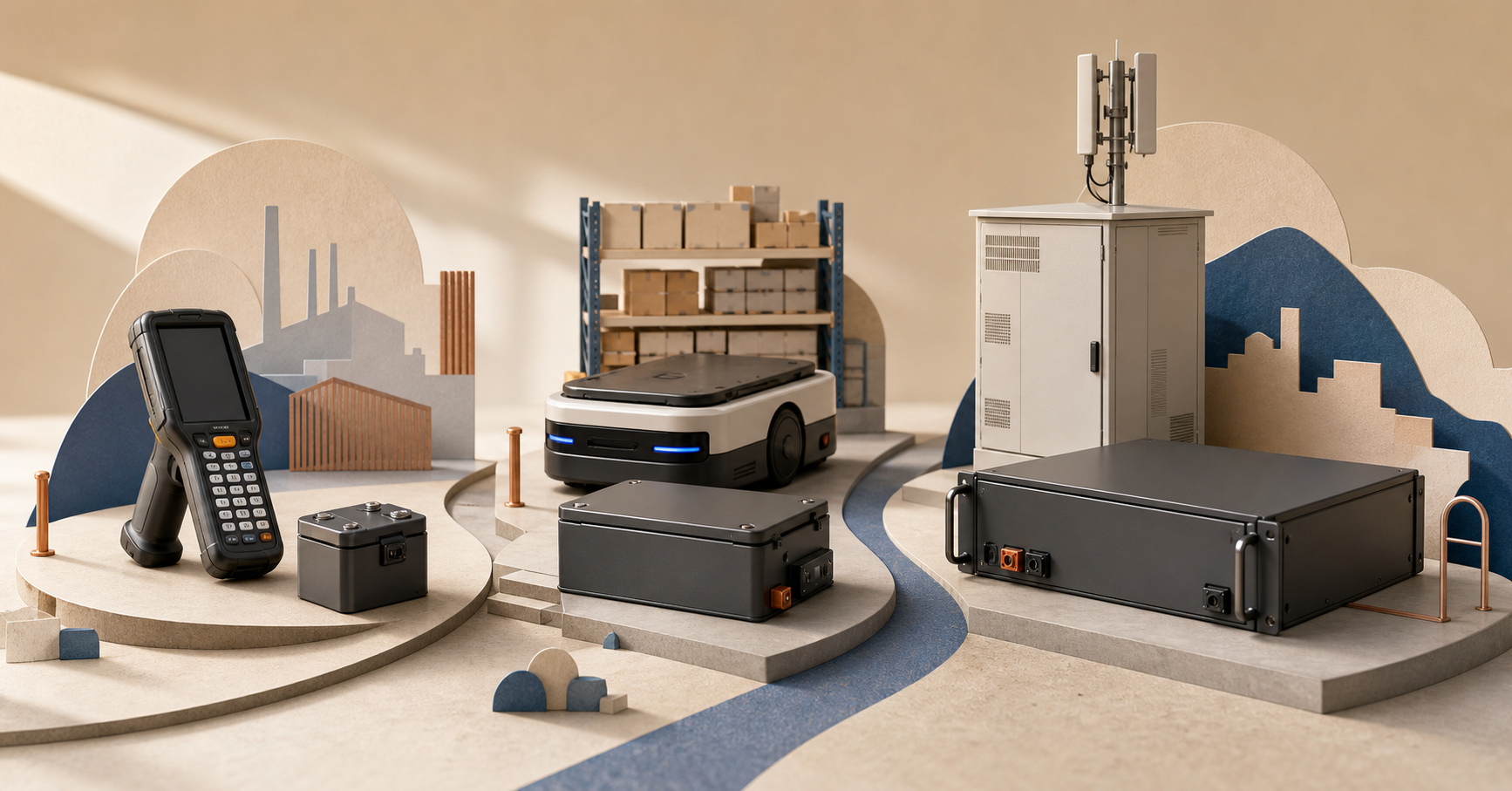
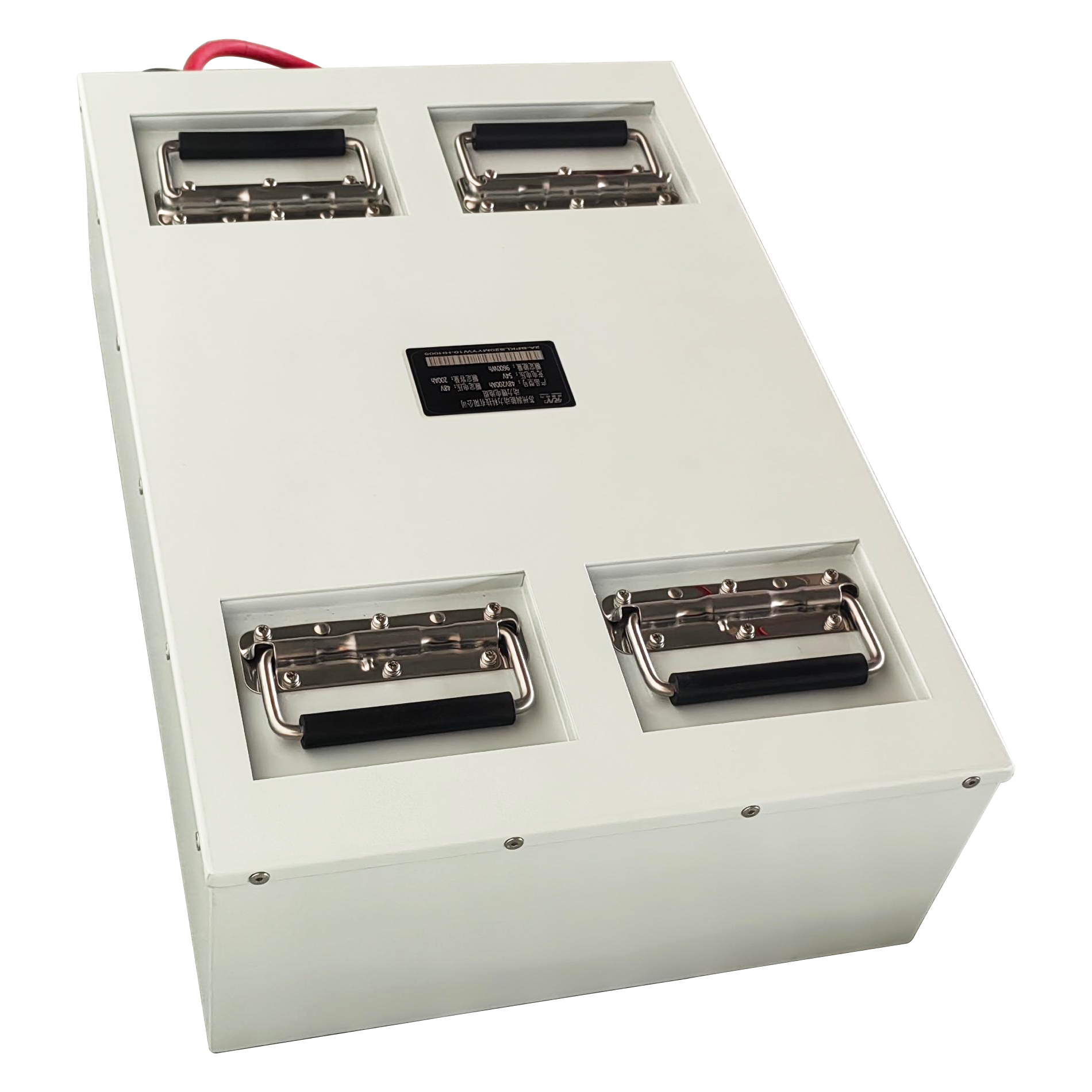
Industrial lithium batteries are more application-oriented. They typically refer to battery solutions used in industrial equipment, energy storage, AGVs, instrumentation, backup power supplies, or special terminals, emphasizing higher environmental adaptability, system integration capabilities, and long-term operational stability. Buyers who only focus on energy density may easily overlook factors that are more crucial to the success of a project, such as cycle life, low-temperature discharge, vibration conditions, BMS matching, and maintenance methods.
Quick assessment: Several common applications have different focuses.
Consumer electronics prioritize size, weight, and aesthetic consistency; utility products focus on instantaneous discharge capability; while industrial applications often prioritize reliability, lifespan, and safety. This shift in priorities necessitates a change in the selection logic.
For example, lithium polymer batteries, due to their flexible shape, are often used in products sensitive to thickness and space utilization. Their advantages are straightforward: they are easier to make thinner and more irregularly shaped, offering greater freedom in structural design. However, flexible packaging does not mean that mechanical protection can be ignored. For devices subject to drops, compression, or continuous vibration, the casing design and securing methods are often more important than the parameters listed on the battery cell's promotional materials.
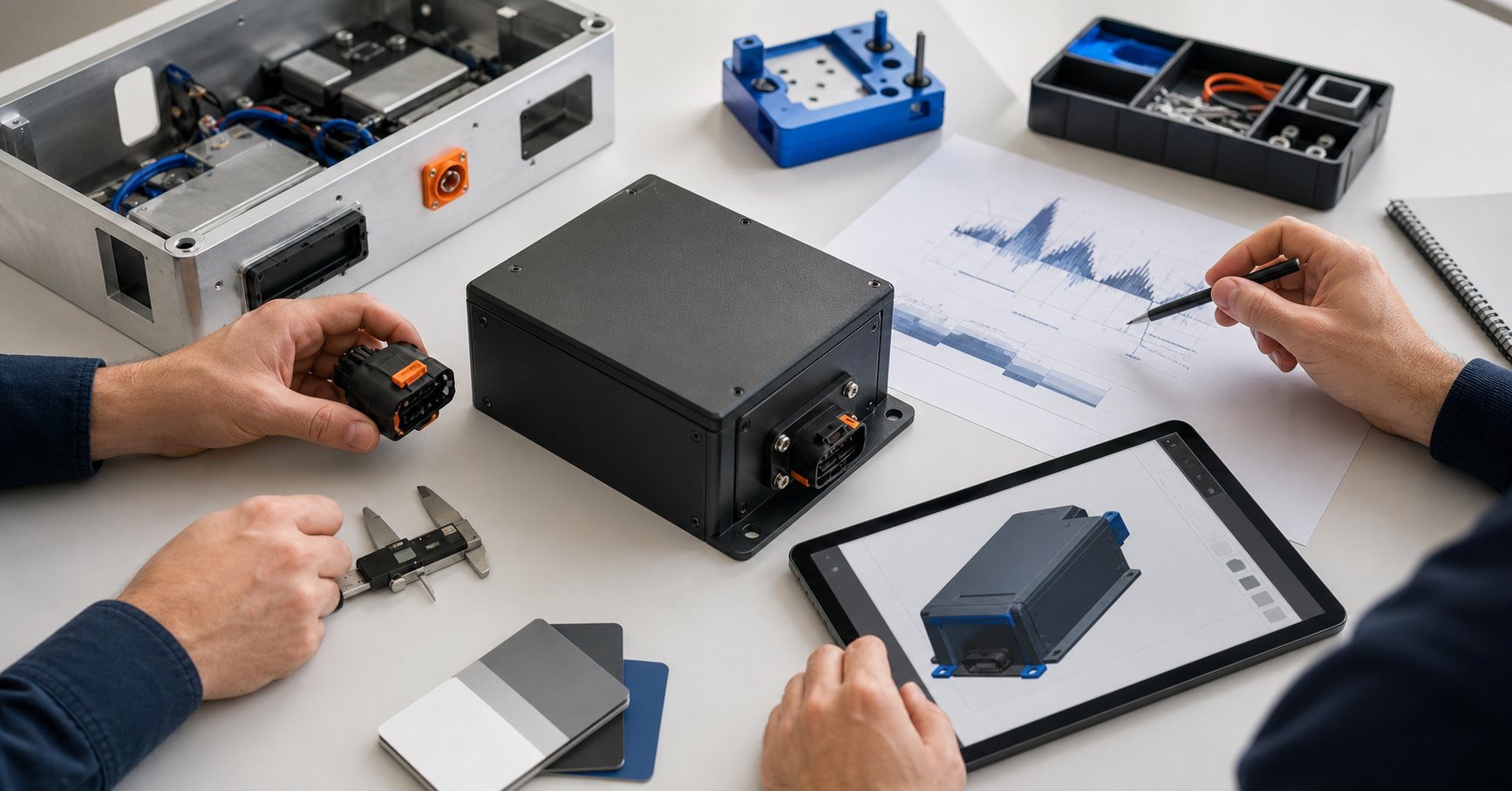
Industrial lithium batteries are typically treated more as system components than as standalone cells. Besides the battery cell itself, the BMS, thermal management, protection logic, communication interfaces, connectors, and enclosure structure all influence the final performance. A common misconception in projects is treating the battery as a "standard component," only to discover during the overall system testing phase that charge/discharge curves are mismatched, or alarm thresholds do not align with the control strategy.
The most important questions to ask when selecting a product
How harsh is the work environment?
Temperature range, humidity, dust levels, and vibration levels determine how far a battery solution can go. Just because it works in the lab doesn't mean it can operate stably in the field long-term. Especially in low-temperature environments, capacity degradation and internal resistance increases are often more pronounced than expected.
Does the discharge curve truly match the equipment?
Some devices draw a high current at startup but have low average power consumption; others operate under steady-state discharge for extended periods. The former prioritizes rate capability, while the latter focuses on capacity retention and thermal stability. If only rated capacity is considered during procurement, additional testing will likely be required later.
Are the spatial and structural constraints fixed?
Flexible, cylindrical, and prismatic battery cells each have their advantages and disadvantages; selection cannot be based solely on "which is more advanced." Once the structural space is fixed, the cell shape will, in turn, limit the overall layout. This problem is particularly common in small devices, handheld terminals, and modular industrial products.
Common mistake: Many projects get stuck here.
The first mistake is equating the parameters of a single lithium-ion battery cell directly with system performance. In practical applications, battery pack performance depends on consistency, protection board strategy, and assembly quality. The second mistake is locking in the form factor too early, ignoring subsequent supply and alternative flexibility. The third mistake is underestimating the impact of certification, transportation, and storage requirements on project timelines. Even if the product itself meets performance standards, logistics and compliance can still slow down time-to-market.
Another easily overlooked detail: good performance in the sample purchase doesn't guarantee consistency in the mass production. The engineering team should clearly define key testing conditions during the prototyping stage, including actual load, charging method, ambient temperature, and expected lifespan, rather than just providing a simple capacity requirement. This reminder may sound cliché, but many reworks begin with the "place the order first, worry about the rest later" approach.
Practical advice for purchasing and product teams
If you're working on consumer-grade thin devices, lithium polymer batteries are a good first choice, but you should also evaluate mechanical protection and thermal design. For projects involving long-term operation, complex environments, or maintenance cost sensitivity, industrial lithium batteries are more suitable, with a focus on system integration and stability. If the device requires high energy density and standardized space, prismatic or cylindrical lithium-ion battery designs are generally easier to engineer.
A more prudent approach is to treat battery selection as part of the overall device design, rather than as a final component purchase. For B2B buyers, this typically saves considerable trial-and-error costs and reduces delays caused by repeated modifications to structural, performance, and safety boundaries later on.
FAQ: Several frequently asked questions
What are the differences between lithium-ion batteries and lithium polymer batteries?
They all belong to the lithium battery system, but they differ in packaging, materials, and application focus. When selecting a model, don't just look at the name; consider the specific cell structure and overall device requirements.
Are industrial lithium batteries always better than regular lithium-ion batteries?
Not necessarily. It emphasizes industrial application and may not be suitable for all consumer electronics products. The real key is whether your application requires its system characteristics.
What is the most important thing to confirm in advance during the selection phase?
Operating temperature, discharge requirements, space dimensions, protection requirements, and batch consistency. Asking these questions upfront usually makes things much smoother later on.
What's the next step?
If you're evaluating lithium-ion battery solutions for a new project, it's best to first compile a concise requirements table: device power consumption, peak current, form factor constraints, environmental conditions, expected lifespan, and transportation requirements. Using this table to compare different cell and system solutions is more effective than simply looking at promotional specifications. A truly good battery solution isn't the one with the most impressive specifications, but rather the one that works stably in your equipment and can be delivered in large quantities.