

What Buyers Actually Need to Know About a Lithium Battery Pack
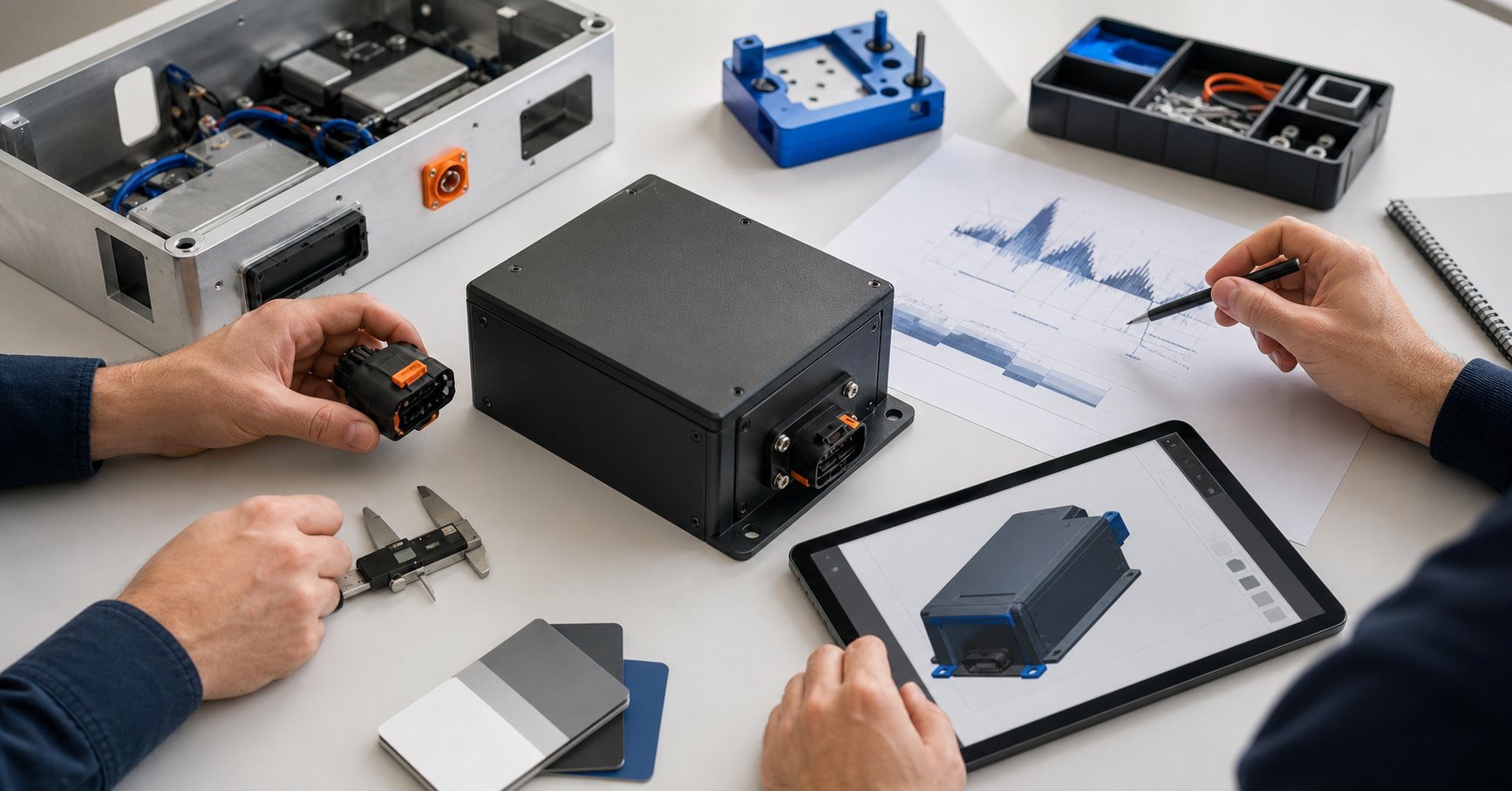
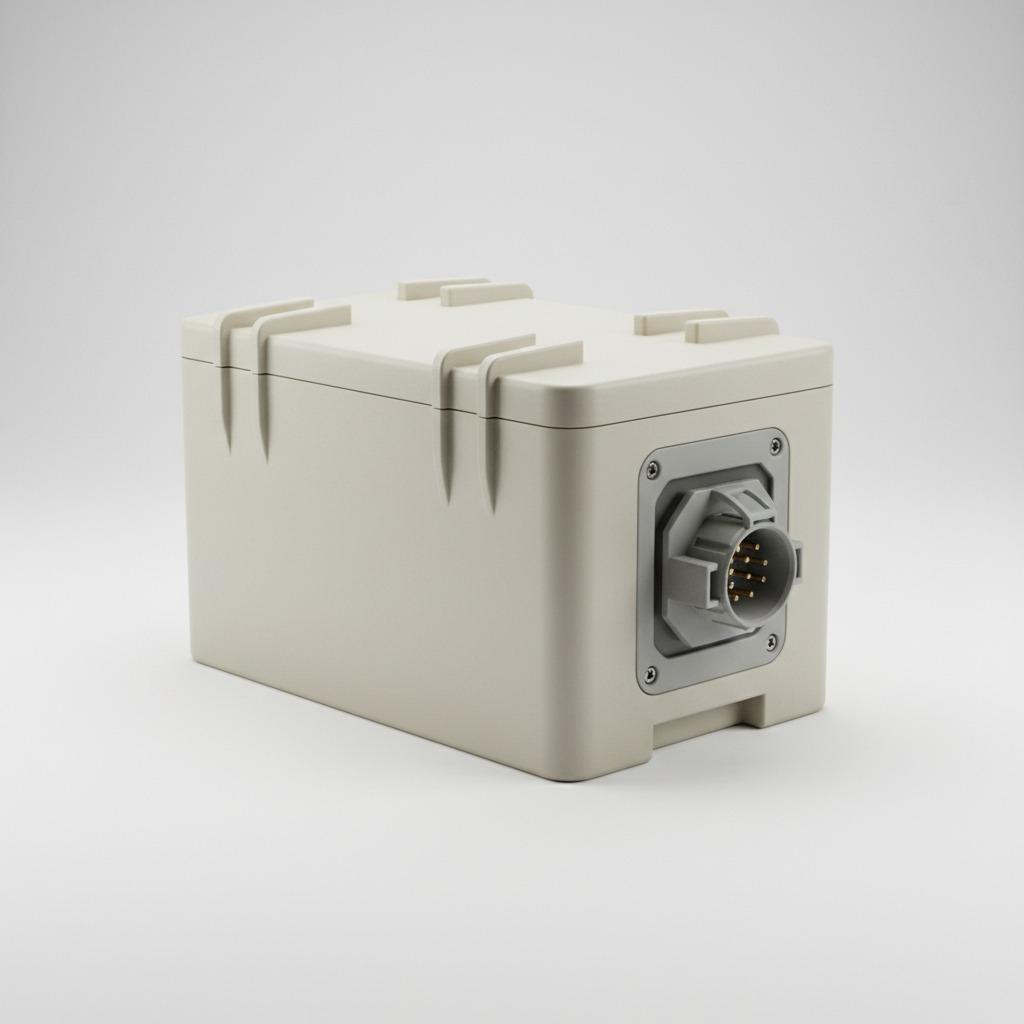
A lithium battery pack is not just a box of cells with wires attached. For engineers, sourcing managers, and product teams, it is a packaged power subsystem that has to fit the machine, survive the environment, and make maintenance simple enough that field staff will not hate it six months later. The industrial-looking unit in this brief suggests exactly that kind of use case: a compact rectangular enclosure, four top carry handles, and a side interface element that points to removable, serviceable power storage rather than a consumer battery.

That matters because the wrong pack creates problems in three places at once. It can fail mechanically when lifted or moved, it can complicate integration if the enclosure or connector layout is awkward, and it can raise safety and service concerns if the system is not built for industrial handling. When buyers search for a lithium battery pack, they are usually not shopping for chemistry alone. They are deciding how the pack will be installed, protected, charged, replaced, and documented.
Why the Enclosure Design Matters as Much as the Cells
Visible construction details often tell you more than a spec sheet fragment. A rigid light-colored housing, rounded corners, visible fasteners, and integrated handles suggest a design aimed at repeated handling and controlled installation. In practice, that is a strong sign the pack is intended for equipment rooms, mobile machinery, backup systems, or other settings where technicians need a safe grip and a predictable footprint.
For industrial buyers, the outer box is not decoration. It is part of the product’s reliability. A well-built enclosure helps protect internal components from vibration, accidental contact, and day-to-day service abuse. If the unit is moved in and out of a cabinet or machine bay, those recessed handles are not a nice-to-have; they are a practical feature that can reduce damage during installation.
Custom Lithium Battery vs Standard Pack
Many sourcing teams start by asking whether they need a standard module or a custom lithium battery. The answer usually depends on the system boundary. If the equipment has fixed dimensions, fixed connectors, and a known duty cycle, a standard pack can be efficient. If the enclosure has to fit a machine compartment, connect to proprietary harnessing, or support a specific service procedure, custom work becomes more realistic.
That custom path can include the housing, cable routing, connector placement, labeling, and mechanical reinforcement. It may also include requirements for low temperature lithium battery performance if the pack has to operate in cold warehouses, outdoor equipment, or winter service conditions. The caution here is simple: low-temperature claims should be verified with actual test data, not assumed from a product name or brochure line.
Common Industrial Use Cases
An enclosed lithium battery pack like the one described is often used where dependable DC power must be stored in a compact, liftable module. Typical applications include backup power systems, portable industrial power, robotics, marine or vehicle auxiliary systems, and energy storage modules for equipment that needs service access.
In these settings, packaging decisions affect uptime. A unit with clear handling points and a robust cabinet can reduce swap time. A unit with an exposed or awkward connector layout can do the opposite. That may sound minor until a maintenance crew has to replace a module in a cramped space, on a deadline, with one hand on a light and the other on the pack.
Selection Criteria That Buyers Should Push on Early
1. Mechanical fit
Check footprint, height, handle clearance, and service access. A pack that is technically suitable but hard to move will cost more in the field than it saves on paper.
2. Electrical integration
Look at connector type, cable exit position, and how the pack interfaces with chargers, controllers, or downstream loads. The visible red side connector on the sample unit suggests the interface is important, but the exact function cannot be assumed without the specification sheet.
3. Environmental and safety expectations
Do not mix up a sealed enclosure with verified environmental performance. Buyers should confirm the real operating limits, sealing level, thermal behavior, and required protections before committing to production.
4. Serviceability
Industrial buyers should ask how the pack is lifted, replaced, labeled, and inspected. This is where a custom lithium battery assembly can be worth the extra effort, because the service workflow is part of the product.
Common Mistakes in Battery Pack Sourcing
The most common mistake is treating every lithium battery pack like an interchangeable commodity. Another is specifying only capacity and voltage while ignoring enclosure geometry, connector orientation, and handling method. A third, and it happens often, is assuming the enclosure tells you the whole story. It does not. You still need clarity on chemistry, internal architecture, thermal management, and the actual test regime.
One practical warning: do not accept marketing language in place of documentation, especially if the unit is supposed to perform in cold conditions. If a supplier says an industrial lithium battery is suitable for low-temperature use, ask what that means in real operating terms and what evidence supports it.
What to Ask a Supplier Before You Commit
Ask for the pack’s verified electrical ratings, mechanical dimensions, connector details, enclosure construction, and service instructions. If the unit is custom-built, ask which elements are standardized and which can be modified. That helps you separate a true custom lithium battery program from a stock enclosure with a new label.
If your application involves repeated lifting, transport, or field replacement, request details on handle design and access clearances. The four integrated handles visible on the described unit are a good sign, but the buyer still needs to know whether they are meant for occasional service or frequent handling.
Next Step for Engineers and Sourcing Teams
Start with the system requirements, not the battery chemistry alone. Define the enclosure size, service method, connector layout, operating environment, and replacement routine. Then evaluate whether a standard module is enough or whether a custom lithium battery pack makes more sense for your equipment.
If you are comparing options for industrial power storage, ask for a drawing, electrical summary, and a clear explanation of the pack’s handling and integration features. That is usually the fastest way to turn a vague power requirement into a buildable specification.