

When customers evaluate a battery system, they often focus on specifications first—voltage, capacity, discharge rate, and cycle life.
But in industrial applications, those numbers only tell part of the story.
The real difference between a battery that performs consistently for years and one that creates repeated maintenance problems is often decided much earlier—inside the factory itself.
This is why choosing the right industrial battery pack factory matters far more than simply comparing battery parameters.
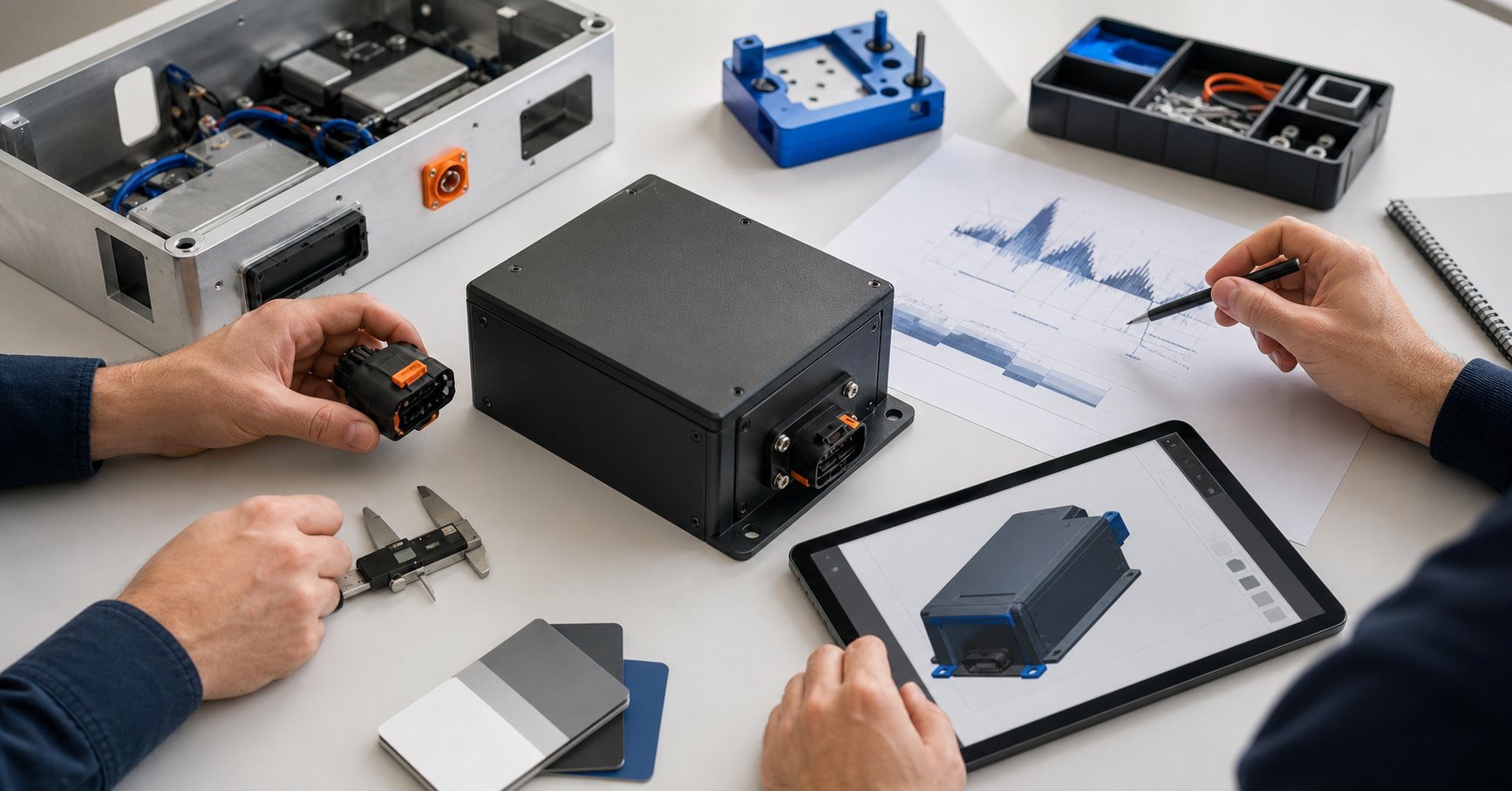
At eDailyMag, we see battery manufacturing as a controlled engineering process, not just assembly work. From cell matching to welding accuracy, thermal design, BMS integration, and final testing, every production step directly affects long-term system reliability.
A good battery pack starts long before the customer receives it.
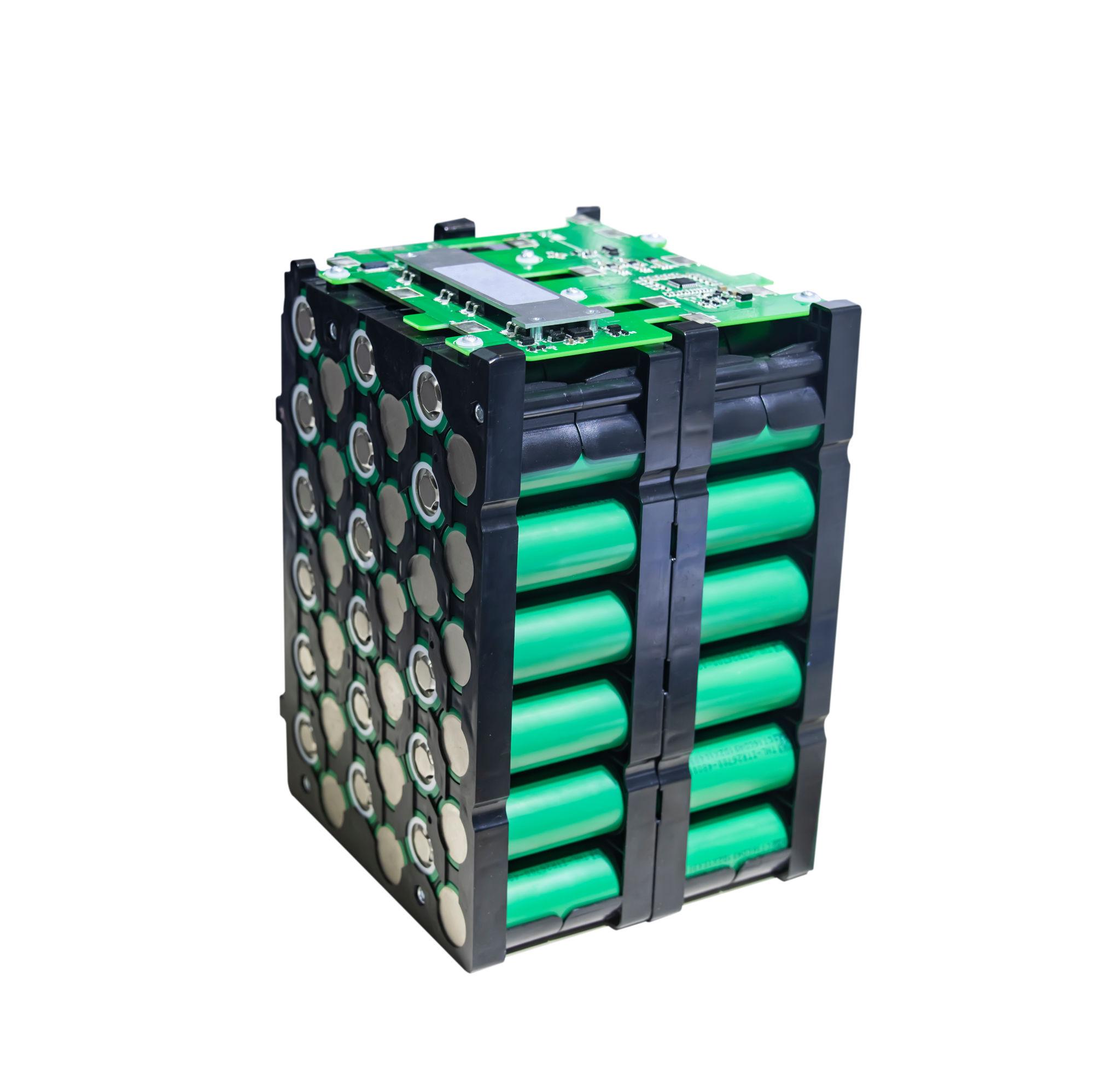
Cell Selection and Internal Structure Define Production Quality
A professional factory begins with raw material control.
Even when using the same lithium chemistry, battery performance can vary significantly if cell consistency is not properly managed.
At eDailyMag, production starts with:
- precise cell grading and matching
- internal resistance deviation controlled within ≤2%
- capacity deviation control for balanced charge-discharge behavior
- voltage consistency verification before pack assembly
Typical battery systems include:
- LiFePO4 cells for industrial applications requiring long cycle life
- NMC cells for compact, high energy density systems
- customized voltage systems such as 24V / 48V / 72V / 96V
Structural design includes:
- copper or nickel busbar conductivity optimization
- reinforced insulation spacing
- thermal management channels
- modular pack layouts for easier maintenance
According to the International Energy Agency, industrial battery systems increasingly prioritize lifecycle stability and safe thermal performance over maximum theoretical capacity.
https://www.iea.org/reports/global-ev-outlook
Factory discipline determines whether those priorities become reality.
Manufacturing Process Control: Where Consistency Is Built
A reliable industrial battery pack factory is defined by repeatability.
At eDailyMag, production focuses on:
- Automated spot welding precision
Ensuring low resistance and stable current transfer - Busbar connection quality control
Preventing localized overheating - BMS installation and calibration
Matching protection thresholds to actual system requirements - Charge-discharge testing before shipment
Verifying pack performance under real conditions - Aging tests and final inspection
Detecting hidden defects before delivery
This process ensures that every battery pack performs like the tested prototype—not just the first one.
Case Insight: Solving Batch Inconsistency for Warehouse Equipment
A customer producing warehouse transport equipment faced an unusual problem: identical devices were showing different runtime performance across production batches.
The root cause was traced back to inconsistent battery packs from multiple small suppliers.
Our team standardized the system by:
- implementing strict cell matching standards
- redesigning pack layout for balanced discharge
- introducing full charge-discharge testing before delivery
After switching to factory-controlled production:
- runtime consistency improved significantly
- customer complaints related to battery replacement decreased
- after-sales service costs were reduced
This was not a chemistry problem—it was a manufacturing problem.
Performance Comparison: Small Supplier vs Industrial Battery Pack Factory
| Parameter | Small Assembly Supplier | Industrial Battery Pack Factory |
|---|---|---|
| Cell Matching Accuracy | ±5–8% | ≤±2% |
| Welding Consistency | Variable | Controlled automated process |
| Cycle Life Stability | Unpredictable | Consistent across batches |
| BMS Calibration | Basic | Application-specific |
| Final Testing | Limited | Full inspection + aging |
| Maintenance Frequency | Higher | Lower |
| OEM Customization | Limited | Full engineering support |
These differences directly affect warranty cost, system uptime, and customer trust.
Safety Engineering and Global Compliance
Factory-level safety design is critical for industrial battery systems.
Reliable production includes:
- overcharge and over-discharge protection
- overcurrent and short-circuit cutoff
- temperature monitoring across multiple points
- active balancing for cell consistency
- reinforced housing for transport and vibration protection
The International Electrotechnical Commission provides global standards for battery system safety and electrical compliance.
https://www.iec.ch
Typical certification requirements include:
- UN38.3 for transportation
- CE certification
- MSDS documentation
- market-specific compliance depending on project requirements
These certifications ensure both safety and smooth international delivery.
Application Scenarios for Industrial Battery Pack Manufacturing
A professional industrial battery pack factory supports many sectors:
- AGV / RGV logistics systems
- forklifts and warehouse transport vehicles
- energy storage systems
- industrial automation equipment
- medical and diagnostic devices
- electric mobility and utility vehicles
Each application demands different voltage windows, discharge behavior, and lifecycle expectations.
This is why factory-level customization matters.
FAQs
What makes an industrial battery pack factory different from a normal supplier?
A factory controls the full production process, ensuring consistency, safety, and OEM engineering support.
How important is cell matching in industrial battery systems?
Extremely important. Poor matching causes imbalance, shorter lifespan, and unstable runtime.
Can factory-produced battery packs be customized for specific equipment?
Yes. Voltage, capacity, BMS, housing, and connectors can all be tailored for OEM projects.
Reliable Power Systems Start With Reliable Manufacturing
Battery performance is not created by specifications alone—it is created by disciplined manufacturing.
Choosing the right industrial battery pack factory means choosing consistency, safer operation, and lower long-term operational cost.
At eDailyMag, we provide OEM battery solutions built on controlled production, engineering precision, and flexible customization for industrial applications.
Explore our battery manufacturing capabilities here:
https://www.edailymag.com/
Contact our engineering team for customized battery pack development and factory support:
https://www.edailymag.com/contact-us
Because in industrial systems, reliability starts on the production line.
Industrial Battery Pack Factory: Where Reliable Battery Performance Begins
When customers evaluate a battery system, they often focus on specifications first—voltage, capacity, discharge rate, and cycle life.
But in industrial applications, those numbers only tell part of the story.
The real difference between a battery that performs consistently for years and one that creates repeated maintenance problems is often decided much earlier—inside the factory itself.
This is why choosing the right industrial battery pack factory matters far more than simply comparing battery parameters.
At eDailyMag, we see battery manufacturing as a controlled engineering process, not just assembly work. From cell matching to welding accuracy, thermal design, BMS integration, and final testing, every production step directly affects long-term system reliability.
A good battery pack starts long before the customer receives it.
Cell Selection and Internal Structure Define Production Quality
A professional factory begins with raw material control.
Even when using the same lithium chemistry, battery performance can vary significantly if cell consistency is not properly managed.
At eDailyMag, production starts with:
- precise cell grading and matching
- internal resistance deviation controlled within ≤2%
- capacity deviation control for balanced charge-discharge behavior
- voltage consistency verification before pack assembly
Typical battery systems include:
- LiFePO4 cells for industrial applications requiring long cycle life
- NMC cells for compact, high energy density systems
- customized voltage systems such as 24V / 48V / 72V / 96V
Structural design includes:
- copper or nickel busbar conductivity optimization
- reinforced insulation spacing
- thermal management channels
- modular pack layouts for easier maintenance
According to the International Energy Agency, industrial battery systems increasingly prioritize lifecycle stability and safe thermal performance over maximum theoretical capacity.
https://www.iea.org/reports/global-ev-outlook
Factory discipline determines whether those priorities become reality.
Manufacturing Process Control: Where Consistency Is Built
A reliable industrial battery pack factory is defined by repeatability.
At eDailyMag, production focuses on:
- Automated spot welding precision
Ensuring low resistance and stable current transfer - Busbar connection quality control
Preventing localized overheating - BMS installation and calibration
Matching protection thresholds to actual system requirements - Charge-discharge testing before shipment
Verifying pack performance under real conditions - Aging tests and final inspection
Detecting hidden defects before delivery
This process ensures that every battery pack performs like the tested prototype—not just the first one.
Case Insight: Solving Batch Inconsistency for Warehouse Equipment
A customer producing warehouse transport equipment faced an unusual problem: identical devices were showing different runtime performance across production batches.
The root cause was traced back to inconsistent battery packs from multiple small suppliers.
Our team standardized the system by:
- implementing strict cell matching standards
- redesigning pack layout for balanced discharge
- introducing full charge-discharge testing before delivery
After switching to factory-controlled production:
- runtime consistency improved significantly
- customer complaints related to battery replacement decreased
- after-sales service costs were reduced
This was not a chemistry problem—it was a manufacturing problem.
Performance Comparison: Small Supplier vs Industrial Battery Pack Factory
| Parameter | Small Assembly Supplier | Industrial Battery Pack Factory |
|---|---|---|
| Cell Matching Accuracy | ±5–8% | ≤±2% |
| Welding Consistency | Variable | Controlled automated process |
| Cycle Life Stability | Unpredictable | Consistent across batches |
| BMS Calibration | Basic | Application-specific |
| Final Testing | Limited | Full inspection + aging |
| Maintenance Frequency | Higher | Lower |
| OEM Customization | Limited | Full engineering support |
These differences directly affect warranty cost, system uptime, and customer trust.
Safety Engineering and Global Compliance
Factory-level safety design is critical for industrial battery systems.
Reliable production includes:
- overcharge and over-discharge protection
- overcurrent and short-circuit cutoff
- temperature monitoring across multiple points
- active balancing for cell consistency
- reinforced housing for transport and vibration protection
The International Electrotechnical Commission provides global standards for battery system safety and electrical compliance.
https://www.iec.ch
Typical certification requirements include:
- UN38.3 for transportation
- CE certification
- MSDS documentation
- market-specific compliance depending on project requirements
These certifications ensure both safety and smooth international delivery.
Application Scenarios for Industrial Battery Pack Manufacturing
A professional industrial battery pack factory supports many sectors:
- AGV / RGV logistics systems
- forklifts and warehouse transport vehicles
- energy storage systems
- industrial automation equipment
- medical and diagnostic devices
- electric mobility and utility vehicles
Each application demands different voltage windows, discharge behavior, and lifecycle expectations.
This is why factory-level customization matters.
FAQs
What makes an industrial battery pack factory different from a normal supplier?
A factory controls the full production process, ensuring consistency, safety, and OEM engineering support.
How important is cell matching in industrial battery systems?
Extremely important. Poor matching causes imbalance, shorter lifespan, and unstable runtime.
Can factory-produced battery packs be customized for specific equipment?
Yes. Voltage, capacity, BMS, housing, and connectors can all be tailored for OEM projects.
Reliable Power Systems Start With Reliable Manufacturing
Battery performance is not created by specifications alone—it is created by disciplined manufacturing.
Choosing the right industrial battery pack factory means choosing consistency, safer operation, and lower long-term operational cost.
At eDailyMag, we provide OEM battery solutions built on controlled production, engineering precision, and flexible customization for industrial applications.
Explore our battery manufacturing capabilities here:
https://www.edailymag.com/
Contact our engineering team for customized battery pack development and factory support:
https://www.edailymag.com/contact-us
Because in industrial systems, reliability starts on the production line.