

Industrial B2B Lead Development Strategies: Why Old Methods No Longer Work
Industrial B2B lead development strategies are fundamentally different from consumer marketing in a suit. Engineers, purchasing managers, and product teams aren't interested in empty promises or fancy marketing funnels. What they need is evidence, fit, and a reason for ongoing communication. If your company sells machined parts, components, or technical products, the real task isn't simply building a customer list, but attracting buyers who can truly drive projects forward.
This is crucial because industrial procurement cycles are long, and there are numerous internal stakeholders; a poorly defined sales lead can waste weeks of sales time. Someone downloading a product brochure might be researching future battery storage system setups, service upgrades, or casing replacements, but that doesn't mean they're ready to buy. The key is to build an effective lead engine that differentiates between initially interested customers and those with genuine purchase intent, while avoiding losing customers who need time to validate their solutions.
Starting from the buyer's actual decision-making process
An effective lead generation plan should begin from the buyer's perspective: application scenario, risk tolerance, and purchasing preferences. In the industrial market, the primary question is often not "What do you want to buy?", but rather "What problem do you want to solve? What are the consequences of choosing the wrong product?" This is why lead generation pages built around a single specification sheet often fail to perform well. They fail to answer the real questions.
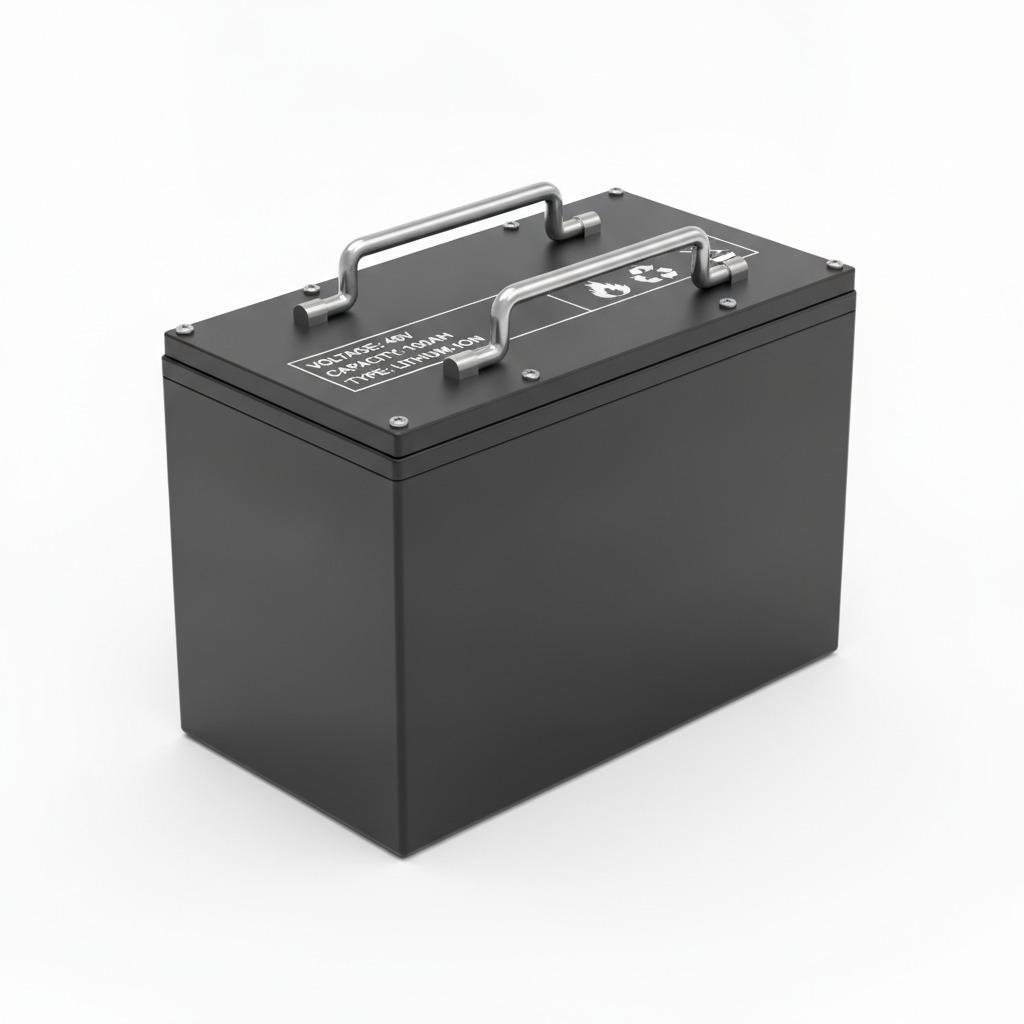
For example, if the product is a rectangular battery module housing for lithium-ion batteries, buyers might be more concerned with the housing's structure, ease of handling and maintenance, and surrounding safety warnings than with fancy sales pitches. They might be comparing energy storage solutions for backup power, mobile systems, off-grid devices, or industrial equipment. Selling points that attract potential customers should reflect this reality.
Still a valid source of quick reference clues
Not every channel deserves the same budget, and industrial marketers sometimes pay a heavy price for it. Some channels drive sales, while others create more relevant sales opportunities.
Technical content that can answer practical purchasing questions
This includes application notes, selection guides, and comparison articles. The best versions are all tailored to specific situations. A buyer browsing a battery casing manufacturing guide wants to understand what sheet metal construction means for durability, maintainability, and integration, not just general "quality."
Sales assets that reduce back-and-forth communication
Dimensional drawings, installation instructions, material overviews, and installation precautions are often more effective at attracting customer inquiries than vague promotional materials. Purchasing teams and engineers highly value any information that helps them identify problems early and eliminate mismatches.
Increase brand exposure on platforms where your target audience has already read your content.
Magazines targeting purchasing managers and other niche industry media continue to outperform broad-reaching digital advertising because they reach readers in the evaluation phase. The same logic applies to specialized newsletters and forums whose audiences are actively comparing suppliers.
What can replace generic paid content?
A common mistake is setting content barriers too early. If the content is too limited, people won't exchange contact information; if the content is too broad, the quality of potential customers will be too low. The best approach is to create content that is both practical and highly targeted.
Free-market white papers can be helpful, but only if they don't just offer market commentary. Buyers need guidance to help them decide whether to contact sales. A good white paper should cover application trends, typical casing design considerations, and the procurement risks of battery components. It should be something a qualified engineer could circulate internally without embarrassment.
This also means being cautious when making any claims. If you don't understand battery capacity, voltage, or internal cell structure, don't hint at these details. Buyers in this field are extremely sensitive to any oversights.
How to improve the quality of sales leads without massively disseminating sales information
Not all inquiries require immediate follow-up from a sales engineer. More effective industrial B2B lead development strategies typically involve some qualification screening before handover.
Ask the buyer whether they are evaluating a new design, replacing existing equipment, or comparing different suppliers. Inquire about their application context. A company seeking direct supply from a reliable B2B manufacturer may already have a clear understanding of its needs, while another may still be screening basic options. These two types of potential clients should not enter the same process.
A practical tip: Don't let forms become obstacles. If forms require too many fields, especially in the early stages, traffic will be lost. Only ask for information that helps intelligently guide potential customers.
Product details, when used properly, can be a powerful tool for attracting potential customers.
The more tangible the product, the better the marketing effect. The dark metal casing, matte black coating, surrounding fasteners, top handle, and sealed lid all indicate that this is a meticulously crafted product, not just ordinary merchandise packaging. These kinds of details are crucial because they convey the product's ease of use and intended purpose to buyers.
For battery module housings, practical questions typically include: Is the device portable or stationary? Does the base support installation? Is the top cover easy to open and maintain? Even if the answers to these questions aren't entirely obvious, honesty in acknowledging the unknown builds trust. Industrial buyers value this more than exaggerated claims.
Common mistakes in wasting valuable data
The first mistake is writing content for search engines, not buyers. The second mistake is assuming every visitor is ready for a quote. The third mistake is sacrificing relevance for the sake of quantity. In industrial markets, one highly relevant inquiry is more valuable than twenty random downloads.
Another common problem is using generic copy across different product categories. For example, a battery casing buyer won't respond to the same copy used for office equipment or consumer electronics. The purchasing logic is different, the risk profile is different, and the questions asked will also differ.
What would be a practical and feasible next step?
If you are revising your requirements plan, start with a strong technical asset and a clear certification path. Use a problem-solving article or white paper alongside a table that includes the application type, project phase, and procurement timeline. Then, hand over leads to people who can communicate in the buyer's language.
This approach won't immediately lead to increased sales, but that's okay. Industrial sales rarely show results so quickly. It only works when the marketing team respects the buyer's purchasing process, the content is specific and practical enough, and the supplier can honestly answer technical questions.
If you're willing, the next step is usually quite simple: review your current offers, identify which ones will help buyers choose from among the many suppliers, and then cut the rest. The market is already rife with noise.