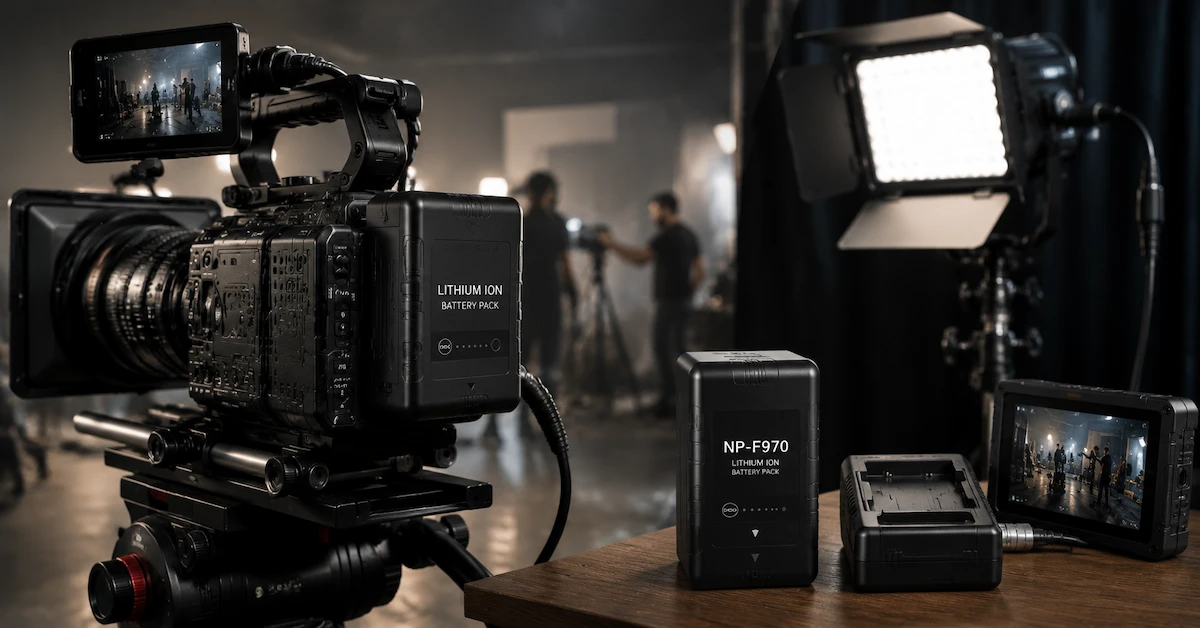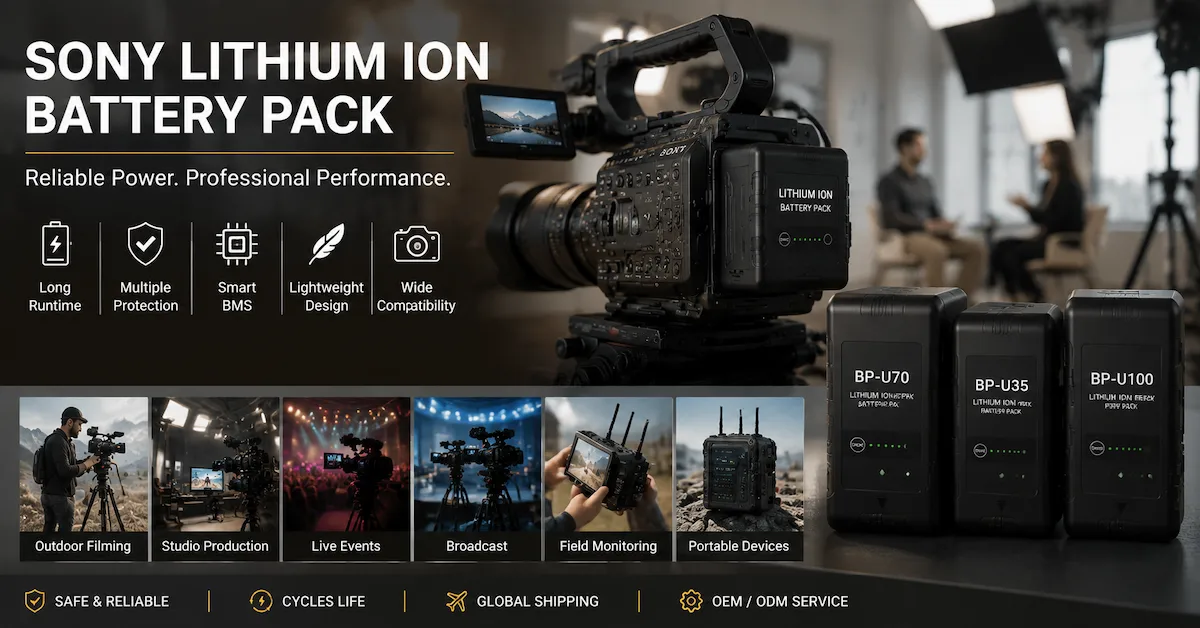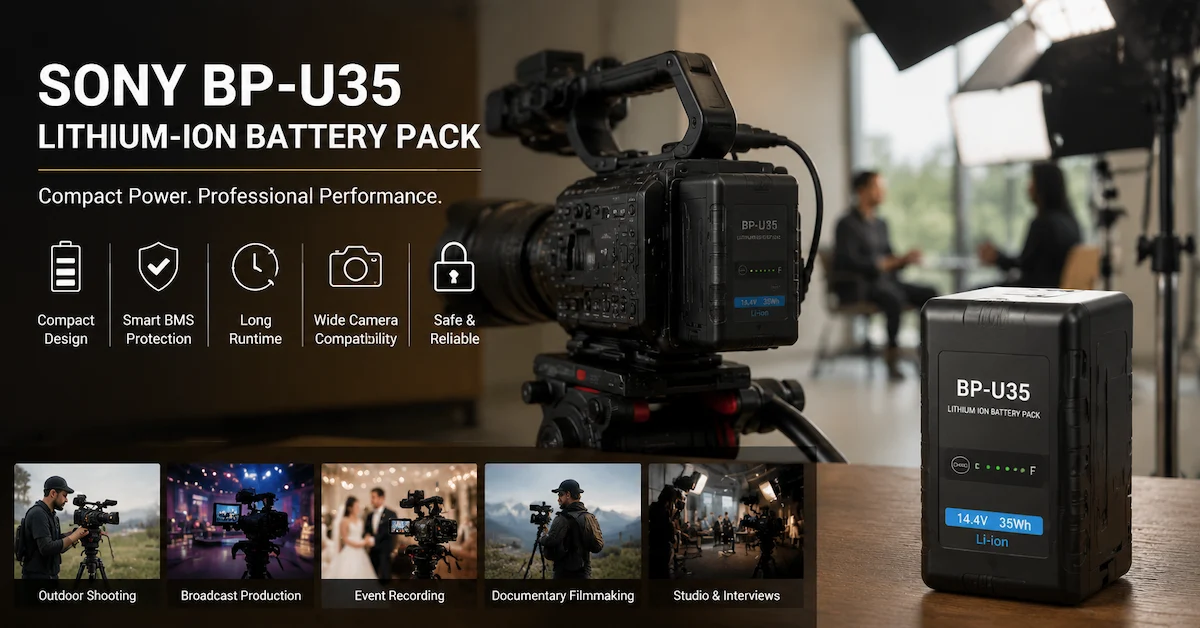


A power pack lithium battery is a rechargeable energy solution designed to provide stable power for portable devices, outdoor equipment, industrial tools, emergency systems, field instruments, and OEM products. Compared with traditional lead-acid batteries, lithium battery power packs are lighter, more compact, more efficient, and easier to integrate into modern equipment.
For B2B buyers, choosing the right power pack lithium battery is not only about voltage or capacity. The battery must match the device’s real working conditions, discharge current, charging method, BMS protection, housing design, connector structure, safety requirements, and mass production standards.
As a new energy battery solution provider, eDailyMag supports custom lithium battery pack development for portable devices, industrial equipment, cold-chain systems, power monitoring devices, and OEM applications. Buyers can explore available lithium battery pack options on the Products page or learn more about design, sample development, quality control, packaging, and logistics support through the Services page.
Quick Answer: What Is a Power Pack Lithium Battery?
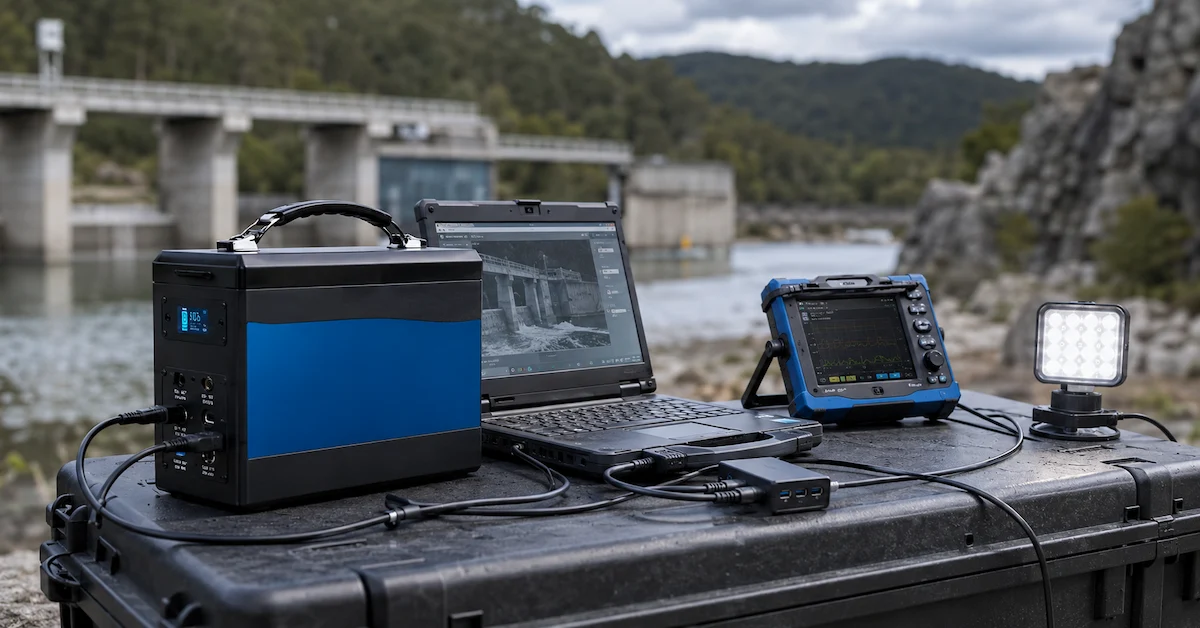
A power pack lithium battery is a complete lithium battery system that stores and delivers electrical energy for a specific device or application. It usually includes lithium cells, BMS protection, wiring, connectors, housing, charging interface, and sometimes display, communication, or output ports.
A reliable power pack lithium battery should provide:
- Stable voltage output
- Suitable capacity and runtime
- Safe charging and discharging
- BMS protection
- Correct connector and cable design
- Durable housing
- Application-matched discharge current
- Consistent quality for batch production
For OEM buyers, the best lithium battery power pack is not the one with the highest capacity on the label. It is the one that fits the equipment safely and performs consistently in real use.
Who Needs a Power Pack Lithium Battery?
A power pack lithium battery is suitable for many B2B and OEM applications.
| Buyer Type | Main Requirement |
|---|---|
| Outdoor equipment brands | Portable power for camping, lighting, coolers, and tools |
| Industrial equipment manufacturers | Stable battery packs for mobile devices and machines |
| Cold-chain equipment companies | Backup or portable power for fridge/freezer systems |
| Power monitoring system suppliers | Reliable battery packs for remote monitoring devices |
| Automotive accessory brands | Emergency power and jump starter applications |
| Tool and equipment distributors | Replacement or compatible battery pack products |
| Private-label brands | Custom housing, logo, packaging, and product positioning |
| OEM project buyers | Battery design matched to device structure and load |
For these buyers, battery selection directly affects product reliability, customer experience, and after-sales cost.
Main Applications of Power Pack Lithium Batteries
1. Portable Outdoor Power
Outdoor users need power for lighting, portable coolers, cameras, communication devices, speakers, fans, and emergency electronics. A lithium battery power pack can provide longer runtime while remaining easier to carry than traditional batteries.
For this market, buyers should focus on portability, charging options, housing durability, output ports, and battery indicator design.
2. Industrial Field Equipment
Inspection tools, mobile instruments, communication devices, sensors, and maintenance systems often need stable battery power in remote or temporary work environments.
For industrial use, buyers should pay attention to discharge current, rugged housing, connector reliability, temperature range, and long-term stability.
3. Cold-Chain and Portable Cooling Systems
Portable fridge/freezer systems and cold-chain equipment need stable power to protect food, samples, medicine, or temperature-sensitive goods.
In this application, the power pack lithium battery must support compressor startup current, low-voltage protection, long runtime, and safe charging during transport.
4. Emergency and Backup Power
Lithium power packs are commonly used for emergency lighting, car jump starters, rescue tools, portable medical devices, and backup systems.
For emergency use, the product must be easy to operate, safe to store, and reliable after long standby periods.
5. OEM Portable Energy Products
Many brands want to develop their own power pack lithium battery product for outdoor retail, industrial equipment, vehicle accessories, or professional devices.
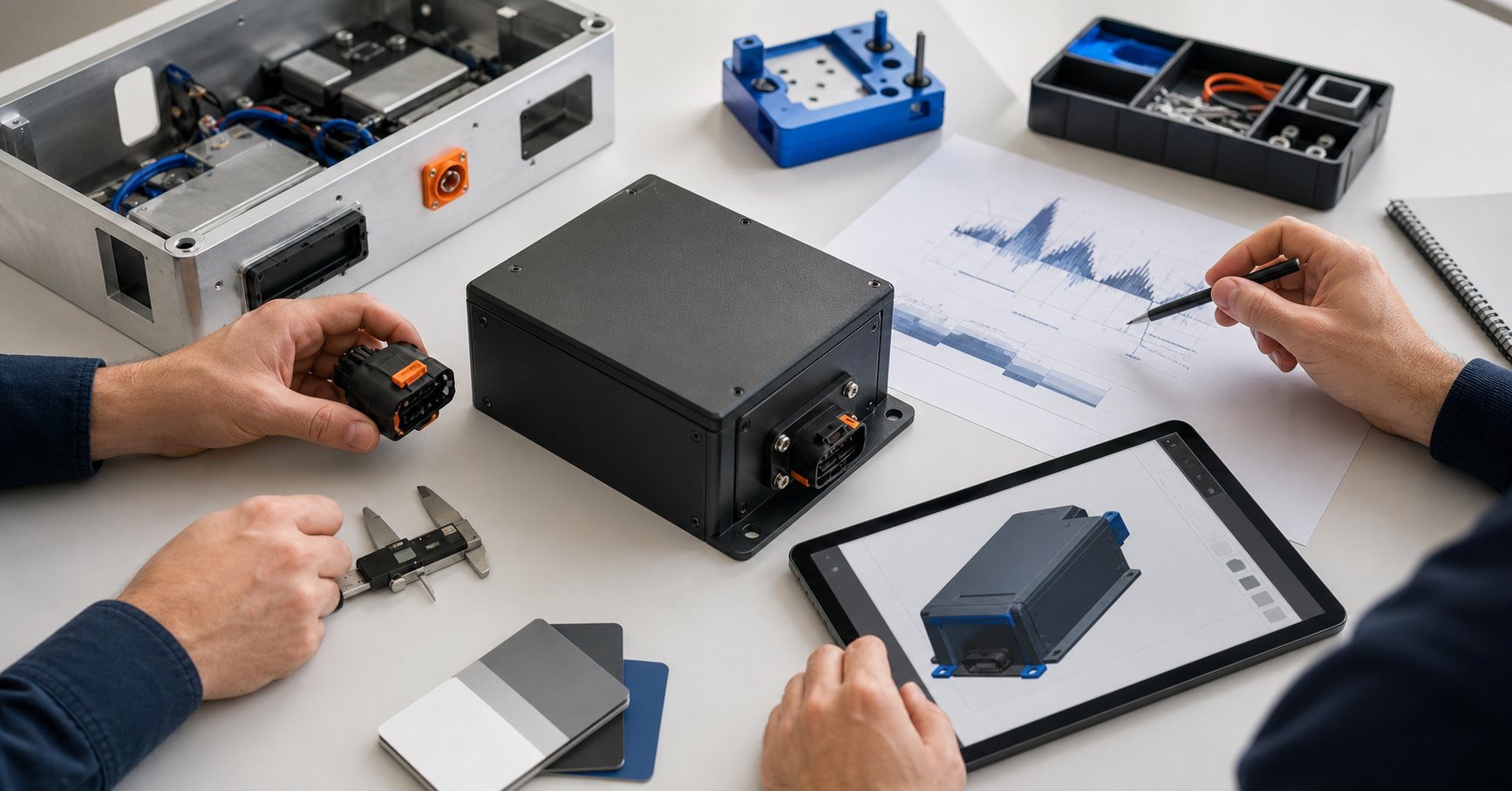
OEM customization may include voltage, capacity, BMS, connector, cable, housing, output port, display panel, logo, label, and packaging.
Key Specifications Buyers Should Check
Before sourcing or customizing a power pack lithium battery, buyers should confirm the following specifications.
| Specification | Why It Matters |
| Nominal voltage | Must match the target equipment |
| Rated capacity | Affects runtime |
| Wh energy | Helps compare total stored energy |
| Battery chemistry | Affects safety, cycle life, weight, and cost |
| BMS protection | Protects against overcharge, over-discharge, overcurrent, short circuit, and temperature issues |
| Continuous discharge current | Determines whether the battery can support normal load |
| Peak current | Important for motors, compressors, pumps, and startup loads |
| Charging method | Affects user convenience and field operation |
| Connector and cable | Must match current, installation, and safety needs |
| Housing structure | Affects durability, portability, and integration |
| Operating temperature | Important for outdoor, cold-chain, and industrial applications |
| Packaging and shipping | Lithium batteries require suitable packaging and logistics planning |
For B2B projects, these specifications should be confirmed before quotation and sample production.
12V, 24V, 48V or Custom Voltage: Which Is Better?
Different applications need different voltage platforms.
| Voltage Platform | Common Applications | Advantage |
| 12V lithium power pack | Portable coolers, car accessories, camping devices | Easy to integrate with common DC devices |
| 24V lithium power pack | Field equipment, mobile devices, medium-power systems | Better efficiency for larger loads |
| 48V lithium power pack | Industrial equipment, automation, mobile power systems | Suitable for higher-power applications |
| Custom voltage | OEM equipment and special projects | Better fit for device design |
Buyers should not select voltage only by price. The correct voltage depends on the device system, charger, cable design, current demand, and safety margin.
Why BMS Protection Is Critical
A power pack lithium battery stores significant energy. Without proper protection, battery failure can cause safety risks, equipment shutdown, short life, or customer complaints.
A professional BMS may include:
- Overcharge protection
- Over-discharge protection
- Overcurrent protection
- Short-circuit protection
- Temperature protection
- Cell balancing
- Charging and discharging control
- Communication functions such as RS485 or CAN when needed
For industrial and smart equipment, communication functions can help the device monitor battery status, SOC, voltage, current, and fault conditions.
Common Buying Mistakes
Mistake 1: Only Looking at Capacity
A high Ah number does not always mean better performance. Buyers should also check voltage, Wh energy, discharge current, cell quality, and BMS design.
Mistake 2: Ignoring Peak Load
Motors, compressors, pumps, power tools, and inverters may require high startup current. If the battery cannot support peak load, it may shut down or trigger protection.
Mistake 3: Using the Wrong Charger
Lithium battery packs must use compatible charging voltage and charging profile. Wrong charging can reduce battery life or create safety risks.
Mistake 4: Choosing Weak Connectors
If connectors or cables are not rated for the required current, they may heat up, loosen, or cause unstable output.
Mistake 5: Skipping Sample Testing
A power pack lithium battery should be tested with the real device before mass production. Testing should include runtime, load, charging, temperature, connector fit, and protection function.
How to Choose a Power Pack Lithium Battery Supplier
A reliable supplier should provide more than a price list. For OEM and wholesale buyers, supplier capability affects product safety, delivery stability, and long-term business reputation.
When evaluating a supplier, check whether they can support:
- Requirement analysis
- Battery structure design
- Cell selection
- BMS matching
- Connector and cable customization
- Housing design discussion
- Sample development
- Load testing
- Quality control
- Packaging and logistics
- After-sales communication
The About Us page introduces eDailyMag’s lithium battery solution direction and quality-focused manufacturing support. For buyers comparing product options, the Products page provides battery pack references for different voltage and capacity needs.
How eDailyMag Supports Custom Power Pack Lithium Battery Projects
eDailyMag supports custom lithium battery pack projects for portable power, industrial equipment, field devices, cold-chain systems, power monitoring equipment, and OEM applications.
For a power pack lithium battery project, eDailyMag can help evaluate:
- 12V, 24V, 48V, or custom voltage
- Capacity and runtime target
- Lithium-ion or LiFePO4 solution
- BMS protection
- Continuous and peak discharge current
- Charging input
- Output ports
- Cable and connector design
- Housing and handle structure
- Label and packaging
- Sample testing
- Mass production quality control
The Services page explains support for product design, sample confirmation, quality management, packaging, transportation, after-sales service, and logistics management. These steps help buyers move from product idea to stable batch production.
Quality Control Checklist
| QC Stage | Key Checks |
| Cell inspection | Voltage, capacity, internal resistance, appearance |
| Cell matching | Consistency before assembly |
| BMS testing | Protection function, current rating, temperature control |
| Welding inspection | Welding strength and connection stability |
| Assembly inspection | Wiring, insulation, polarity, connector position |
| Charging test | Charging voltage, current, charger compatibility |
| Discharge test | Runtime, load performance, voltage stability |
| Temperature test | Heating under normal and peak load |
| Housing inspection | Shell, handle, port position, screws, sealing |
| Final inspection | Label, packaging, accessories, carton, shipment preparation |
This process helps reduce product failure, returns, and batch quality issues.
FAQ About Power Pack Lithium Battery
1. What is a power pack lithium battery?
A power pack lithium battery is a rechargeable lithium battery system used to power portable equipment, outdoor devices, industrial tools, emergency products, and OEM applications. It usually includes lithium cells, BMS protection, connectors, housing, and charging interface.
2. How do I choose the right voltage?
Choose voltage based on the device power system. 12V is common for portable devices and vehicle accessories, 24V is suitable for medium-power equipment, and 48V is often used for higher-power industrial applications.
3. Is LiFePO4 better than lithium-ion?
LiFePO4 is often preferred for safety, cycle life, and stable discharge. Lithium-ion may be better when compact size and lighter weight are more important. The final choice depends on the application.
4. Can eDailyMag customize lithium power packs?
Yes. eDailyMag supports custom lithium battery pack development based on voltage, capacity, BMS, housing, connector, charging method, output ports, label, packaging, and application requirements.
5. What information is needed for quotation?
Buyers should provide voltage, capacity target, device power, peak current, size limit, connector type, charging method, operating environment, expected runtime, and order quantity.
6. Why is BMS important?
BMS protection helps prevent overcharge, over-discharge, overcurrent, short circuit, temperature problems, and cell imbalance. It is essential for lithium battery safety and long-term reliability.
7. Can a power pack lithium battery be used outdoors?
Yes, but the battery pack should be designed for outdoor conditions. Buyers should check housing durability, operating temperature, connector protection, and charging environment.
8. Where can I read more battery pack guides?
You can visit the eDailyMag blog for more lithium battery pack articles covering portable power, OEM customization, industrial applications, and battery safety.
Conclusion
A power pack lithium battery is a flexible energy solution for portable devices, outdoor equipment, cold-chain systems, industrial field tools, emergency products, and OEM power applications. But buyers should not choose a battery pack only by voltage, capacity, or appearance.
The right battery solution should match the device’s load, runtime, voltage platform, BMS protection, charging method, connector structure, housing design, operating environment, and quality requirements.
If you need a custom power pack lithium battery for portable equipment, industrial devices, outdoor power, or OEM product development, eDailyMag can help evaluate your technical requirements and support sample development, testing, packaging, and production.