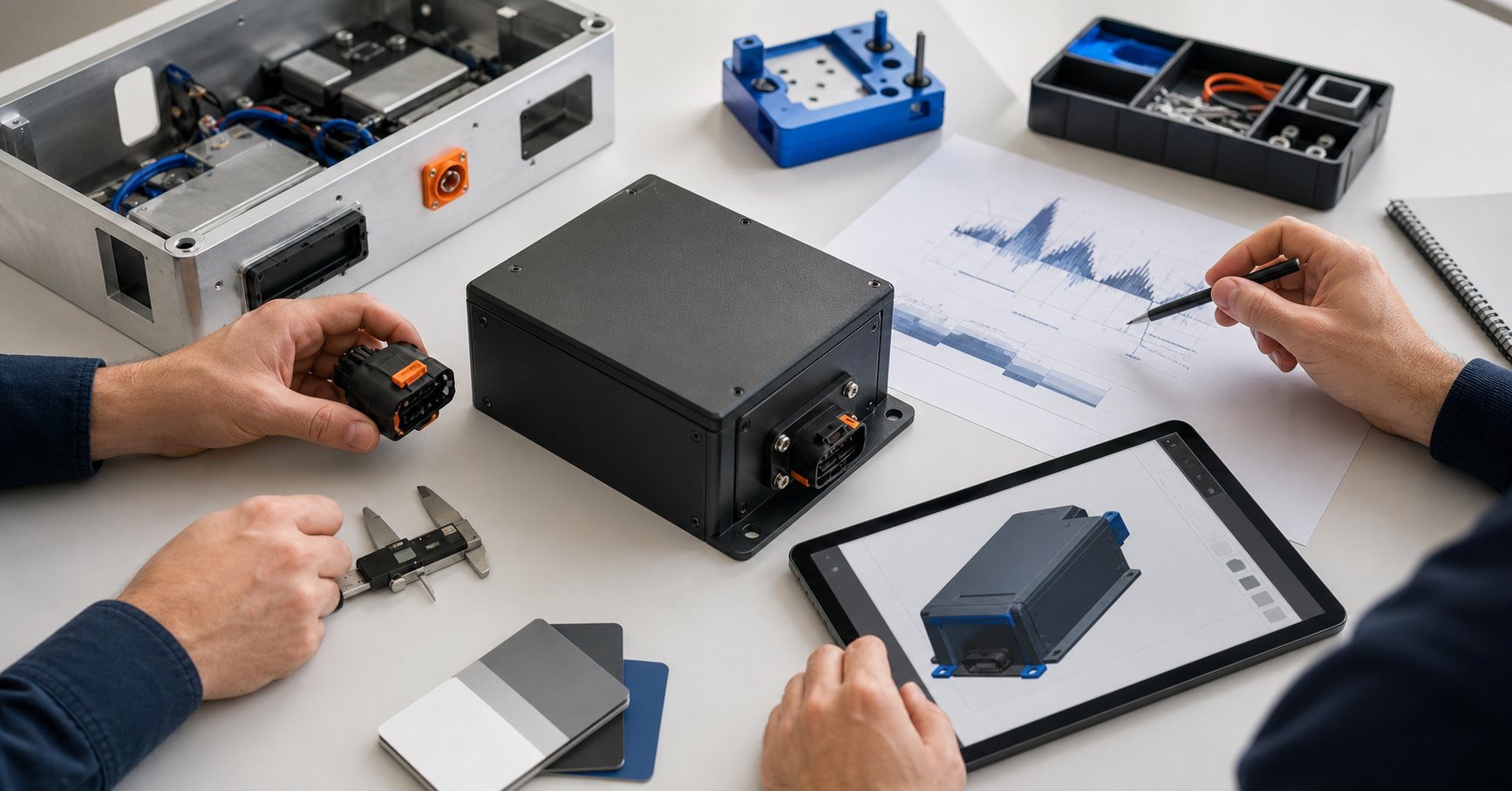


In many OEM projects, battery selection begins too late.
The product structure is already fixed, the electrical system is defined, and engineers start searching for a battery pack that can “fit.” At first, standard modules seem sufficient—matching voltage, approximate capacity, and basic dimensions.
But once the equipment enters actual use, the limitations become clear. Runtime varies, voltage drops under load, thermal behavior becomes unstable, and maintenance costs rise faster than expected.
This is where working with a custom lithium battery manufacturer changes the outcome.
At eDailyMag, we do not treat batteries as standard accessories. We design battery systems as part of the complete product architecture—matching electrical behavior, structural constraints, thermal conditions, and long-term operational goals. The result is not just a battery pack, but a reliable power system.
Cell Chemistry and Internal Design Define Long-Term Performance
A custom battery system begins with choosing the right cell chemistry and structural design.
Different applications require different priorities:
- LiFePO4 for long cycle life and thermal stability
- NMC for higher energy density and compact size
- Lithium polymer for lightweight and flexible structures
For industrial and mobility applications, LiFePO4 is often preferred because it offers:
- cycle life of 3000–6000 cycles
- stable discharge voltage around 3.2V per cell
- thermal decomposition threshold above 250°C
- strong performance under continuous high-load operation
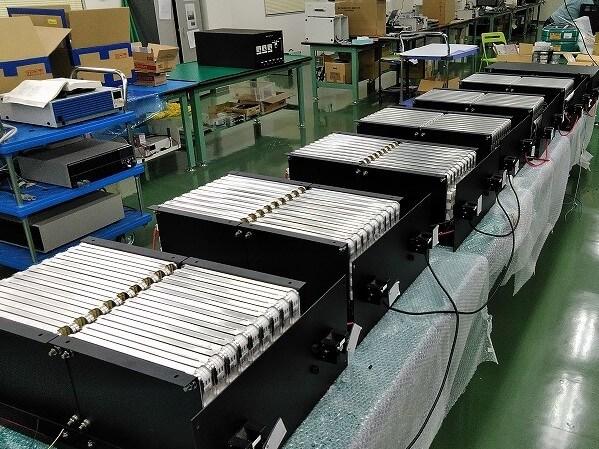
Typical internal architecture includes:
- precise series-parallel configuration (such as 16S 4P or 8S 6P)
- low-resistance copper busbars
- thermal spacing between cells
- integrated BMS with real-time monitoring
According to the International Energy Agency, industrial lithium battery systems increasingly prioritize safety, stability, and lifecycle performance over simple capacity expansion.
https://www.iea.org/reports/global-ev-outlook
The chemistry matters—but engineering determines whether those advantages are fully realized.
Engineering the Battery to Match the Product
A professional custom lithium battery manufacturer starts with understanding how the equipment actually works.
At eDailyMag, our engineering process focuses on:
- Real load analysis
Measuring peak current, startup spikes, and continuous operating demand. - Voltage window optimization
Matching the battery output to the equipment’s stable working range. - BMS customization
Configuring protection thresholds for real usage conditions. - Thermal pathway design
Managing heat generation during continuous discharge. - Mechanical integration
Designing connectors, housing, and dimensions to match the final product.
This ensures that the battery supports system performance instead of becoming a bottleneck.
Case Insight: Improving Stability in Portable Industrial Equipment
A client manufacturing portable inspection devices faced repeated complaints about unstable runtime and inconsistent performance during outdoor operation.
Their original battery supplier provided a standard lithium pack that met basic specifications, but under actual field conditions, voltage dropped quickly during peak operation and charging cycles became unpredictable.
Our team redesigned the system using:
- matched LiFePO4 cells with lower internal resistance
- optimized parallel structure for stronger current output
- a customized BMS tuned for fluctuating outdoor load conditions
After implementation:
- voltage stability improved significantly
- operational runtime became more consistent
- customer maintenance requests were reduced
This case showed that battery design directly influences product reliability and customer satisfaction.
Performance Comparison: Standard Battery Pack vs Custom OEM Battery System
| Parameter | Standard Battery Pack | Custom Lithium Battery Solution |
|---|---|---|
| Cell Matching Accuracy | ±5–8% | ≤±2% |
| Cycle Life | 800–1500 cycles | 3000–6000 cycles |
| Voltage Drop Under Load | 10–15% | 3–5% |
| Continuous Current Output | Limited | Fully application-matched |
| Thermal Performance | Basic | Engineered thermal control |
| Integration Compatibility | General-purpose | Fully customized |
| Maintenance Frequency | Higher | Lower |
These differences affect not only performance, but also warranty cost, downtime, and long-term operating efficiency.
Safety Design and Certification for Global OEM Projects
Battery safety is not only a technical issue—it is a market access requirement.
Reliable custom battery systems include:
- overcharge and over-discharge protection
- short-circuit and overcurrent cutoff
- temperature monitoring with multi-point sensors
- active balancing for cell consistency
The International Electrotechnical Commission provides global safety frameworks widely used in battery-powered systems.
https://www.iec.ch
Typical compliance requirements include:
- UN38.3 for transportation
- CE certification for European markets
- MSDS documentation for material safety
These standards ensure safe deployment across international markets.
Application Scenarios for Custom Battery Manufacturing
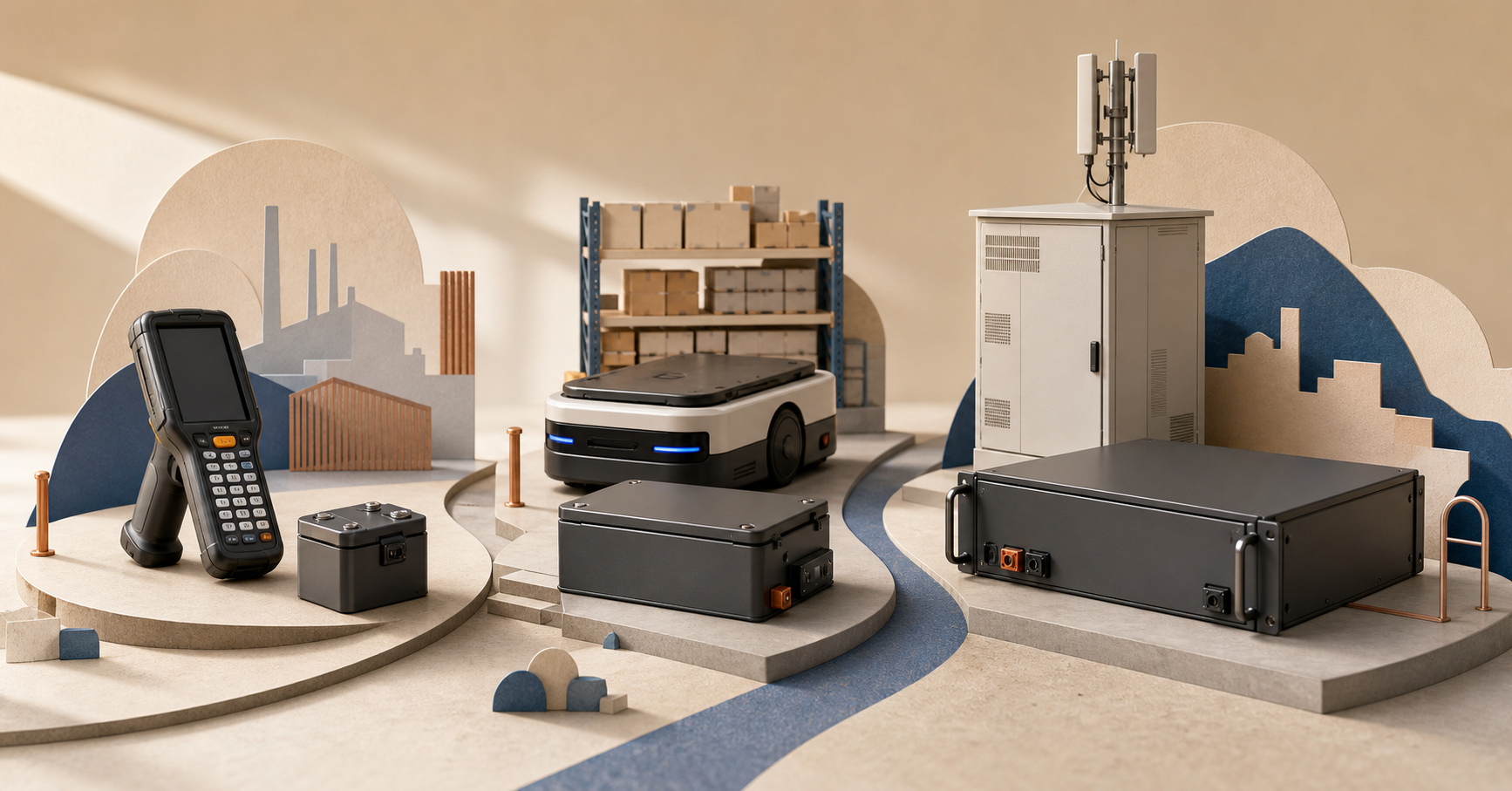
Custom lithium battery systems are widely used in:
- industrial automation equipment
- AGV / RGV transport systems
- electric mobility vehicles
- medical diagnostic devices
- portable professional equipment
- energy storage and backup systems
Each application requires different combinations of voltage, capacity, discharge behavior, and structural integration.
That is why customization is not optional—it is necessary.
FAQs
What makes a custom lithium battery different from a standard battery pack?
It is designed specifically for the equipment’s electrical, structural, and operational requirements.
How long does custom battery development take?
Typically 2–4 weeks depending on complexity, testing requirements, and certification needs.
Can OEM battery packs be upgraded later?
Yes. Capacity, BMS settings, connectors, and pack structure can all be optimized for future versions.
Reliable Power Starts With the Right Manufacturing Partner
In OEM projects, battery systems must do more than power the device—they must protect product stability, reduce maintenance costs, and support long-term scalability.
A professional custom lithium battery manufacturer ensures that every battery pack is engineered for real application conditions, not just nominal specifications.
At eDailyMag, we provide customized lithium battery solutions for industrial, mobility, and automation applications—focusing on long lifecycle performance, safe operation, and flexible OEM support.
Explore our battery solutions here:
https://www.edailymag.com/
Contact our engineering team for customized battery development and project support:
https://www.edailymag.com/contact-us
Because in modern equipment design, the battery is not a component—it is part of the system.