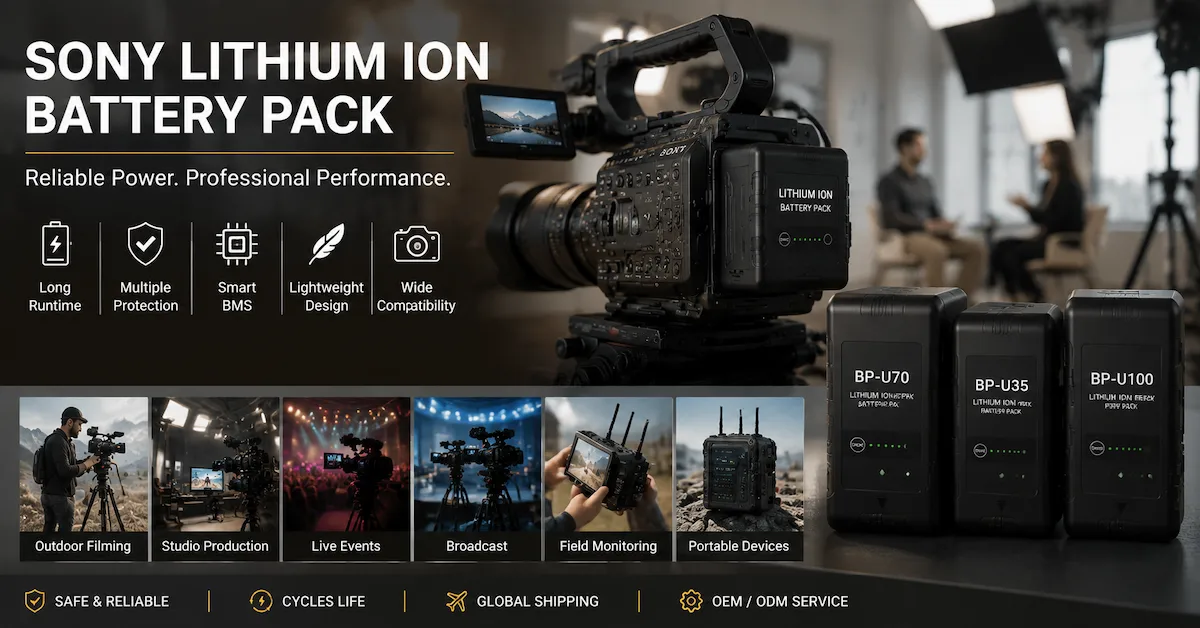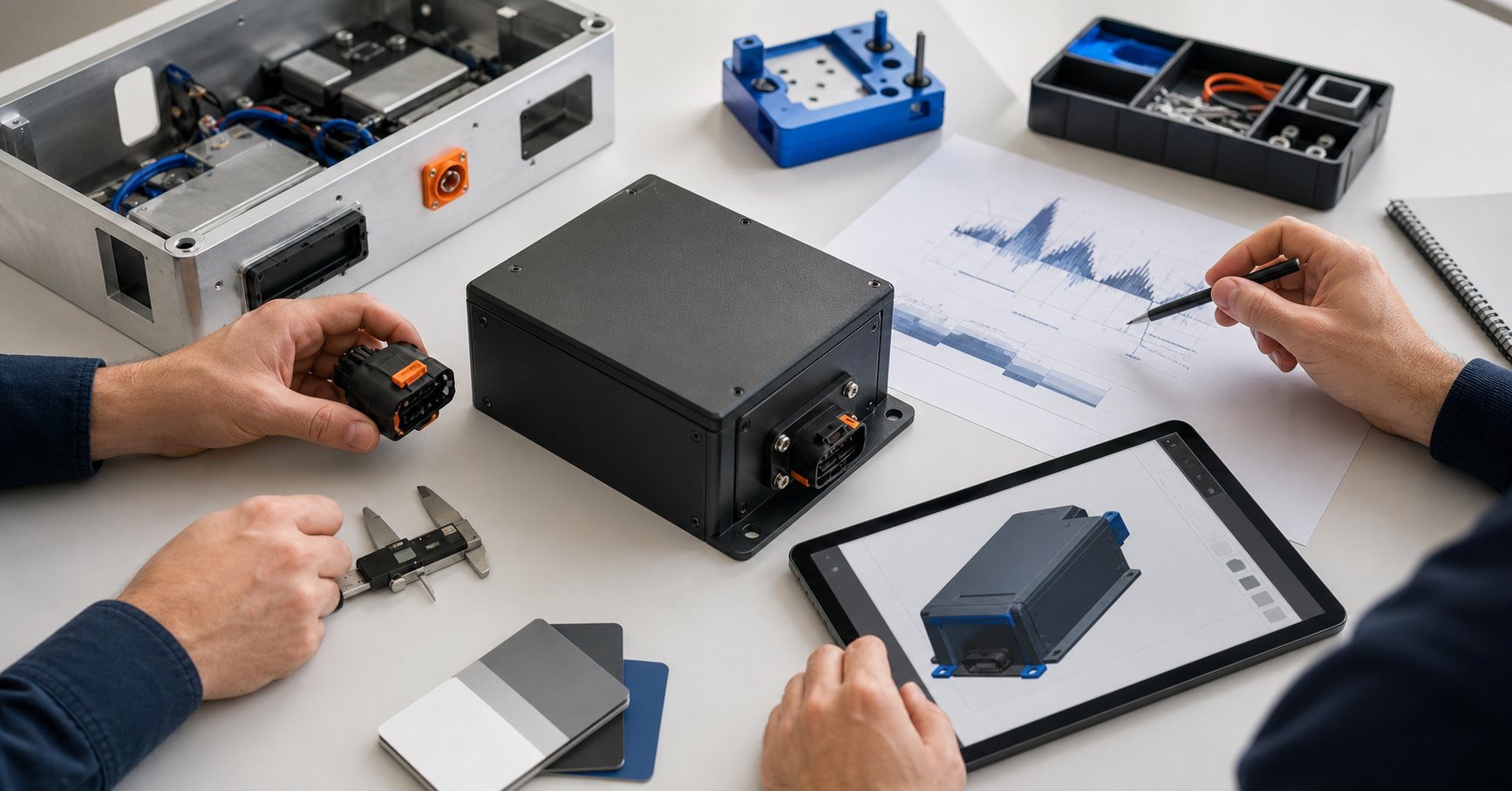


A smart lithium battery pack is an advanced rechargeable battery system that combines lithium battery cells with intelligent management technology. Unlike traditional battery packs that only provide power, smart lithium battery solutions can monitor battery status, communicate with devices, optimize charging and discharging, and improve overall system safety.
With the growth of smart equipment, automation, IoT devices, robotics, medical electronics, and industrial systems, battery packs are becoming an important part of intelligent product design.
For B2B buyers, selecting a smart lithium battery pack is not only about capacity and voltage. The battery must match the equipment architecture, communication requirements, power consumption, safety standards, and long-term operating conditions.
eDailyMag provides customized lithium battery pack solutions for smart devices, industrial equipment, portable electronics, monitoring systems, and OEM projects. Buyers can explore battery solutions through the Products page and learn more about engineering, testing, quality management, packaging, and logistics through the Services page.
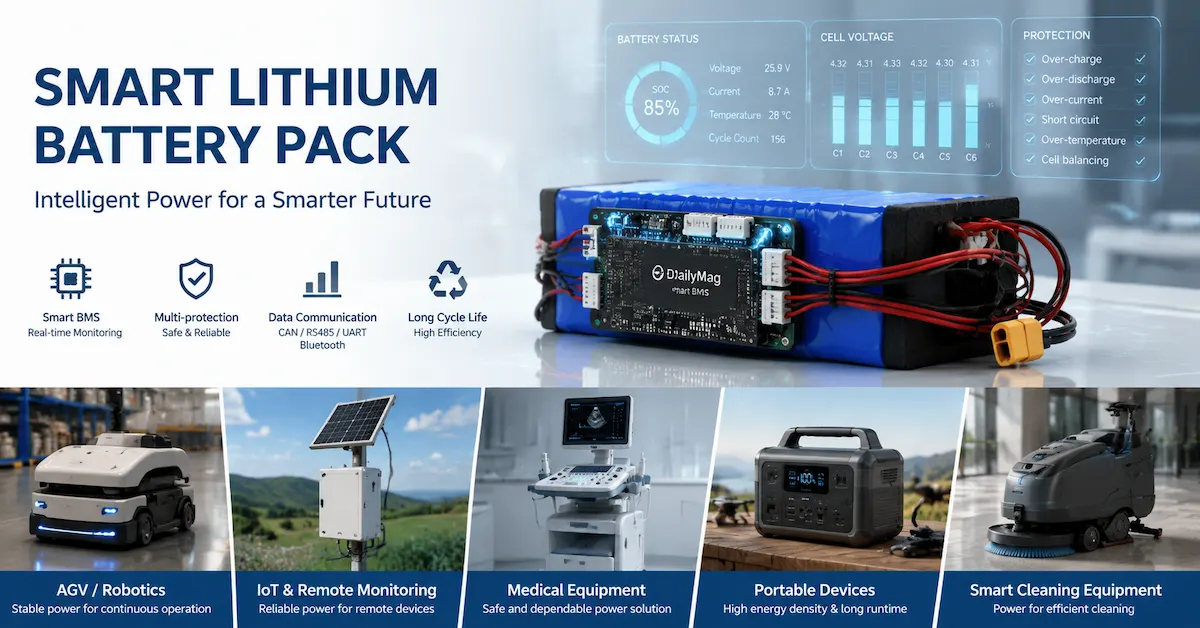
Quick Answer: What Is a Smart Lithium Battery Pack?
A smart lithium battery pack is a rechargeable lithium battery system equipped with intelligent monitoring and control functions.
Compared with standard lithium battery packs, smart battery packs may include:
- Smart BMS (Battery Management System)
- Battery status monitoring
- Voltage and current measurement
- Temperature monitoring
- Charging optimization
- Communication interfaces
- Fault detection
- Data recording
- Device communication
A smart lithium battery pack allows both the battery and the connected device to understand operating conditions, improving safety, efficiency, and user experience.
Why Smart Lithium Battery Packs Are Becoming More Important
Traditional battery packs mainly provide energy storage. Modern equipment requires more information and control.
Smart battery systems help manufacturers solve problems such as:
- Unknown battery condition
- Unexpected shutdown
- Overcharging risk
- Poor energy management
- Difficult maintenance
- Lack of usage data
By integrating intelligent management, manufacturers can improve product reliability and provide better user experiences.
For industrial and commercial equipment, battery intelligence can also reduce maintenance costs and improve system efficiency.
Key Technologies Inside a Smart Lithium Battery Pack
Smart Battery Management System (Smart BMS)
The BMS is the core component of a smart lithium battery pack.
A standard BMS protects the battery. A smart BMS can additionally provide:
- Real-time monitoring
- Battery health estimation
- State of charge calculation
- State of health monitoring
- Communication with the host device
- Fault reporting
- Data analysis
A properly designed BMS helps extend battery life and prevent unsafe operating conditions.
Communication Functions
Many smart battery packs include communication interfaces such as:
- RS485
- CAN bus
- UART
- Bluetooth
- SMBus
Communication allows the battery to exchange information with:
- Industrial controllers
- Medical devices
- Robotics systems
- Energy management platforms
- Smart appliances
For OEM projects, communication requirements should be confirmed early because they affect hardware design and software integration.
Battery Monitoring
Smart lithium battery packs can monitor:
- Voltage
- Current
- Temperature
- Charging status
- Remaining capacity
- Battery health
- Cycle count
- Fault conditions
This information helps equipment manufacturers optimize performance and maintenance schedules.
Safety Protection
A smart battery pack should provide multiple protection layers:
- Overcharge protection
- Over-discharge protection
- Overcurrent protection
- Short circuit protection
- Over-temperature protection
- Under-temperature protection
- Cell balancing
For high-value equipment, intelligent protection is often a key purchasing factor.
Smart Lithium Battery Pack Applications
1. Industrial Equipment
Industrial machines often require reliable and intelligent energy management.
Applications include:
- Automated equipment
- Inspection devices
- Mobile robots
- Industrial instruments
- Portable measurement systems
Smart battery functions allow equipment operators to monitor battery status and reduce unexpected downtime.
2. Robotics and Automation
Robotics systems require accurate battery information because performance depends heavily on available energy.
Smart lithium battery packs can support:
- Mobile robots
- AGV systems
- Service robots
- Inspection robots
- Autonomous equipment
Important requirements include:
- High discharge capability
- Communication compatibility
- Accurate battery monitoring
- Long cycle life
3. Medical and Healthcare Equipment
Medical devices require stable and reliable power.
Smart lithium battery packs can provide:
- Battery status information
- Safe charging management
- Predictable runtime
- Fault monitoring
Applications include:
- Portable medical devices
- Diagnostic equipment
- Patient monitoring systems
- Mobile healthcare equipment
4. IoT and Remote Monitoring Devices
IoT devices often operate in remote locations where maintenance is difficult.
Smart battery solutions help monitor:
- Remaining battery life
- Device operating conditions
- Power consumption
- Maintenance requirements
Applications include:
- Sensors
- Smart meters
- Remote monitoring systems
- Communication devices
5. Portable Consumer Electronics
Smart battery packs are also used in:
- Portable tools
- Smart appliances
- Outdoor equipment
- Professional electronics
The intelligent battery system improves safety and user experience.
Smart Lithium Battery Pack vs Standard Lithium Battery Pack
| Feature | Smart Lithium Battery Pack | Standard Lithium Battery Pack |
|---|---|---|
| Battery protection | Advanced monitoring and control | Basic protection |
| Communication | Available | Usually unavailable |
| Battery information | Real-time data | Limited information |
| Fault diagnosis | Supported | Limited |
| System integration | High | Lower |
| Cost | Higher | Lower |
| Best for | Intelligent equipment | Basic power applications |
For simple devices, a standard battery pack may be sufficient. For intelligent equipment, a smart lithium battery pack provides more value.
Key Specifications Buyers Should Confirm
Before sourcing a smart lithium battery pack, buyers should evaluate:
| Specification | Why It Matters |
| Battery voltage | Must match equipment requirements |
| Capacity | Determines operating time |
| Cell chemistry | Affects safety and performance |
| Maximum discharge current | Supports device power demand |
| Charging current | Determines charging speed |
| BMS functions | Controls safety and intelligence |
| Communication protocol | Ensures system compatibility |
| Connector design | Supports integration |
| Battery dimensions | Determines installation |
| Operating temperature | Supports application environment |
| Cycle life | Determines long-term value |
| Protection level | Improves reliability |
For OEM projects, communication and mechanical integration should be confirmed before prototype development.
Common Buying Mistakes
Choosing Only by Capacity
A higher capacity battery does not always provide a better solution.
Smart equipment also requires:
- Correct communication
- Suitable BMS
- Proper current output
- Reliable integration
Ignoring Communication Compatibility
A battery may work electrically but fail to communicate with the device.
Buyers should confirm:
- Protocol
- Data format
- Connector pins
- Communication voltage
- Software requirements
Selecting Low-Cost BMS Solutions
A poor BMS can cause:
- Incorrect battery readings
- Charging problems
- Unexpected shutdown
- Safety risks
Skipping System-Level Testing
Smart battery packs should be tested together with the final equipment, not only as standalone batteries.
Testing should include:
- Charging
- Discharging
- Communication
- Temperature
- Fault response
- Real working conditions
OEM Customization Options
A smart lithium battery pack can be customized according to application requirements.
Common OEM options include:
- Battery voltage
- Capacity
- Battery chemistry
- Cell configuration
- Smart BMS
- Communication protocol
- Connector design
- Housing structure
- Battery indicator
- Firmware customization
- Label design
- Packaging
- Testing standards
eDailyMag’s service support helps buyers evaluate battery requirements, develop samples, verify performance, and prepare production.
How eDailyMag Supports Smart Battery Projects
eDailyMag supports smart lithium battery pack development for intelligent equipment manufacturers and OEM customers.
Support includes:
- Battery requirement analysis
- Cell selection
- Pack structure design
- Smart BMS development
- Communication integration
- Prototype production
- Performance testing
- Safety testing
- Quality control
- Packaging and logistics
Buyers can learn more about eDailyMag through the About Us page, review battery solutions through the Products page, and explore additional battery guides through the Blog page.
Quality Control Checklist
| QC Stage | Inspection Items |
| Cell inspection | Voltage, capacity, resistance |
| Cell matching | Consistency between cells |
| BMS testing | Protection and monitoring functions |
| Communication testing | CAN, RS485, UART, Bluetooth verification |
| Assembly inspection | Welding, wiring, insulation |
| Charging test | Charging performance |
| Discharge test | Runtime and output stability |
| Temperature test | Thermal performance |
| System integration test | Device communication and operation |
| Final inspection | Packaging and shipment preparation |
A complete testing process helps ensure reliable smart battery performance.
FAQ About Smart Lithium Battery Pack
1. What is a smart lithium battery pack?
A smart lithium battery pack is a rechargeable battery system with intelligent monitoring, protection, and communication functions through an advanced BMS.
2. What is the difference between smart and normal lithium batteries?
Smart batteries provide additional information and control functions, including battery status monitoring, communication, and fault reporting.
3. What communication protocols can smart batteries support?
Common options include CAN bus, RS485, UART, SMBus, and Bluetooth depending on the application.
4. Are smart lithium battery packs more expensive?
Yes, smart battery packs usually cost more because they include advanced BMS hardware, sensors, communication functions, and additional development requirements.
5. Can eDailyMag customize smart lithium battery packs?
Yes. eDailyMag supports customized smart lithium battery pack development including BMS, communication, connectors, housing, firmware requirements, testing, and packaging.
6. What information is needed before OEM development?
Buyers should provide voltage, capacity, device requirements, communication protocol, dimensions, working environment, quantity, and testing requirements.
Conclusion
A smart lithium battery pack is an advanced power solution designed for intelligent equipment that requires more than simple energy storage.
With smart BMS, communication capabilities, battery monitoring, and advanced protection, smart lithium battery systems help improve safety, efficiency, maintenance, and product reliability.
For industrial equipment, robotics, medical devices, IoT systems, and smart electronics, selecting the right battery partner is critical.
If you need a customized smart lithium battery pack for intelligent devices, OEM equipment, or professional applications, eDailyMag can support battery design, BMS integration, testing, packaging, and mass production.