

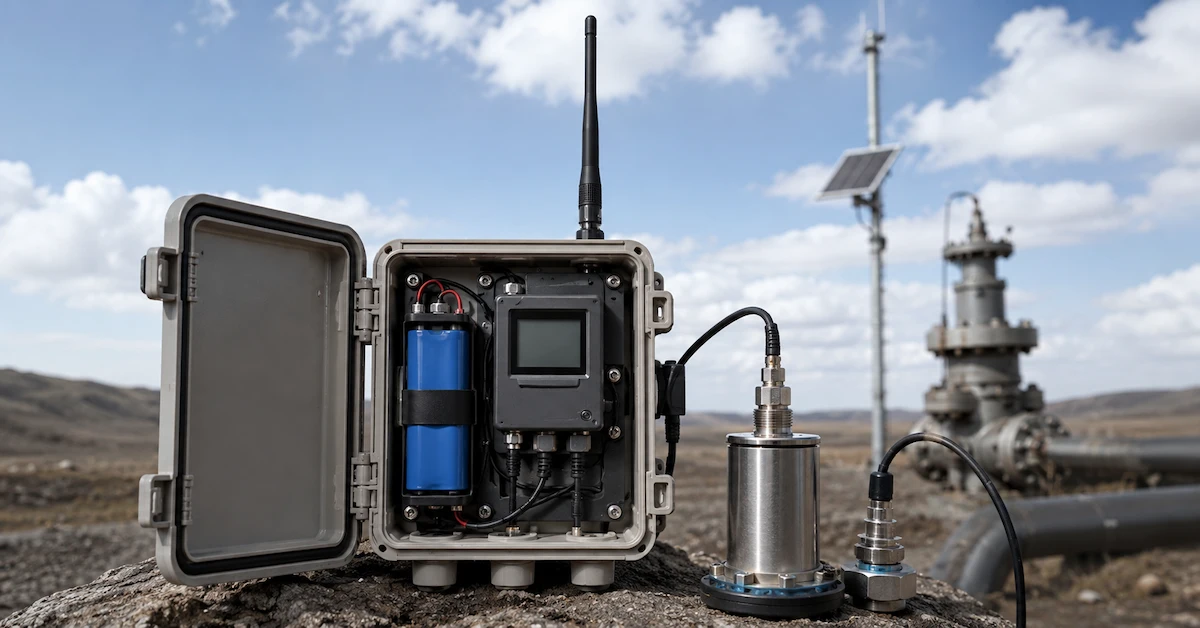
A primary lithium battery pack is a non-rechargeable lithium battery solution used when equipment needs long service life, stable power, low self-discharge, and minimal maintenance. Unlike rechargeable lithium-ion battery packs, primary lithium batteries are designed for applications where charging is not practical, such as remote monitoring devices, utility meters, IoT sensors, tracking equipment, security systems, and industrial field instruments.
For OEM buyers, choosing the right primary lithium battery pack is not only about capacity. The battery must match the device’s voltage, current profile, pulse demand, operating temperature, storage life, connector structure, safety requirements, and final installation environment.
eDailyMag focuses on lithium battery pack solutions for professional equipment, portable devices, industrial applications, and OEM projects. Buyers can review battery solution directions on the Products page or learn more about design, sampling, quality management, packaging, and logistics support through the Services page.
Quick Answer: What Is a Primary Lithium Battery Pack?
A primary lithium battery pack is a battery pack made from non-rechargeable lithium cells. It is designed to provide long-lasting power for devices that are expected to operate for months or years without regular charging.
Primary lithium battery packs are commonly used when the device needs:
- Long shelf life
- Low self-discharge
- Stable output
- Compact battery structure
- Low maintenance
- Wide operating temperature support
- Reliable power for low-current or pulse-current devices
The most important point for buyers is simple: primary lithium battery packs are not rechargeable. If your device needs repeated charging and discharging, a rechargeable lithium-ion or LiFePO4 battery pack may be more suitable.
Primary Lithium Battery Pack vs Rechargeable Lithium Battery Pack
Many buyers confuse primary lithium batteries with rechargeable lithium-ion batteries. They are different product categories.
| Item | Primary Lithium Battery Pack | Rechargeable Lithium Battery Pack |
|---|---|---|
| Rechargeable | No | Yes |
| Best For | Long-life, low-maintenance devices | Repeated-use devices |
| Common Use | Meters, sensors, trackers, remote devices | Power tools, portable power, industrial equipment |
| Maintenance | Very low | Requires charging |
| Design Focus | Long shelf life and stable discharge | Cycle life and recharge performance |
| Buyer Concern | Service life, self-discharge, temperature | Runtime, BMS, charging, cycle life |
If the device is difficult to access after installation, a primary lithium battery pack can be a strong option. If the device is used daily and can be recharged, a rechargeable battery pack may be better.
Who Needs a Primary Lithium Battery Pack?
A primary lithium battery pack is suitable for B2B buyers who need long-life power for low-maintenance equipment.
| Buyer Type | Main Need |
| IoT device manufacturers | Long-life battery packs for sensors and data devices |
| Utility meter companies | Stable power for smart meters and remote meters |
| Industrial monitoring suppliers | Battery packs for field instruments and remote sites |
| Security equipment brands | Backup or long-life power for alarms and detectors |
| Tracking device suppliers | Compact long-life battery solutions |
| Data collection equipment companies | Low-maintenance power for distributed devices |
| OEM electronics brands | Custom voltage, connector, housing, and packaging |
| Distributors | Primary lithium battery packs for specialized markets |
For these buyers, long-term reliability often matters more than high peak power.
Common Applications
1. Remote Monitoring Devices
Remote monitoring equipment may be installed in areas that are difficult to access, such as pipelines, power facilities, water systems, warehouses, farms, or outdoor stations.
A primary lithium battery pack helps reduce maintenance visits and supports long-term unattended operation.
2. Smart Meters and Utility Meters
Meters often need stable, low-power operation over a long period. The battery must support accurate data recording, communication pulses, and reliable operation across different environments.
3. IoT Sensors
Low-power IoT sensors may need compact battery packs that can operate for long periods without charging. Battery size, self-discharge, connector design, and pulse current support are important.
4. Security and Alarm Devices
Some alarm devices, detectors, and security sensors need batteries that remain stable after long standby periods. A primary lithium battery pack can support this type of low-maintenance design.
5. Tracking and Location Devices
Tracking products may require compact power packs with stable discharge, lightweight structure, and long runtime. The battery must match both active transmission and standby modes.
Key Specifications Buyers Should Confirm
Before sourcing or customizing a primary lithium battery pack, buyers should confirm the following specifications.
| Specification | Why It Matters |
| Nominal voltage | Must match the device circuit |
| Rated capacity | Determines expected service life |
| Battery chemistry | Affects voltage, temperature range, safety, and discharge behavior |
| Continuous current | Must support normal device operation |
| Pulse current | Important for communication, GPS, alarms, or wireless transmission |
| Self-discharge rate | Affects long-term standby life |
| Operating temperature | Critical for outdoor and industrial use |
| Connector type | Must match device assembly |
| Wire length | Affects installation and production efficiency |
| Pack structure | Impacts size, insulation, and safety |
| Protection design | Helps prevent short circuit or misuse |
| Packaging and logistics | Lithium batteries need proper handling and documentation |
For OEM projects, these parameters should be confirmed before quotation and sample development.
Why Pulse Current Matters
Many remote devices use very low current most of the time but require short bursts of higher current during data transmission, alarm triggering, GPS positioning, or wireless communication.
This means buyers should not only ask, “How many mAh does the battery have?” They should also ask:
- What is the normal working current?
- What is the standby current?
- What is the pulse current?
- How often does the pulse occur?
- How long does each pulse last?
- What voltage drop is acceptable?
If the battery cannot support the pulse load, the device may reset, lose communication, or fail in the field.
How to Choose the Right Battery Chemistry
Primary lithium battery packs can use different lithium chemistries depending on the application. The right choice depends on voltage, current, temperature, size, service life, and safety requirements.
| Chemistry Direction | Common Advantage | Suitable Application |
| Lithium thionyl chloride type | Long life and low self-discharge | Meters, sensors, remote monitoring |
| Lithium manganese dioxide type | Stable performance and compact design | Electronics, tracking devices, alarms |
| Custom primary lithium pack | Application-matched design | OEM devices with special structure or connector needs |
Buyers should choose chemistry based on real device requirements rather than only unit price.
Common Buying Mistakes
Mistake 1: Treating Primary Lithium Batteries as Rechargeable
Primary lithium battery packs are not designed for recharging. Attempting to recharge them can create serious safety risks. Buyers must clearly distinguish primary and rechargeable lithium systems.
Mistake 2: Only Comparing Capacity
Capacity is important, but service life also depends on current draw, pulse load, temperature, self-discharge, and device sleep mode.
Mistake 3: Ignoring Operating Temperature
Remote devices may work outdoors, in warehouses, in vehicles, or in industrial environments. Temperature range must be confirmed early.
Mistake 4: Forgetting Connector and Wire Design
For OEM assembly, connector type, polarity, wire length, insulation, and pack shape can affect production efficiency and device reliability.
Mistake 5: Skipping Real Device Testing
Battery life calculations are useful, but samples should still be tested in the actual device under real operating conditions.
How eDailyMag Supports Custom Battery Pack Projects
eDailyMag supports lithium battery pack projects for OEM buyers who need application-matched power solutions. For a primary lithium battery pack project, the key is to confirm whether the application truly needs a non-rechargeable battery or whether a rechargeable lithium battery pack is more suitable.
eDailyMag can help buyers evaluate:
- Device voltage
- Capacity target
- Working current
- Pulse current
- Operating temperature
- Pack size
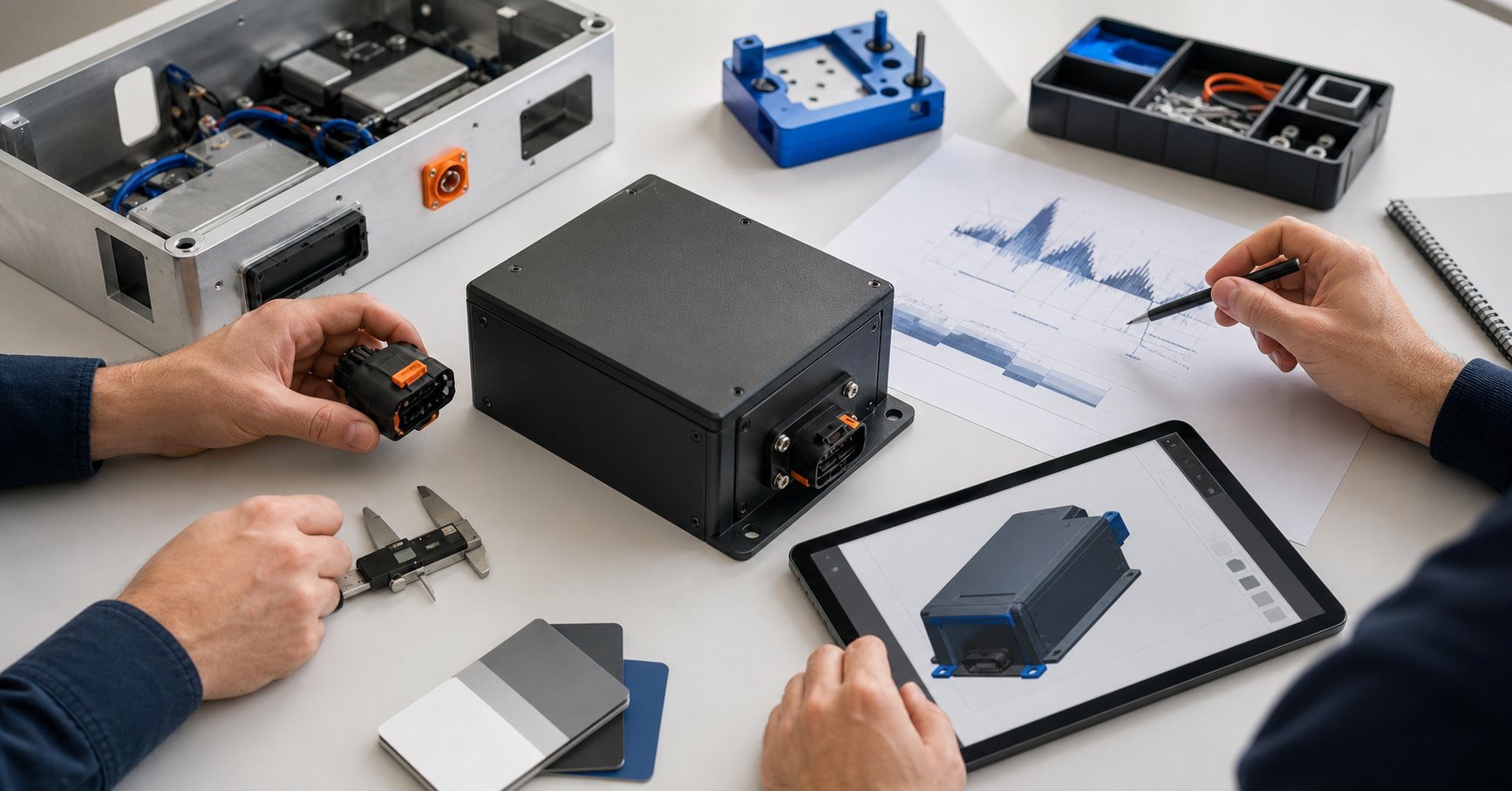
- Connector and wire design
- Insulation and safety structure
- Label and packaging
- Sample testing
- Quality control
- Logistics requirements
Buyers can learn more about eDailyMag’s battery solution background on the About Us page, explore product directions on the Products page, and read more sourcing guides on the Blog page.
Quality Control Checklist
| QC Stage | What to Check |
| Cell inspection | Voltage, appearance, batch consistency |
| Capacity verification | Rated capacity and application requirement |
| Current test | Standby current and pulse current support |
| Connector inspection | Polarity, wire length, plug type |
| Insulation check | Protection against short circuit and contact risk |
| Pack assembly | Welding, soldering, wrapping, labeling |
| Temperature review | Suitability for target working environment |
| Device sample test | Runtime, voltage stability, communication performance |
| Packaging inspection | Label, carton, safety marking, shipping preparation |
| Final inspection | Quantity, appearance, documentation, delivery status |
A clear quality control process helps reduce field failure and improves buyer confidence.
FAQ About Primary Lithium Battery Pack
1. What is a primary lithium battery pack?
A primary lithium battery pack is a non-rechargeable lithium battery system used for long-life devices such as meters, sensors, remote monitoring equipment, alarms, tracking devices, and industrial field instruments.
2. Can a primary lithium battery pack be recharged?
No. Primary lithium batteries are not rechargeable. If your device needs repeated charging, you should use a rechargeable lithium-ion or LiFePO4 battery pack instead.
3. What applications are suitable for primary lithium batteries?
They are suitable for low-power devices that need long service life and low maintenance, such as smart meters, IoT sensors, security devices, tracking systems, and remote monitoring equipment.
4. What should OEM buyers provide for quotation?
Buyers should provide voltage, capacity target, standby current, pulse current, operating temperature, pack size, connector type, wire length, and expected service life.
5. Why is pulse current important?
Some devices use short high-current bursts for wireless transmission, GPS, alarms, or data upload. If the battery cannot support pulse current, the device may reset or fail to communicate.
6. Can eDailyMag support custom primary lithium battery pack projects?
eDailyMag can help evaluate custom lithium battery pack requirements, including voltage, capacity, current profile, connector, wire, structure, testing, packaging, and logistics. Buyers should confirm whether their application requires primary or rechargeable lithium batteries.
Conclusion
A primary lithium battery pack is a strong choice for long-life, low-maintenance devices that do not require recharging. It is especially suitable for remote monitoring systems, smart meters, IoT sensors, tracking devices, security equipment, and industrial field instruments.
For B2B buyers, the right battery pack should be selected based on voltage, capacity, current profile, pulse demand, temperature range, connector design, safety structure, and real device testing.
If you need a custom battery pack for remote devices, industrial monitoring, smart equipment, or OEM electronics, eDailyMag can help evaluate your project requirements and support sample development, testing, packaging, and production.