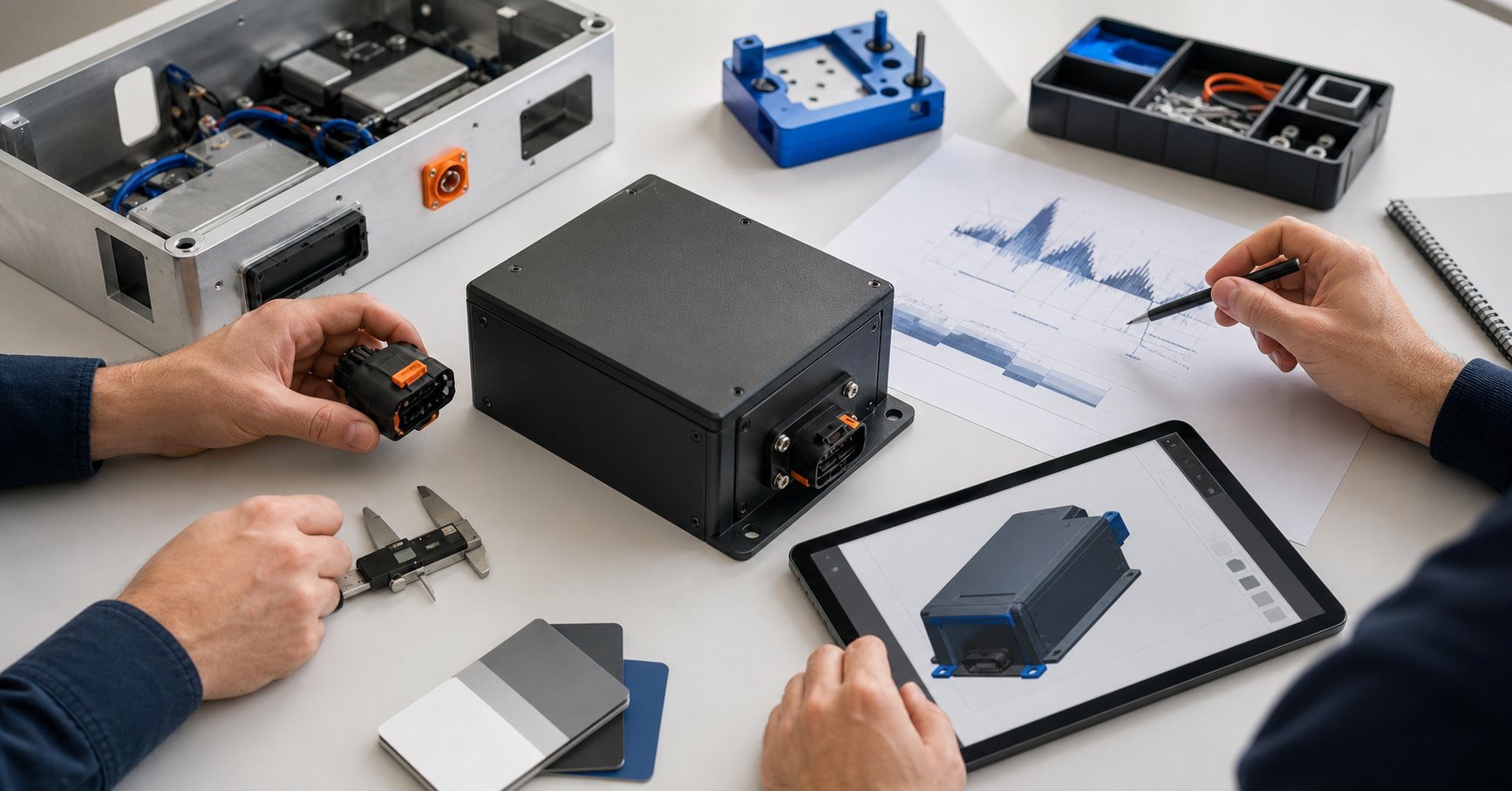


A PLB40 lithium battery pack is commonly associated with portable power systems used for outdoor coolers, 12V appliances, camping equipment, mobile workstations, and off-grid devices. For many users, this type of battery pack is attractive because it combines compact size, rechargeable lithium technology, stable output, and easy transport.
However, choosing or replacing a PLB40 lithium battery pack is not only about matching “40Ah” on a product label. Buyers also need to check voltage, chemistry, charging method, output current, BMS protection, connector type, enclosure design, temperature range, and real application requirements.
For OEM buyers, distributors, repair shops, and outdoor equipment brands, the key question is not simply “Can I find a battery pack with the same capacity?” The better question is: Can this battery pack safely and reliably power the target device under real operating conditions?
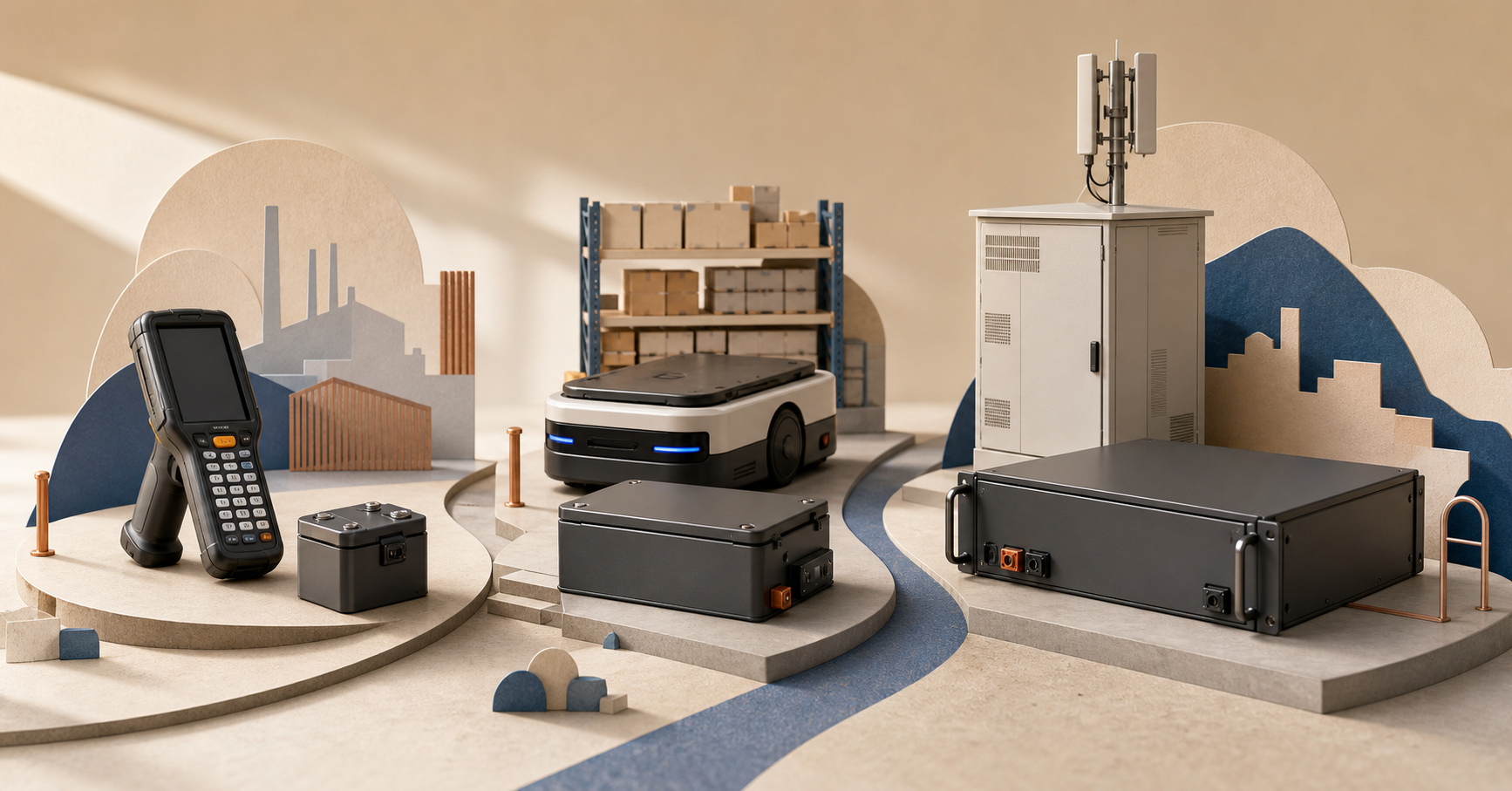
As an OEM lithium battery pack manufacturer, eDailyMag supports customized lithium battery solutions for portable devices, industrial equipment, handheld terminals, cold storage systems, and power monitoring applications. Buyers can review available battery pack options on the Products page and learn more about engineering, sampling, quality, packaging, and logistics support through the Services page.
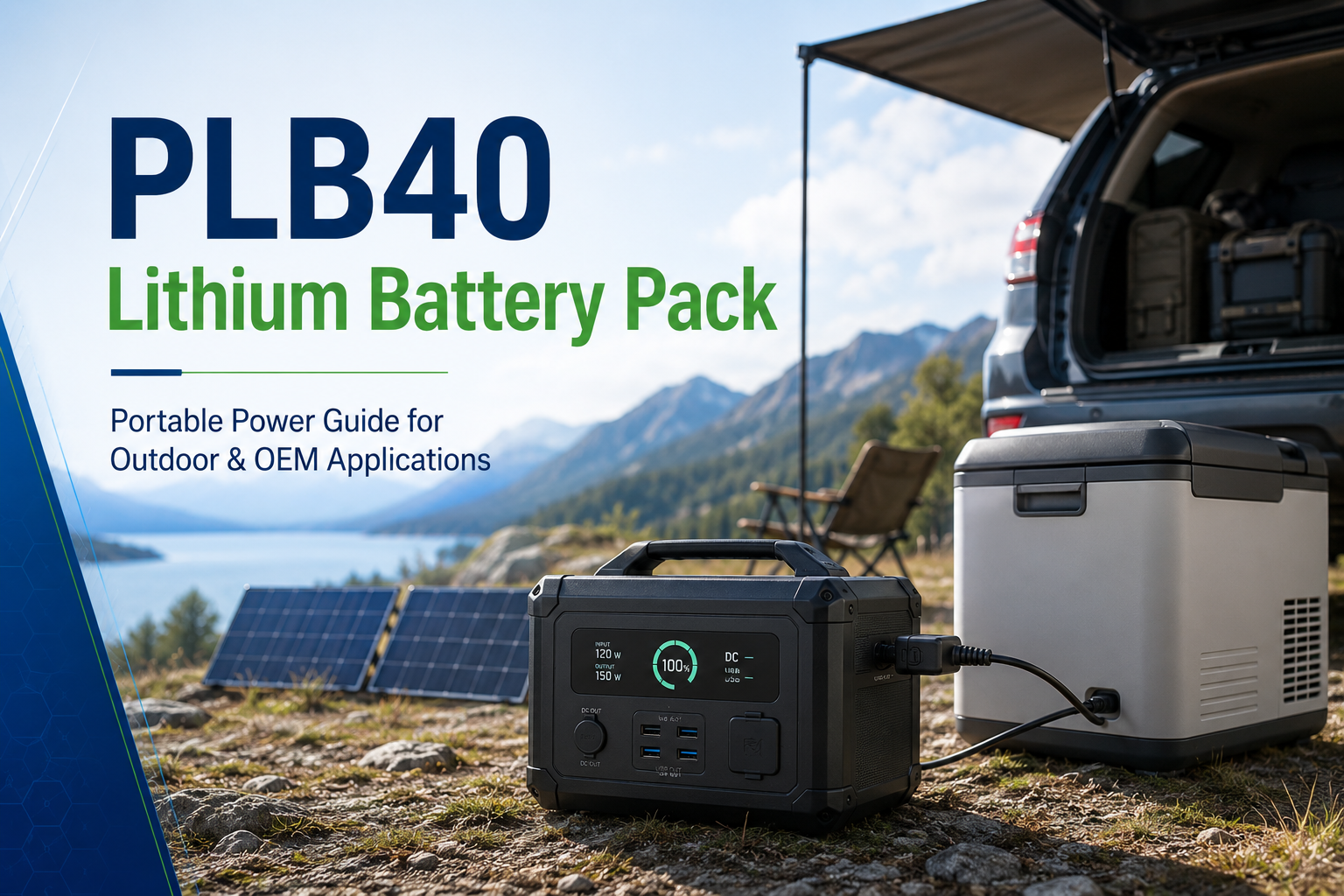
Quick Answer: What Is a PLB40 Lithium Battery Pack?
A PLB40 lithium battery pack is a portable lithium battery system designed to supply power for 12V devices, portable coolers, outdoor electronics, USB accessories, and mobile equipment. Many PLB40-style battery packs use LiFePO4 chemistry because it offers stable discharge performance, good cycle life, and safer thermal characteristics compared with some other lithium chemistries.
For buyers, the most important factors are:
- Nominal voltage
- Rated capacity
- Energy in Wh
- Output current
- Charging method
- Connector type
- BMS protection
- Size and weight
- Application compatibility
- Safety and quality testing
A PLB40 lithium battery pack should not be selected only by appearance or capacity. It must match the device’s voltage, load, charging behavior, and environmental conditions.
Who Needs a PLB40 Lithium Battery Pack?
The search term “PLB40 lithium battery pack” usually comes from users with practical buying or replacement needs.
Typical buyers include:
| Buyer Type | Main Need |
|---|---|
| Outdoor users | Portable power for coolers, lighting, phones, and 12V appliances |
| RV and camping equipment sellers | Reliable battery packs for mobile lifestyle products |
| Portable cooler distributors | Stable power source for fridge/freezer systems |
| Repair shops | Replacement or rebuild guidance for portable power units |
| OEM equipment brands | Custom battery pack development for new products |
| Industrial field teams | Mobile power for sensors, tools, and temporary devices |
| Battery distributors | Private-label or compatible battery sourcing |
| Cold-chain equipment companies | Portable backup power for temperature-sensitive systems |
For these users, the battery must be stable, safe, easy to carry, and suitable for repeated use in changing environments.
Common Applications of PLB40-Style Lithium Battery Packs
1. Portable Coolers and Fridge/Freezers
One of the most common uses for a PLB40 lithium battery pack is powering portable coolers or compact fridge/freezers during camping, road trips, outdoor work, or field operations.
In this application, buyers should focus on:
- Runtime per charge
- 12V output stability
- Low-voltage protection
- Charging options
- Temperature behavior
- Connector reliability
A weak or mismatched battery pack may cause the cooler to stop unexpectedly, which can be a problem for food, medicine, samples, or temperature-sensitive supplies.
2. Camping and Outdoor Equipment
Outdoor users often need one battery pack to power multiple devices, such as LED lights, phones, radios, cameras, fans, and small 12V appliances.
Important factors include:
- Portability
- Rugged housing
- Battery indicator
- USB and 12V output
- Easy charging from vehicle or solar
- Protection against dust and moisture
For outdoor applications, the battery pack should be practical, not overly complex.
3. RV, Van, and Mobile Travel
In RV and van life applications, PLB40-style batteries can work as auxiliary portable power sources. They are useful when users do not want to install a full fixed battery system.
Buyers should check:
- Compatibility with vehicle charging
- Safe storage in moving vehicles
- Charging time
- Battery management protection
- Long-term cycle performance
4. Field Work and Mobile Equipment
Survey teams, inspectors, technicians, and outdoor maintenance crews may use portable lithium battery packs for temporary power.
Typical devices include:
- Measuring instruments
- Communication devices
- Portable monitors
- Inspection cameras
- Small tools
- Field lighting
For this application, reliability matters more than appearance.
5. OEM Portable Power Products
Some brands may want to develop a PLB40-style battery pack for their own portable cooler, outdoor device, field equipment, or private-label power product.
In this case, customization may involve:
- Voltage design
- Capacity adjustment
- Housing structure
- BMS selection
- Output ports
- Charging interface
- LCD or indicator design
- Branding and packaging
- Safety testing
- Batch production
This is where a custom lithium battery pack supplier becomes important.
Key Specifications Buyers Should Check
Before choosing a PLB40 lithium battery pack or developing a similar OEM battery solution, buyers should confirm the following specifications.
| Specification | Why It Matters |
| Nominal voltage | Must match the powered device, usually 12V-class equipment |
| Rated capacity | Determines usable runtime |
| Energy in Wh | More accurate for comparing total energy |
| Battery chemistry | Affects safety, cycle life, charging, and temperature behavior |
| Output current | Must support device load without shutdown |
| Peak current | Important for startup loads or compressor-based devices |
| Charging input | Determines whether the pack supports AC, vehicle, or solar charging |
| BMS protection | Protects against overcharge, over-discharge, overcurrent, short circuit, and temperature issues |
| Connector type | Must match the device or accessory cable |
| Enclosure design | Affects portability, protection, and user experience |
| Operating temperature | Important for outdoor, vehicle, and cold-chain use |
| Weight | Affects transport and daily use |
| Certification and shipping | Lithium batteries require suitable documentation and packaging |
For B2B buyers, these specifications should be confirmed before quotation, sample production, or bulk ordering.
Why LiFePO4 Chemistry Is Common in Portable Power Packs
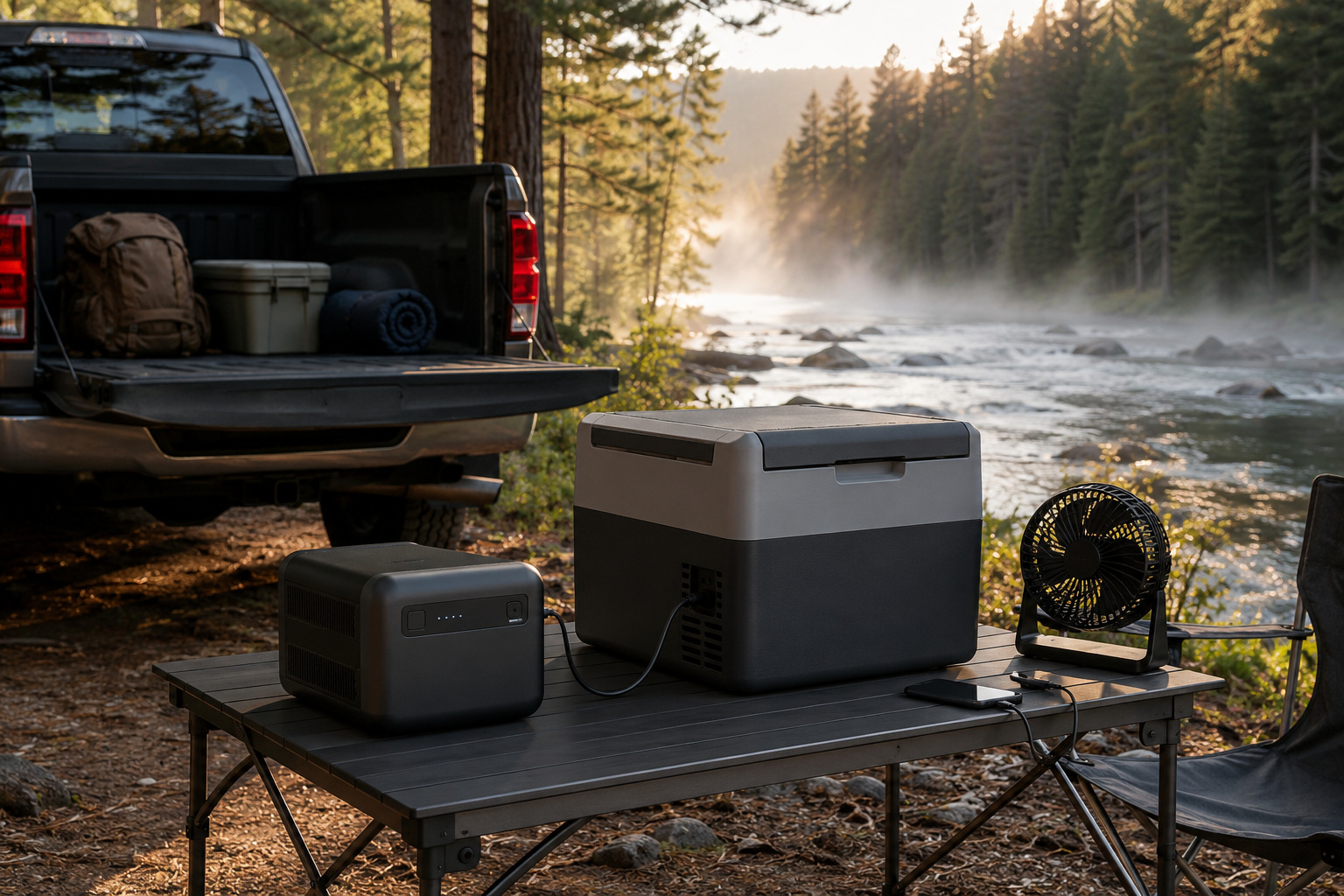
Many PLB40-style battery packs use LiFePO4 battery chemistry. LiFePO4 is often selected for portable power systems because it offers several practical advantages.
Stable Output
LiFePO4 batteries can provide relatively stable voltage during discharge, which is useful for 12V appliances, coolers, and field equipment.
Better Thermal Stability
Compared with some other lithium chemistries, LiFePO4 is often valued for safer thermal behavior, especially in portable and outdoor applications.
Long Cycle Life
For users who charge and discharge the pack frequently, cycle life is important. A longer cycle life can reduce replacement frequency and total ownership cost.
Suitable for Repeated Outdoor Use
Outdoor power packs may face vibration, changing temperatures, and frequent movement. LiFePO4 can be a strong choice when the battery pack is properly designed with BMS protection and a durable enclosure.
However, chemistry alone does not guarantee safety. The pack still needs proper cell matching, BMS design, insulation, assembly, and testing.
PLB40 Lithium Battery Pack vs Standard Power Bank
A PLB40 lithium battery pack is different from a small consumer power bank.
| Item | PLB40-Style Lithium Battery Pack | Standard Consumer Power Bank |
| Main use | 12V appliances, coolers, outdoor equipment | Phones, tablets, small USB devices |
| Capacity level | Higher capacity, often measured in Ah and Wh | Lower to medium capacity |
| Output type | 12V DC, USB, sometimes multiple ports | Mainly USB |
| Application | Camping, RV, cold-chain, field work | Daily electronics charging |
| Structure | Larger enclosure, handle, BMS, power ports | Compact handheld body |
| Buyer concern | Runtime, current, safety, durability | Size, USB speed, convenience |
| OEM complexity | Higher | Lower |
If the device needs stable 12V output or higher current, a normal USB power bank is usually not enough.
Replacement Risks Buyers Should Avoid
Risk 1: Only Matching Capacity
A 40Ah label does not mean the battery pack will work correctly. The voltage, output current, BMS, charger, and connector must also match.
Risk 2: Ignoring Wh Rating
Ah alone can be misleading if voltage is different. Buyers should compare Wh when evaluating total energy.
For example, a 40Ah battery at one voltage platform does not equal a 40Ah battery at another voltage platform. Wh gives a clearer energy comparison.
Risk 3: Using the Wrong Charger
A lithium battery pack must be charged with the correct charging profile. Using the wrong charger can cause charging failure, reduced lifespan, or safety issues.
Risk 4: Overloading the Output
Portable coolers, compressors, and field equipment may have startup current. If the output current is too low, the pack may shut down or trigger protection.
Risk 5: Ignoring Temperature Conditions
Outdoor and cold-chain applications can expose batteries to low or high temperatures. Buyers should confirm both charging and discharging temperature ranges.
Risk 6: Choosing Poor Housing Design
A portable battery pack may be carried, moved, stored in vehicles, or used outdoors. Weak housing, loose connectors, or poor sealing can reduce service life.
How to Choose a PLB40 Lithium Battery Pack for OEM Projects
OEM buyers should use a structured evaluation process.
Step 1: Confirm the Application
Start with the device, not the battery.
Ask:
- Is the pack used for a cooler, tool, sensor, light, or field device?
- Is it used indoors, outdoors, or inside a vehicle?
- Does the device run continuously or intermittently?
- Is the load stable or does it have startup current?
- Does the product need to be carried by hand?
Step 2: Confirm Electrical Requirements
Check:
- Nominal voltage
- Maximum voltage
- Minimum operating voltage
- Normal working current
- Peak current
- Required output ports
- Charging input
- BMS protection requirements
Step 3: Confirm Mechanical Design
A portable battery pack should be easy to use.
Confirm:
- Size limit
- Weight target
- Handle design
- Enclosure material
- Connector position
- Display or indicator requirement
- Cable routing
- Label area
- Packaging method
Step 4: Confirm Testing Requirements
Testing should include:
- Capacity test
- Charge and discharge test
- Output current test
- Load simulation
- Temperature check
- BMS protection test
- Connector durability check
- Aging test
- Packaging inspection
Step 5: Confirm Production and Delivery
Before mass production, buyers should confirm MOQ, lead time, sample cycle, packaging, logistics, warranty, and after-sales support.
How eDailyMag Supports Custom PLB40-Style Battery Pack Projects
eDailyMag provides customized lithium battery pack solutions for portable devices, industrial equipment, handheld smart terminals, cold storage systems, power grid monitoring devices, and other professional applications.
For buyers who need a PLB40 lithium battery pack or a similar portable lithium battery solution, eDailyMag can support:
- Battery pack design evaluation
- Voltage and capacity customization
- LiFePO4 or lithium-ion solution selection
- BMS protection design
- Connector and cable customization
- Housing structure discussion
- Output and charging interface planning
- Sample development
- Quality testing
- Packaging and logistics support
The About Us page introduces eDailyMag as a lithium battery pack factory focused on safe and efficient lithium battery solutions. Buyers can review standard battery options on the Products page, including 24V, 48V, and 51.2V battery pack models.
For project execution, the Services page explains support for product design, sampling, quality management, certification, packaging, transportation, after-sales service, and logistics management. These services are important when buyers want to move from concept to sample and then to stable mass production.
Standard PLB40 Battery vs Custom Portable Lithium Battery Pack
| Option | Best For | Advantage | Limitation |
| Original PLB40 battery pack | Users who need direct use with the original system | Better known compatibility | Limited customization |
| Generic portable lithium pack | Outdoor users with flexible requirements | Easy to buy | May not fit specific equipment |
| Custom PLB40-style battery pack | OEM brands, distributors, equipment manufacturers | Can customize voltage, capacity, ports, housing, and branding | Requires technical confirmation |
| Industrial 12V battery pack | Field equipment and monitoring devices | Stronger engineering focus | May need custom enclosure |
| High-capacity power station | Users needing AC and multiple ports | Versatile | Larger, heavier, and more expensive |
For OEM buyers, a custom portable lithium battery pack can be more suitable than a consumer-ready power station if the product needs a specific size, output, connector, branding, or integration design.
Quality Control Checklist for Portable Lithium Battery Packs
Quality control should cover every stage of production.
| QC Stage | Key Checks |
| Cell inspection | Voltage, capacity, internal resistance, appearance |
| Cell matching | Consistency between cells in the same pack |
| BMS testing | Overcharge, over-discharge, overcurrent, short circuit, temperature protection |
| Assembly inspection | Welding, insulation, wiring, connector, polarity |
| Charging test | Charging current, charging time, full-charge behavior |
| Discharge test | Output stability, runtime, voltage curve |
| Load simulation | Performance with cooler, appliance, or field device load |
| Housing inspection | Handle, shell, screws, sealing, port position |
| Label and packaging | Product label, warning label, carton, accessory check |
| Final shipment check | Quantity, packing list, documentation, logistics requirements |
For outdoor and portable applications, connector reliability and housing durability are especially important.
Common Buying Mistakes
Mistake 1: Treating All 40Ah Batteries as the Same
Different battery packs may have different voltage, chemistry, BMS, ports, and current limits. A 40Ah label alone is not enough for selection.
Mistake 2: Not Checking Compressor Startup Current
Portable coolers and fridge/freezers may require higher startup current. Buyers should check both normal current and peak current.
Mistake 3: Ignoring Charging Options
Some users need vehicle charging, solar charging, or AC charging. If charging input is not designed correctly, the product may be inconvenient in real use.
Mistake 4: Using Weak Connectors
Outdoor equipment can be moved often. Loose or undersized connectors may cause poor contact, heating, or unstable output.
Mistake 5: Skipping Real Device Testing
Battery testing should be done with the real device whenever possible. A battery that passes simple voltage testing may still fail under actual load.
When Should You Choose a Custom Battery Solution?
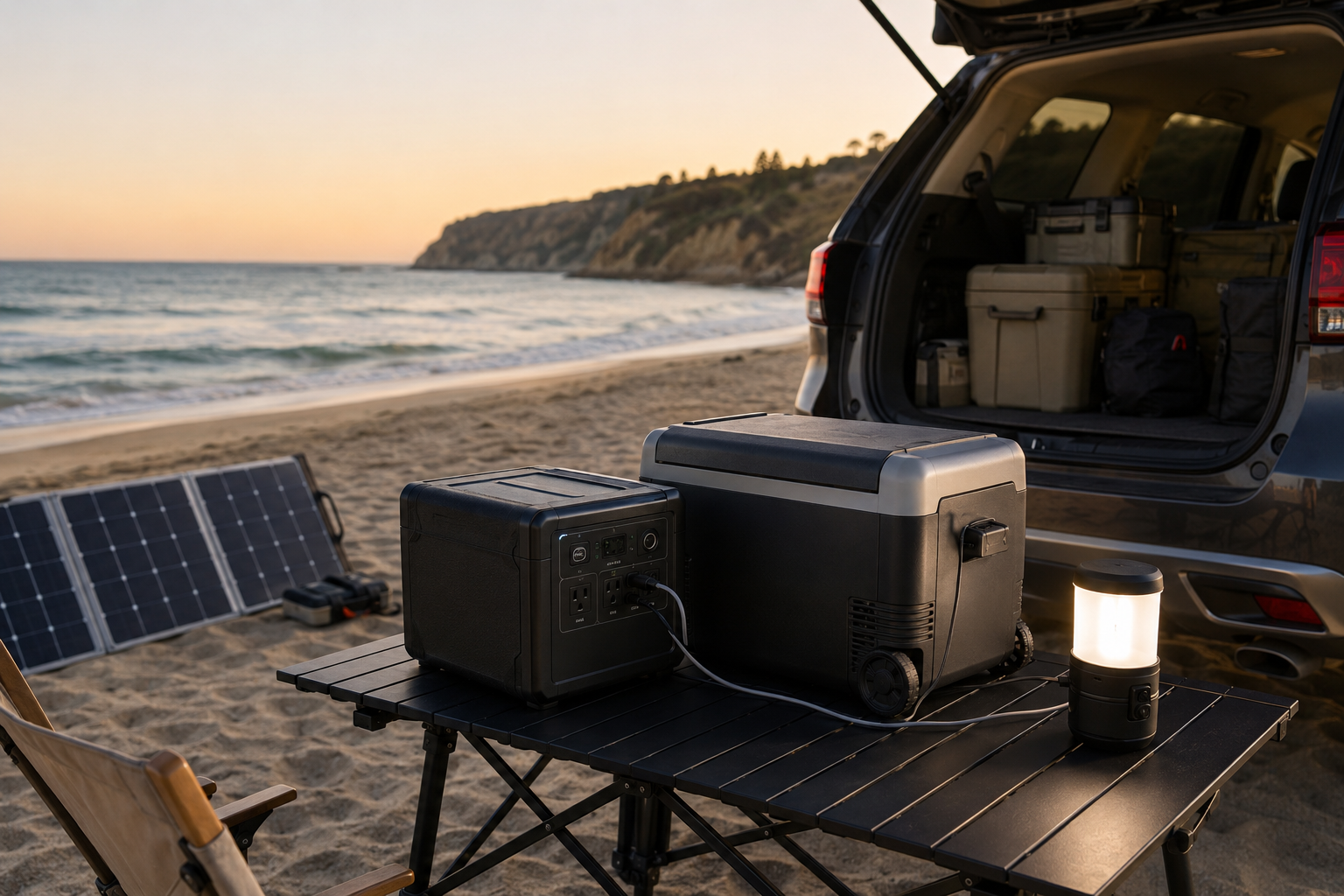
You may need a custom PLB40-style lithium battery pack if:
- Your device requires a specific 12V power system.
- A standard portable battery does not fit your housing.
- You need a different connector or output port.
- You want private-label packaging.
- Your product needs longer runtime.
- You need a rugged enclosure for outdoor use.
- Your application involves cold storage, field work, or industrial use.
- You plan to sell the product in batches.
- You need stable quality control and repeatable production.
A custom battery pack is more suitable when the battery is part of the product’s performance and user experience.
FAQ About PLB40 Lithium Battery Pack
1. What is a PLB40 lithium battery pack?
A PLB40 lithium battery pack is a portable lithium battery system commonly used for 12V devices, outdoor coolers, camping equipment, field tools, and mobile power applications. It is often searched by users who need replacement, backup, or OEM-compatible portable power solutions.
2. Is a PLB40 lithium battery pack the same as a power bank?
No. A PLB40-style battery pack is usually larger and designed for 12V appliances or outdoor equipment. A normal consumer power bank is mainly designed for phones, tablets, and small USB devices.
3. What does 40Ah mean?
40Ah means the battery can theoretically deliver 40 amps for one hour or lower current for a longer period under ideal conditions. Actual runtime depends on voltage, load, temperature, battery condition, and device efficiency.
4. Why should I compare Wh instead of only Ah?
Wh measures total energy and gives a clearer comparison across different voltage platforms. Ah can be misleading when two batteries have different voltages.
5. Can a PLB40 lithium battery pack power a portable cooler?
Yes, PLB40-style battery packs are commonly used for portable coolers and 12V fridge/freezer systems. Buyers should check output voltage, current, connector, runtime, and startup current requirements before use.
6. Can I customize a PLB40-style lithium battery pack?
Yes. OEM buyers can customize voltage, capacity, BMS, output ports, charging interface, housing, connector, label, and packaging. Technical requirements should be confirmed before sample development.
7. What chemistry is suitable for portable lithium battery packs?
LiFePO4 is often used for portable power applications because it offers stable discharge performance, long cycle life, and good thermal stability. The final chemistry choice depends on the application and design requirements.
8. What should I check before replacing a PLB40 battery pack?
Check voltage, capacity, Wh rating, output current, charger compatibility, connector type, BMS protection, size, weight, and real device load. Do not choose a replacement only by appearance.
9. How does eDailyMag support portable battery pack projects?
eDailyMag supports custom lithium battery pack development, including battery design evaluation, cell selection, BMS design, sample development, testing, packaging, and logistics support for OEM buyers.
10. Where can I learn more about lithium battery pack solutions?
You can visit the eDailyMag blog for more lithium battery pack guides covering portable devices, professional equipment, industrial battery systems, and OEM battery customization.
Conclusion
A PLB40 lithium battery pack is a practical portable power solution for outdoor coolers, 12V appliances, camping devices, RV travel, field work, and OEM portable equipment. But buyers should not select a battery pack only by capacity or appearance.
The right battery solution should match the device’s voltage, current demand, charging method, connector, operating temperature, housing requirements, and safety standards. For OEM buyers, a custom PLB40-style lithium battery pack can provide better integration, stronger branding, and more suitable performance for target applications.
If you need a portable lithium battery pack for outdoor equipment, cold-chain devices, field instruments, or private-label power products, eDailyMag can help evaluate your voltage, capacity, BMS, connector, housing, sample, testing, and production requirements. You can also explore existing options on the Products page or learn more about project support through the Services page.