

What a 48V lithium battery pack needs to do in the field
A lithium battery pack in the 48V class is usually chosen for one reason: it has to deliver dependable DC power in a compact, enclosed format. For engineers and sourcing teams, that sounds simple until the details start stacking up. The enclosure has to protect the cells or modules, the cable exits have to be practical, the assembly has to fit the system voltage, and the whole unit has to survive handling, installation, and routine service without becoming a maintenance problem.
That is why a 48V battery pack is rarely evaluated on voltage alone. Buyers look at the housing, access points, wiring layout, thermal behavior, and how the pack will be used, whether that means backup power, telecom support, solar buffering, or industrial equipment. A custom lithium battery can look straightforward from the outside and still be very different internally, so the purchase decision should be based on the application, not just the shape of the cabinet.
What is visible in this kind of battery enclosure
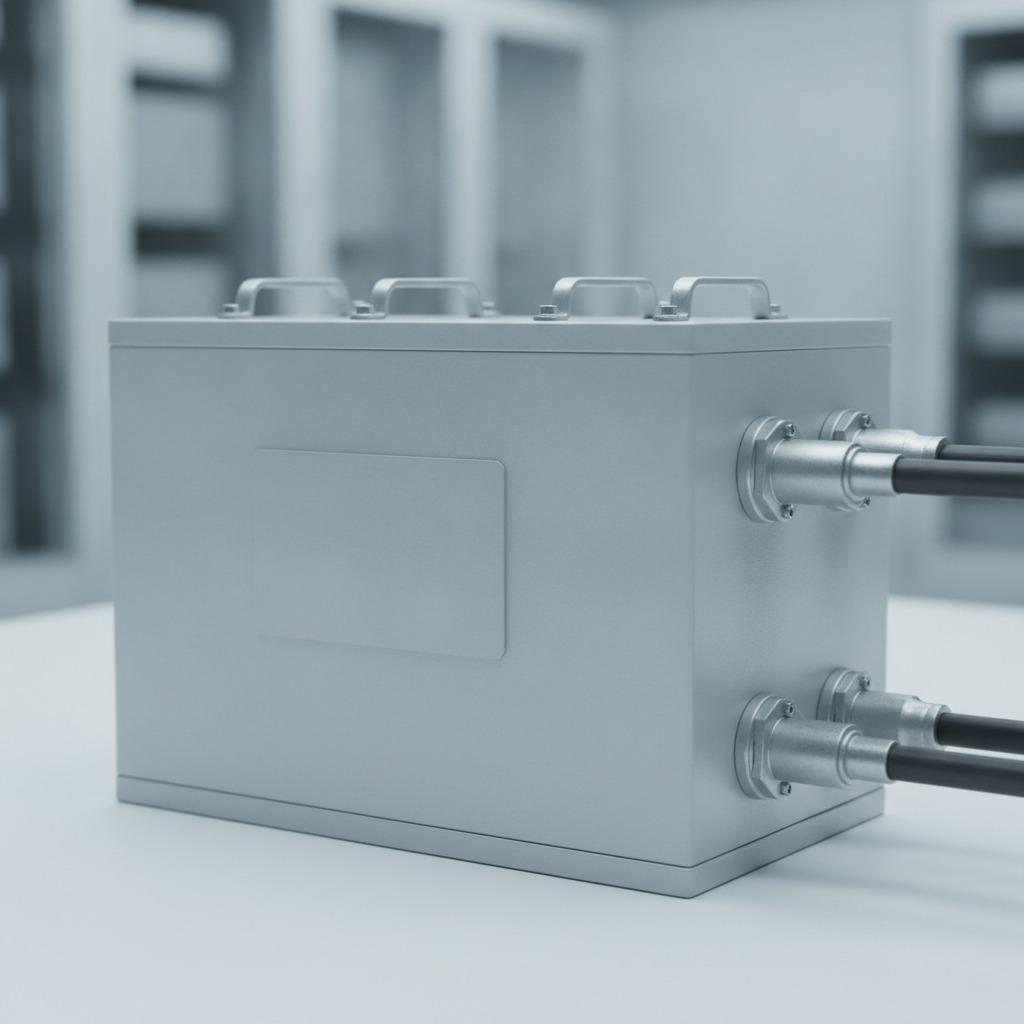
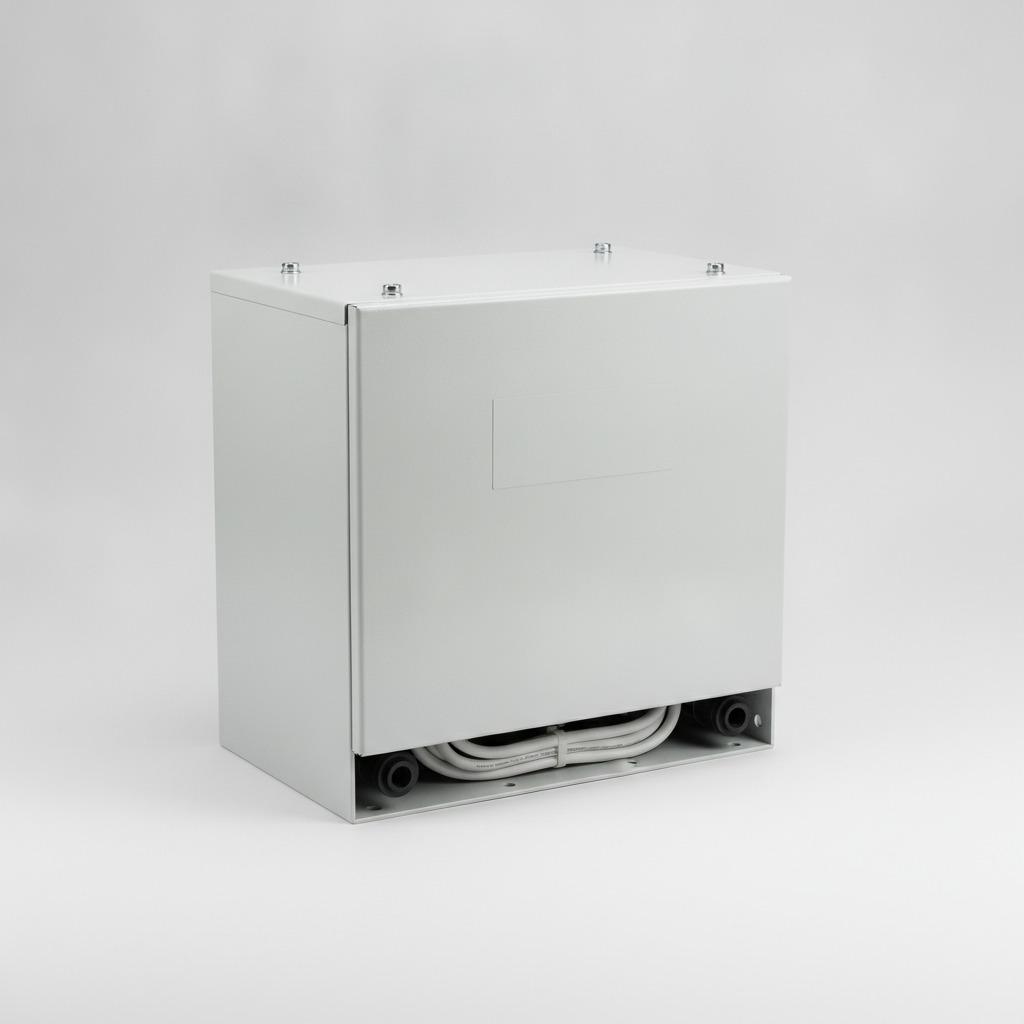
The unit shown here is a rectangular metal enclosure with a light painted finish and a compact, cabinet-like form. It has four recessed top access or handle points, heavy-duty cable exits, and a front identification label area. That combination suggests a finished battery pack module or power cabinet intended for installation rather than a loose internal battery assembly.
From a buyer’s perspective, those visible details matter. Recessed handles can make lifting safer. A rigid sheet-metal housing can provide physical protection during transport and operation. Bottom or rear cable entry, when done cleanly, can make system integration easier. None of that tells you the chemistry, capacity, or internal architecture, of course, but it does tell you the pack was designed as an industrial product, not a hobby build.
Why 48V remains a practical system voltage
In many industrial and energy-storage applications, 48V sits in a useful middle ground. It is high enough to reduce current compared with lower-voltage systems, which helps with cable size and loss management, but still familiar enough for a wide range of DC equipment, backup circuits, and auxiliary power uses. That is one reason the 48V format appears so often in telecom rooms, control cabinets, off-grid systems, and mobile equipment.
For sourcing teams, the appeal is also logistical. A 48V industrial lithium battery can often be packaged into a relatively compact enclosure and integrated into existing DC architectures without redesigning the whole power train. The caution, naturally, is that “48V” does not describe enough by itself. Two packs at the same nominal voltage may behave very differently under load, in charging, or across temperature swings.
Where the real specification work happens
When comparing battery pack options, the hardest part is often not the headline spec. It is the working spec. Readers should ask how the pack is intended to be installed, how service access is handled, what connectors are used, and whether the enclosure is designed for floor placement, rack use, or cabinet integration. If the product will live in a site with vibration, heat, dust, or frequent handling, those details quickly become more important than brochure language.
Another point worth slowing down on is internal chemistry. A low temperature lithium battery, for example, may be selected for cold environments where charging performance becomes a concern. But unless the product documentation confirms the chemistry and temperature behavior, do not assume suitability from the enclosure alone. A painted metal cabinet can protect the pack physically; it does not automatically tell you how the cells will perform in winter or in an unconditioned plant room.
Comparison points buyers should check before ordering
If you are evaluating a lithium battery pack for industrial use, compare these areas first: nominal voltage, usable capacity, enclosure format, cable orientation, maintenance access, and integration method. For a custom lithium battery project, also confirm whether the supplier is offering a full finished pack, a battery cabinet with internal modules, or an enclosure that still needs downstream electrical integration.
One common mistake is treating a battery cabinet as though it were a commodity box. In practice, the mechanical layout and electrical termination details can affect installation time more than expected. Another easy miss is assuming that visible connectors imply a complete system package. They may simply show the external interface, while the real constraints sit inside the housing.
Practical buyer advice for sourcing and engineering teams
Start with the use case. Backup power for a telecom rack does not ask the same thing from a battery pack as a mobile machine or renewable-energy buffer. Then work outward: environmental exposure, installation space, service frequency, cable routing, and compatibility with the rest of the DC system. If you are buying an industrial lithium battery for a critical application, ask for documentation that explains the pack architecture, not just the outer dimensions.
It also helps to review the enclosure like a machinist would. Are the access points easy to reach? Are the cable exits protected? Does the cabinet look suited to repeated handling? Those are not glamorous questions, but they are the ones that often separate a smooth deployment from a field headache.
Questions to resolve with the supplier
Before approval, ask for the exact voltage and capacity, internal chemistry, BMS features, charge and discharge limits, dimensions, weight, and any applicable test or compliance documentation that the supplier is actually prepared to provide. If any of that is unclear, it is better to pause than to assume the pack will behave like a similar unit from another project.
For teams comparing options across suppliers, this is the point where a clear drawing set and a simple interface checklist save time. It is not unusual for two battery packs to look nearly identical from the outside and still differ in serviceability, thermal design, or integration effort.
Next step
If you are sourcing a 48V battery pack for an industrial system, treat the enclosure, wiring layout, and serviceability as part of the product, not as packaging. Share the application details first, then ask the supplier to match the configuration to your operating environment. That approach usually leads to better-fit proposals and fewer surprises after installation.