

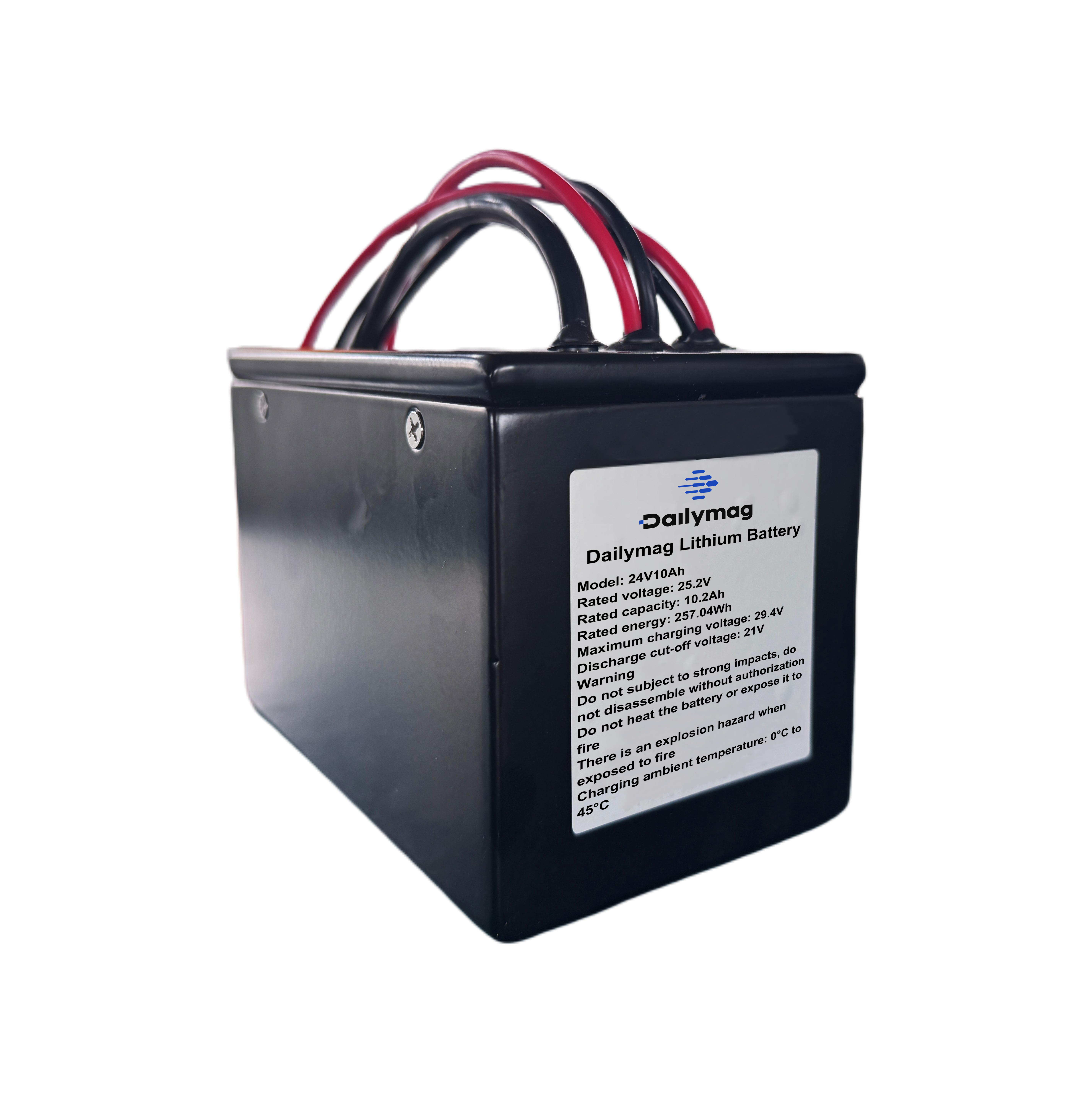
12V Lithium Battery Pack Design for OEM Systems Under Real Operating Stress
In OEM systems, 12V power architectures are often assumed to be mature and low-risk. However, field data tells a different story. Many system failures are traced not to insufficient capacity, but to voltage instability during transient loads, accelerated cell aging, or inconsistent behavior between units. A 12v lithium battery pack must therefore be evaluated as an active subsystem rather than a passive energy source. Its electrical response, internal structure, and thermal behavior directly affect system uptime, maintenance cost, and long-term reliability.
Cell Configuration, Matching Strategy, and Mechanical Integrity
At the core of any 12v lithium battery pack is the way individual cells are arranged, matched, and mechanically secured. While a nominal 12V output is typically achieved through series-connected cells, real performance depends heavily on how closely those cells behave under load and over time.
From an engineering standpoint, three structural factors are critical:
-
Cell matching tolerance: Cells with closely aligned internal resistance and capacity reduce imbalance during partial discharge cycles.
-
Mechanical fixation: Rigid internal frames prevent micro-movement that can increase contact resistance under vibration.
-
Thermal spacing: Controlled gaps between cells help prevent localized heat buildup that accelerates degradation.
Poor execution in any of these areas often results in one cell group becoming the performance bottleneck, even when overall capacity appears sufficient.
Electrical Output Stability and BMS Logic Alignment
Although many systems specify a 12V input, actual operating voltage windows are often narrow. Control boards, sensors, and communication modules may respond poorly to short voltage dips, even if average voltage remains within specification. A properly engineered 12v lithium battery pack prioritizes voltage stability across dynamic load conditions, not just peak output.
Effective electrical coordination includes:
-
Current limits aligned with startup and surge loads, allowing brief peaks without triggering protection
-
Over-discharge thresholds tuned to system behavior, not generic consumer profiles
-
Active balancing strategies that slow divergence during repeated partial cycles
-
Communication or diagnostic interfaces that support system-level monitoring
When BMS logic is mismatched to real operating profiles, systems may experience random resets, premature shutdowns, or reduced usable capacity.
Thermal Behavior and Its Impact on Lifecycle Performance
Thermal stress is one of the most underestimated factors in 12V systems. Unlike continuous-duty applications, many OEM devices operate intermittently—short bursts of high current followed by idle periods. These patterns create thermal cycling rather than steady-state heating.
Key thermal considerations include:
-
Heat dissipation paths from internal cell groups to the enclosure
-
Avoidance of hotspots near terminals and high-current traces
-
Material selection for internal supports to balance insulation and conduction
Even modest temperature differences between cell groups can compound over hundreds of cycles, shortening service life and increasing pack-to-pack variability.
Detailed Performance Comparison Under OEM Conditions
The table below expands on practical performance differences observed in real OEM environments, beyond high-level marketing claims.
| Parameter | Optimized 12V Lithium Battery Pack | Conventional 12V Lead-Acid / Generic Pack |
|---|---|---|
| Nominal voltage range | 12.8–13.2 V | 11.5–12.6 V |
| Voltage drop at 1C load | <5% | 10–18% |
| Typical cycle life (80% DoD) | 800–1200 cycles | 300–500 cycles |
| Weight per usable Wh | Low | High |
| Partial discharge tolerance | High | Limited |
| Recovery after deep discharge | Controlled | Inconsistent |
| Maintenance requirement | Minimal | Periodic |
| Unit-to-unit consistency | High | Variable |
These metrics directly affect system stability, maintenance planning, and total cost of ownership.
Product-Level Design Decisions That Reduce Field Risk
From a product perspective, reliability is achieved by designing for how the battery will actually be used, not how it performs under ideal laboratory conditions. OEM projects often involve irregular discharge patterns, environmental exposure, and long idle periods.
Practical risk-reduction measures include:
-
Selecting cells with predictable internal resistance growth curves
-
Designing BMS logic around real duty cycles rather than full-depth discharge
-
Allowing mechanical tolerance for enclosure expansion and vibration
-
Validating packs under simulated worst-case but realistic scenarios
These decisions typically represent a small fraction of total system cost while delivering disproportionate reliability gains.
Typical Application Scenarios and Usage Scope
A 12v lithium battery pack is widely adopted in systems where stable low-voltage power and predictable behavior are required. Common application scenarios include:
-
Portable industrial instruments with frequent on-off cycles
-
Monitoring and communication devices deployed in remote locations
-
Mobile electronic systems exposed to vibration and temperature variation
-
Backup power modules supporting control logic and sensing equipment
In these use cases, consistency and lifecycle stability are often more valuable than maximum advertised capacity.
FAQs
1. How is consistency maintained across production batches?
Consistency is achieved through controlled cell sourcing, strict matching criteria, and standardized assembly and validation procedures applied across all production runs.
2. Can the battery pack be customized for enclosure, connectors, or wiring?
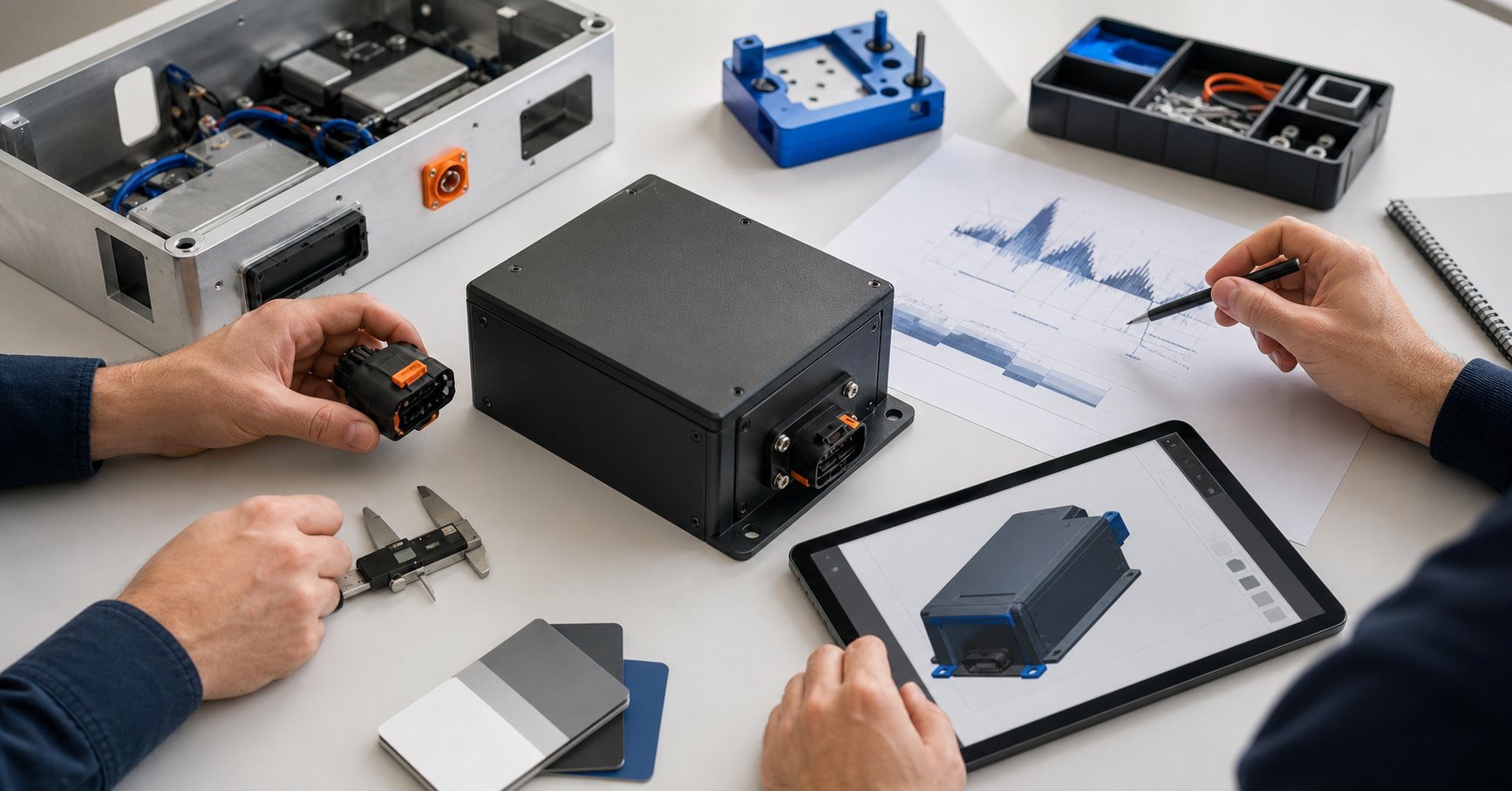
Yes. Mechanical dimensions, connector types, cable routing, and communication options can be adapted to meet specific OEM integration requirements.
3. What most commonly limits service life in 12V lithium systems?
Uneven cell aging caused by poor matching, insufficient thermal control, and improperly tuned BMS thresholds are the primary limiting factors.
Building Reliable 12V Battery Solutions With the Right Partner
Beyond technical specifications, long-term performance depends on manufacturing consistency and engineering collaboration. eDailyMag focuses on delivering lithium battery solutions designed for stable output, predictable lifecycle behavior, and smooth system integration. Our product development emphasizes real operating conditions rather than theoretical ratings.
To explore our full range of battery solutions and technical capabilities, visit our homepage:
https://www.edailymag.com/
If you are evaluating a specific OEM project or need technical input during system design, you can contact our engineering team directly here:
https://www.edailymag.com/contact-us